

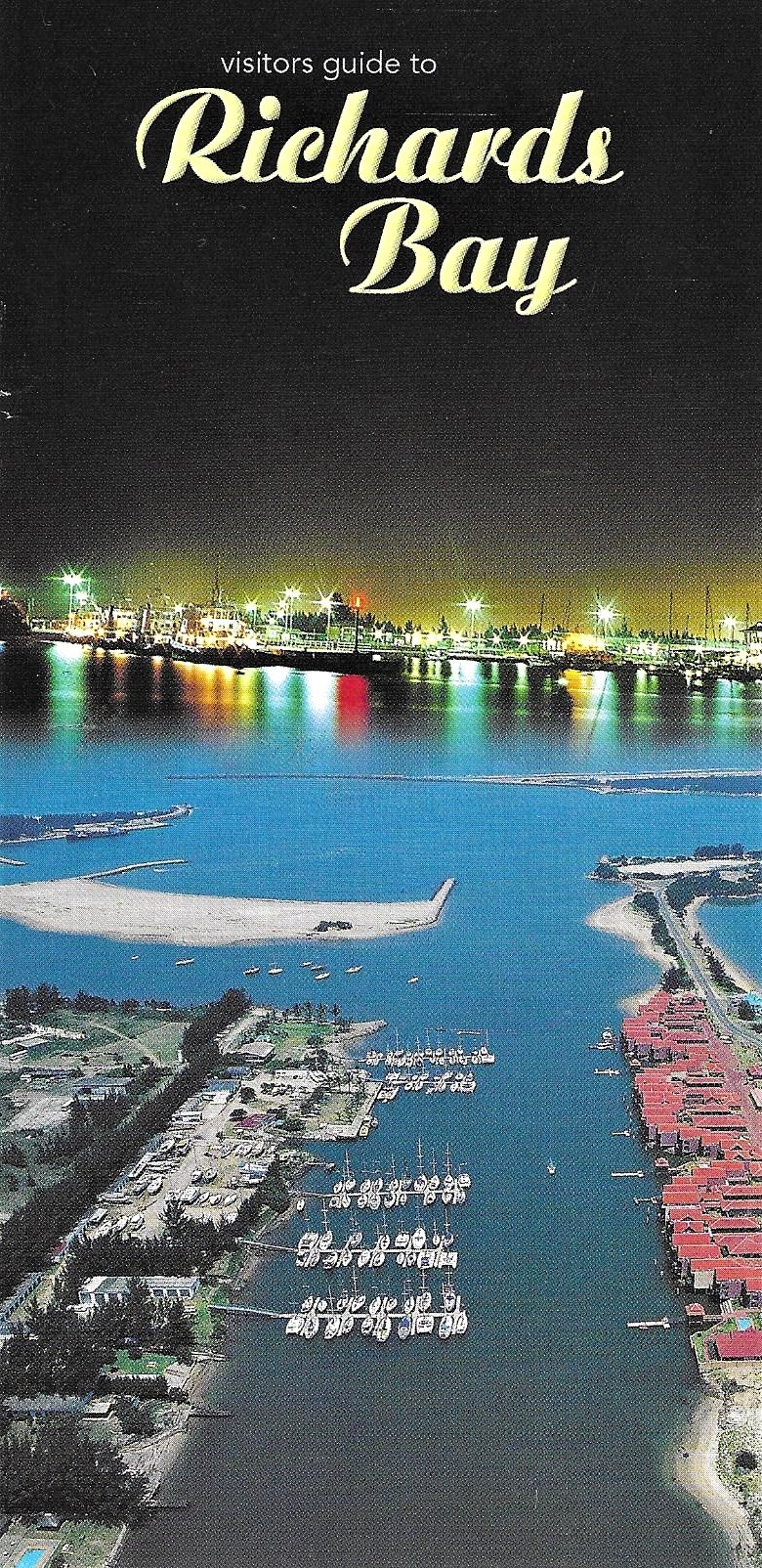
Richard’s Bay welcomed White Dove to S. Africa during their worst storm in 16 years. I will only say at this point, “We made it!”
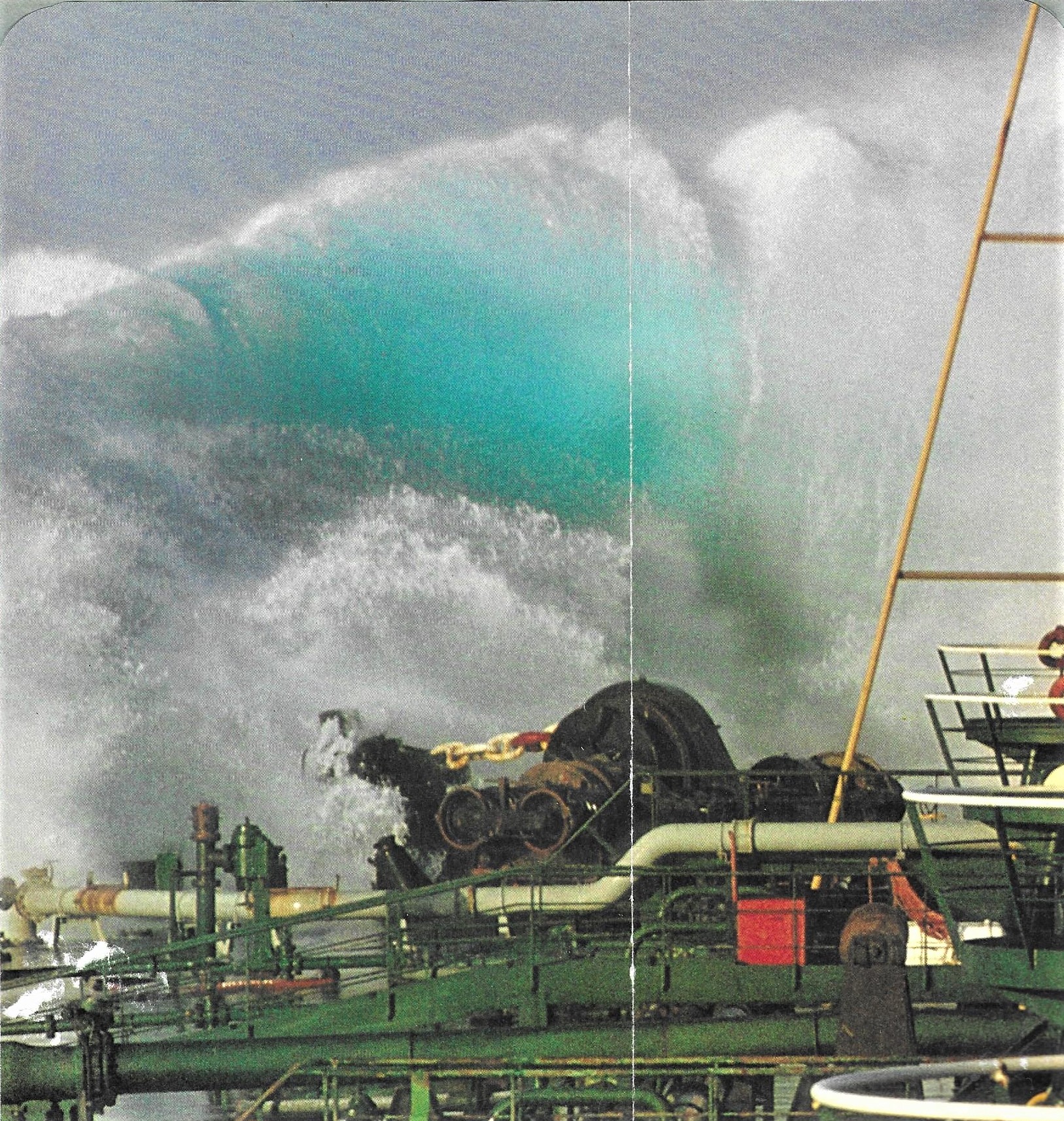
Sailors consider this crossing to be one of the most dangerous in the world. Its 5.8mph warm current runs south along the country’s eastern coast. When strong winds oppose the Agulhas current, it can produce monstrous, boat-breaking swells, like the picture shown above. We’re talking up to 50-feet! Getting updated weather reports is a necessity. We kept a ham radio schedule twice a day with friends on Appledore and checked in on the S. African net with Tony and Allister for changing conditions and the progress of other cruisers. It gave a teensy bit of security amid these turbulent seas.
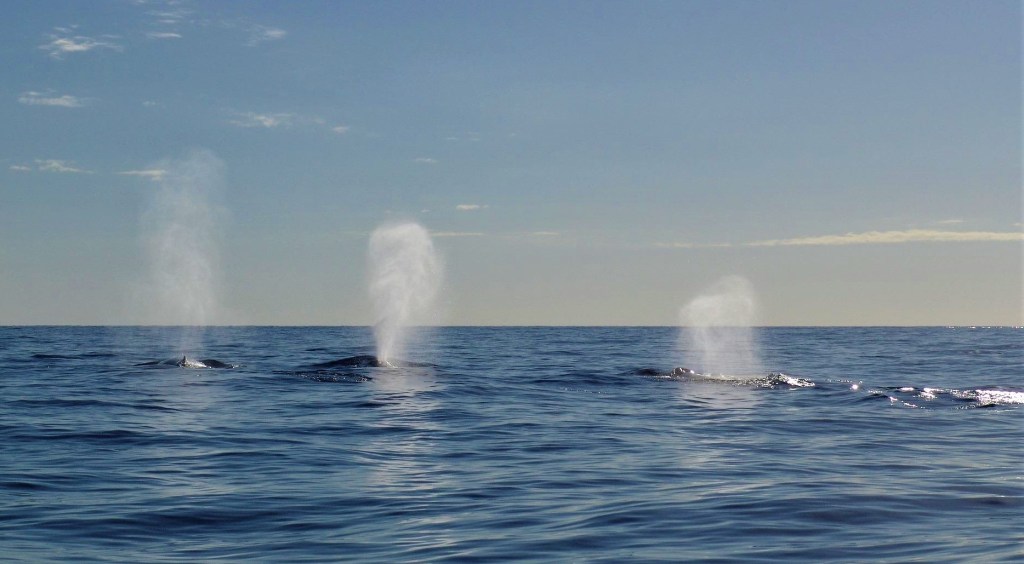
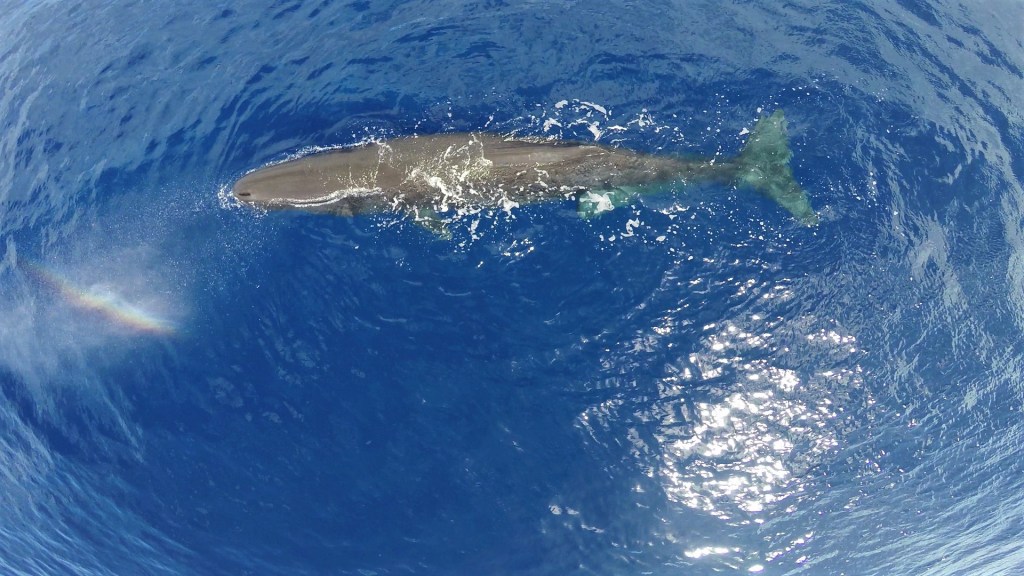
The first 5 days out from Reunion we made excellent progress under mostly clear skies, 10-20 knot breezes, and 1-2 meter seas. Our third day, east of Madagascar, was extraordinary. Relaxing beneath light-wind sails, we first spotted eight 20-ft black false killer whales spouting and feeding. A short time later we came within 40 feet of a pod of dark blue-gray sperm whales. Lined up and floating on the surface, just chilling. Perhaps napping after lunch? For the remainder of the afternoon we kept a close eye out, not wanting to disturb these magnificent creatures. Lots of spouting in the distance, but no more close encounters.
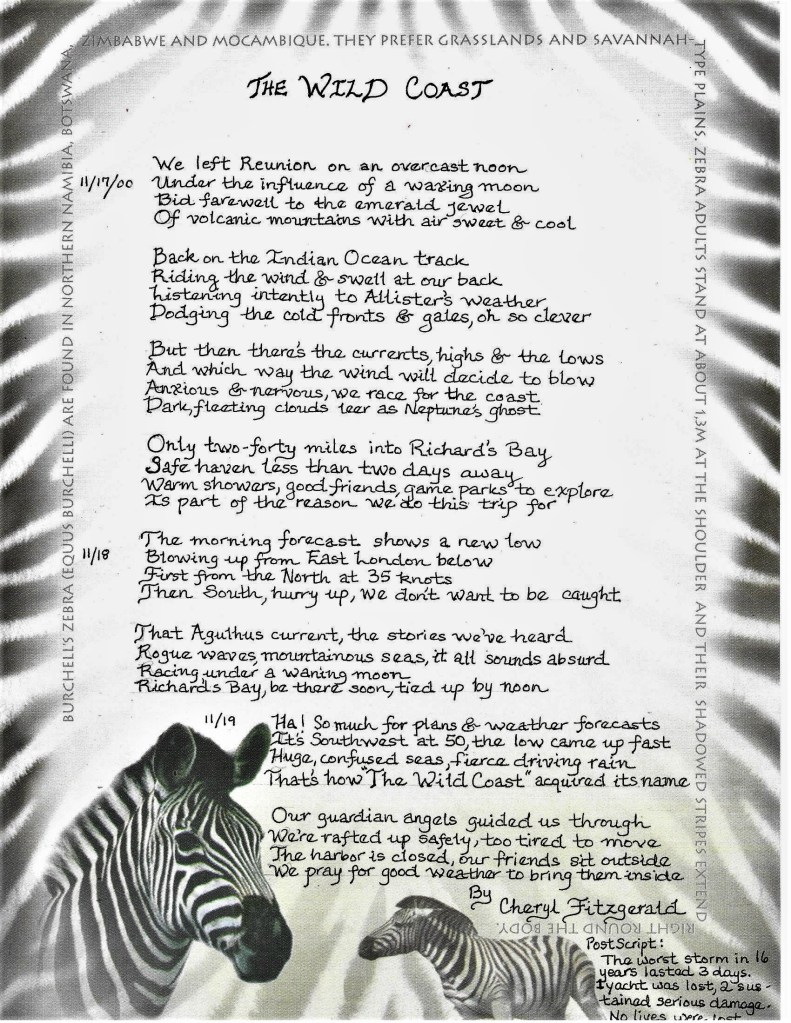
The second half of our voyage proved less than idyllic. Winds continually shifted in speed and direction. One night our spinnaker pole came crashing down. Thankfully not on anyone’s head. However, it was out of commission, along with our lapper that ripped along a seam. Other yachts experienced similar incidents due to uncomfortable 3-4-meter swells on our beams and running with too much sail. Squalls became our constant companion. Reports sounded hopeful that a developing low would stay well south of our destination. The southerly winds were light as we approached the 50-mile wide Agulhas current. The world’s second swiftest , it can interact with low pressure over land, intensifying and spawning secondary lows.
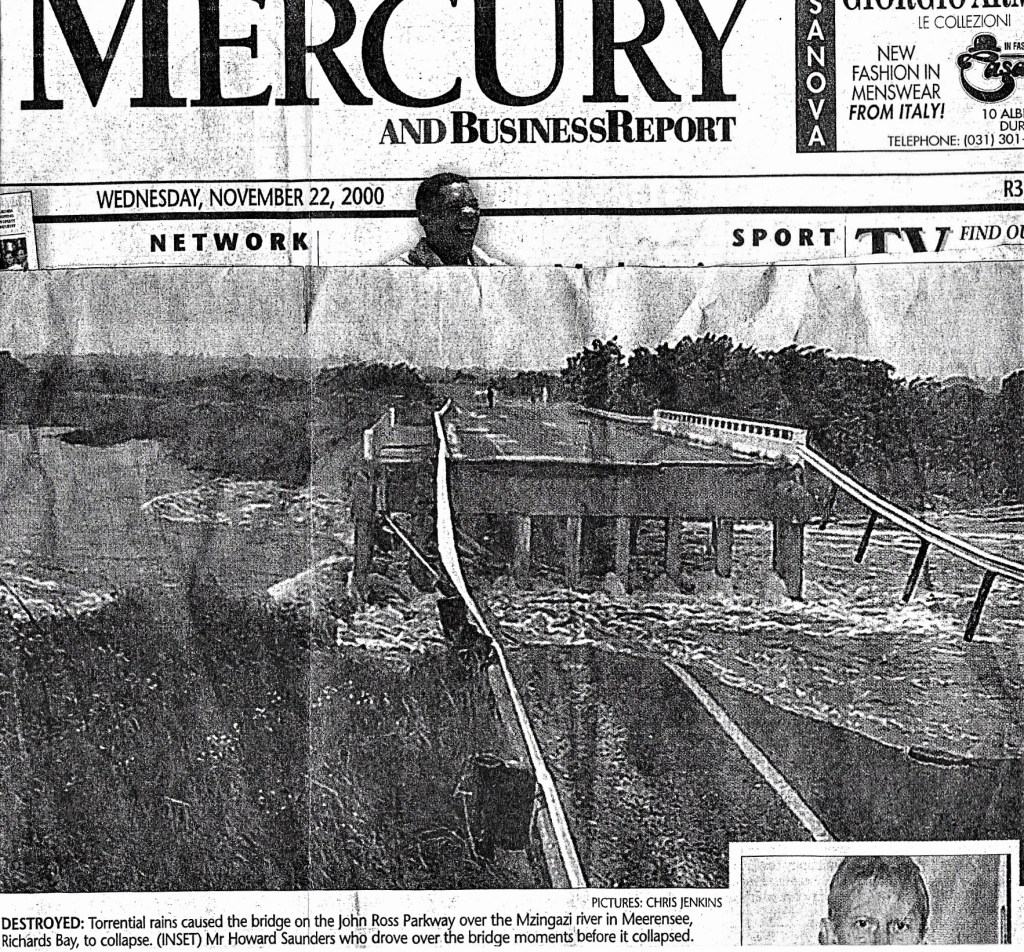
And that’s what occurred during our final 24 hours. Two lows collided! Gale force winds, gusting to 60mph, created huge confused seas with frothy volcanic peaks. During our two years of travel, I’d never seen the ocean look like that. Torrential rain severely reduced visibility.
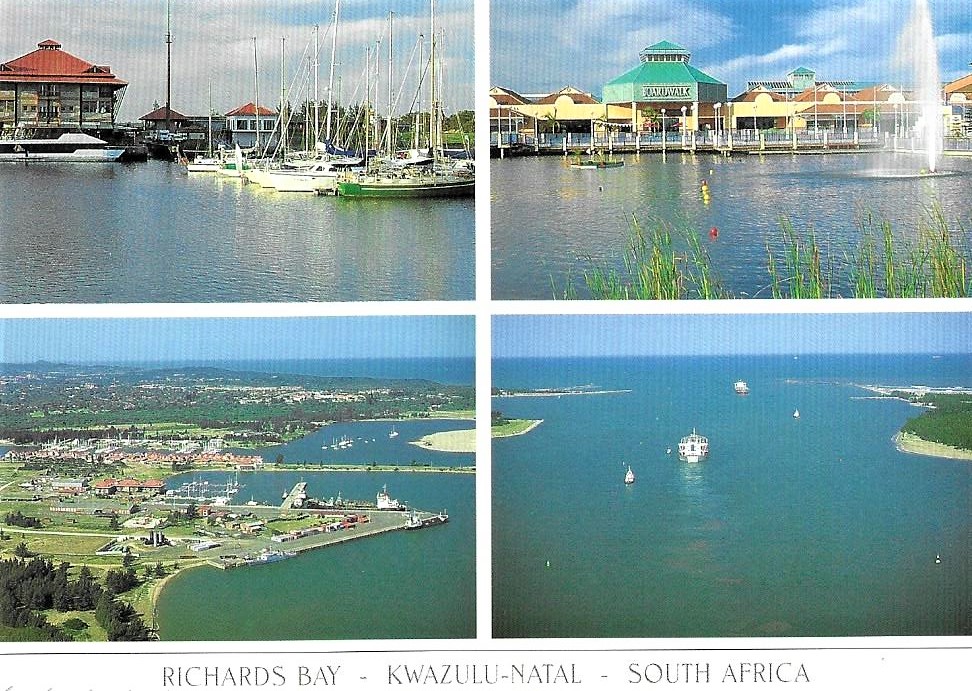
Believe me, it looked nothing like the pictures above as we crept toward the breakwater entrance. I continuously plotted our position while Jerry steered, ready to turn around if conditions worsened. No breaking surf—so we glided between buoys and entered the harbor. Breathing great sighs of relief, we navigated to the small-craft basin where friends helped us tie to the dock.
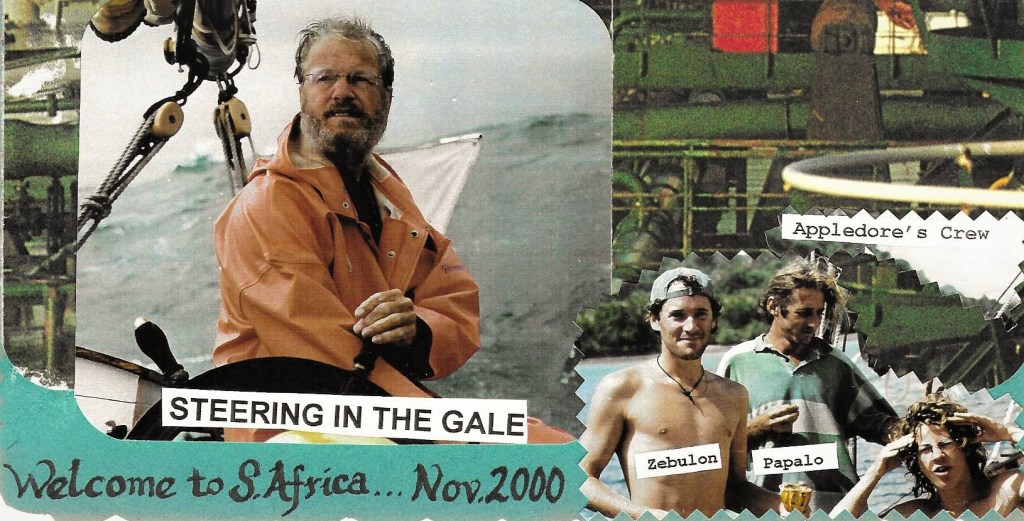
We were the last boat to squeak in safely before the Port Captain closed the port! For 3 days several cruising friends plus large commercial vessels had to anchor or heave-to in dangerous conditions. A couple of boats sank, but no lives were lost. Praise the Lord!
A week after the near-cyclone we celebrated a late Thanksgiving with Charlie, his wife Heather, their crew, and other cruising friends. We gave thanks for gathering in a safe harbor and the miracle of no injuries or major boat damage. After a few days of R&R and some provisioning, we’d be ready to explore. Anyone up for a safari?
 cheryldfitzgerald.com