Without A Rudder

God brings men into deep waters, not to drown them, but to cleanse them—James Aughey

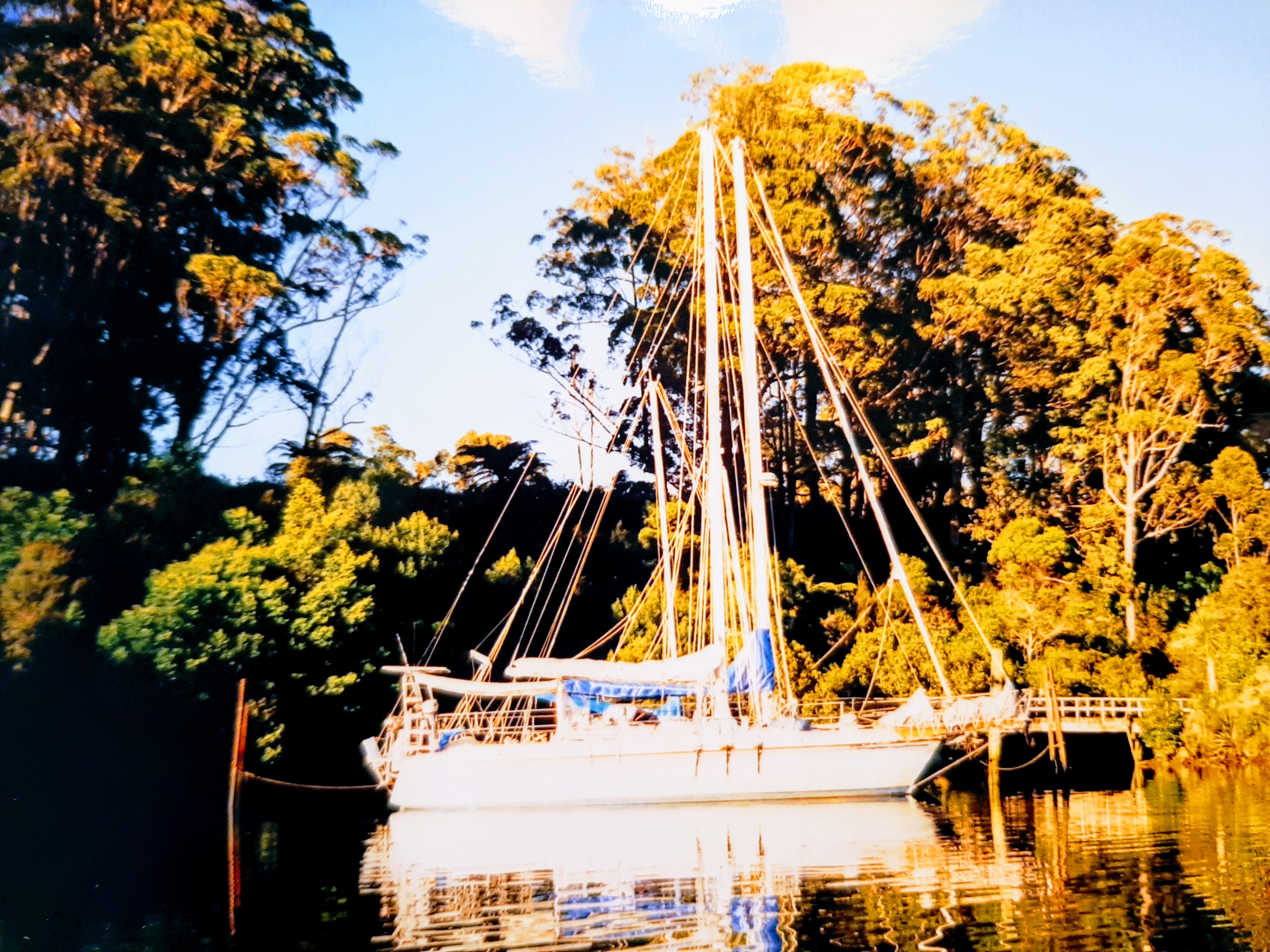
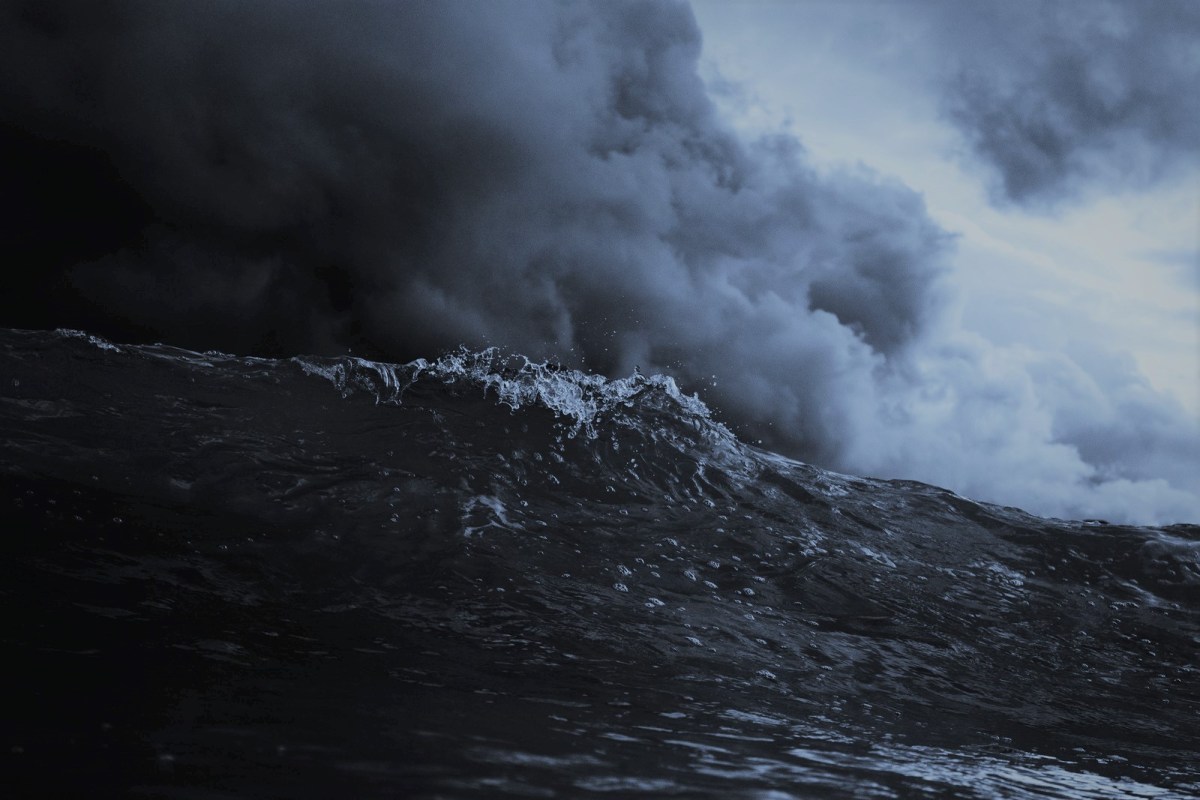
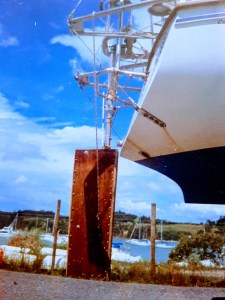
Off watch in the aft cabin of White Dove, I awoke abruptly to footsteps overhead, snapping sails, and lines flogging. The sailboat heeled sharply to starboard as I struggled to sit up. My watch read 0030. I’d only slept for 45 minutes. Grrr…I yelled to my husband on deck, “What on earth is going on out there?” No response. Reluctantly I climbed off the cozy bunk and peered out the companionway. Jerry lunged across the cockpit, slicing the top of his hand open. Blood mixed with rain as he plopped down. “Don’t know what’s wrong, but can’t get the boat to steer.” He pulled the tiller toward him, then away. “There’s nothing there!” We gazed at each other, bewildered. It didn’t make sense. We had replaced the wheel with a tiller so there would be no cable to break and had replaced our spade rudder with a new one just 18 months ago. Jerry shone the flashlight on the tiller head and upper rudder post it connected to. All looked normal. Using a boat-hook, he felt around beneath the stern. There was only empty space where the rudder should have been. How had it sheared off? It was time to pray.

Our crossing to New Zealand from the Ha’apai Group in Tonga had begun on October 27, 1999. The first 3 days were wet and rolling with 25-35 knot winds and 9-foot swells crashing onto the beam. After listening to daily weather reports, we chose to stop at North Minerva Reef to wait out the low that was expected to hit NZ’s North Island on November 3rd. The 2-3 foot high coral ring with narrow opening was a mid-ocean oasis. It was surreal, cocooned in the calm bay while wind howled and waves pounded the exterior reef. Yachts that had continued on experienced 30-50 knot winds with 15-foot seas. No thank you!

Minerva Reef—Lobster hunting with friends

On November 4th, with a good weather window predicted, we resumed passage in company with friends, John and Aleta aboard Holding Pattern. Pleasant sailing winds ranged from 10-20 knots from the NE-ENE. Within 4 days we were 50 miles ahead of HP, averaging a speed of 6 knots, and due to arrive in Opua, Bay of Islands, before dark the next evening—one day ahead of the next forcasted low. Right on target until now. Just after midnight we suddenly faced an enormous problem. We sprang into action, adjusting sails until until the boat was heaved to. This slowed the violent lurching so we could go below and use the VHF to notify vessels in the immediate area to be on guard for us. Next, calling Taupo Radio on the ham radio, we reported our status. After changing into warm clothes and bandaging Jerry’s hand, we fortified ourselves with hot chocolate and formulated a plan while awaiting dawn.

At first light we dragged out 400-feet of anchor rope and deployed it off the stern as a warp to help with steerage, but with negligible results. Jerry took down the spinnaker pole and tightly lashed 2 opposing 12-inch by 20-inch sheets of plywood to the end of it with a spare halyard. With special hardware he secured it to the frame of our Monitor steering vane. All of this took hours and drained energy, especially wrestling the pole out over the stern. Its success was temporary as the fitting eventually twisted loose from the windvane frame. As the boat pitched violently about, we used remaining strength to haul the now water-filled pole back aboard. Thoroughly exhausted, we agreed it was time to stabilize WD, and deployed our 8-foot-diameter ParaTech sea anchor.

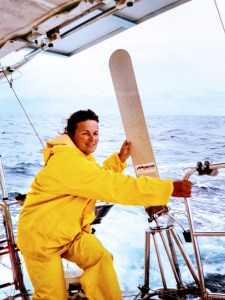
Our masthead strobe light flashed its warning as we slept fitfully through a falling barometer and deteriorating weather. In the early hours of November 10th Jerry and I gathered tools and materials after consulting with John from HP by radio. Amidst intermittent showers and Force 8 (35 knot) winds, we built an emergency rudder to bolt onto the servo oar of the Monitor. The dinette table was converted into a workbench. As the sawdust flew, our spirits rose. For the final shaping with the belt sander , I suggested that Jerry take the paddle into the cockpit. Poor guy had to straddle it like a bucking bronco, wearing a snorkeling mask to keep rain and sawdust out of his eyes. What a sight!

As I attempted to clean up the mess below, my husband got us underway with our new rudder. With a great sigh of relief we found it working properly and set a new course for NZ, experimenting with different sail and motor combinations until steering was balanced. We resecured the spinnaker pole (with paddle) halfway off the stern to help prevent rounding up. Steering required manually holding the Monitor’s vane as a sort of vertical tiller.

A stiff breeze blew from the NW allowing us to average 4-5 knots combined with motoring. In the pre-dawn of November 12th, the engine stopped abruptly with a terrifying bang. A loose line had wrapped around the prop. Proceeding under headsail alone made keeping our course more difficult. Westerly winds increased to 30 knots causing confused seas, making it impossible to dive on the prop to untangle the sheet. Des, from Russell Radio, suggested trying to unwind the mess from inside; I used a pipe wrench to turn the propeller shaft in reverse while Jerry laboriously cranked in the line on a winch. Thankfully, it worked and we were back in business, motor-sailing into near-gale conditions.

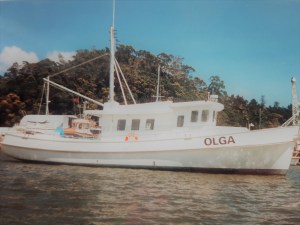
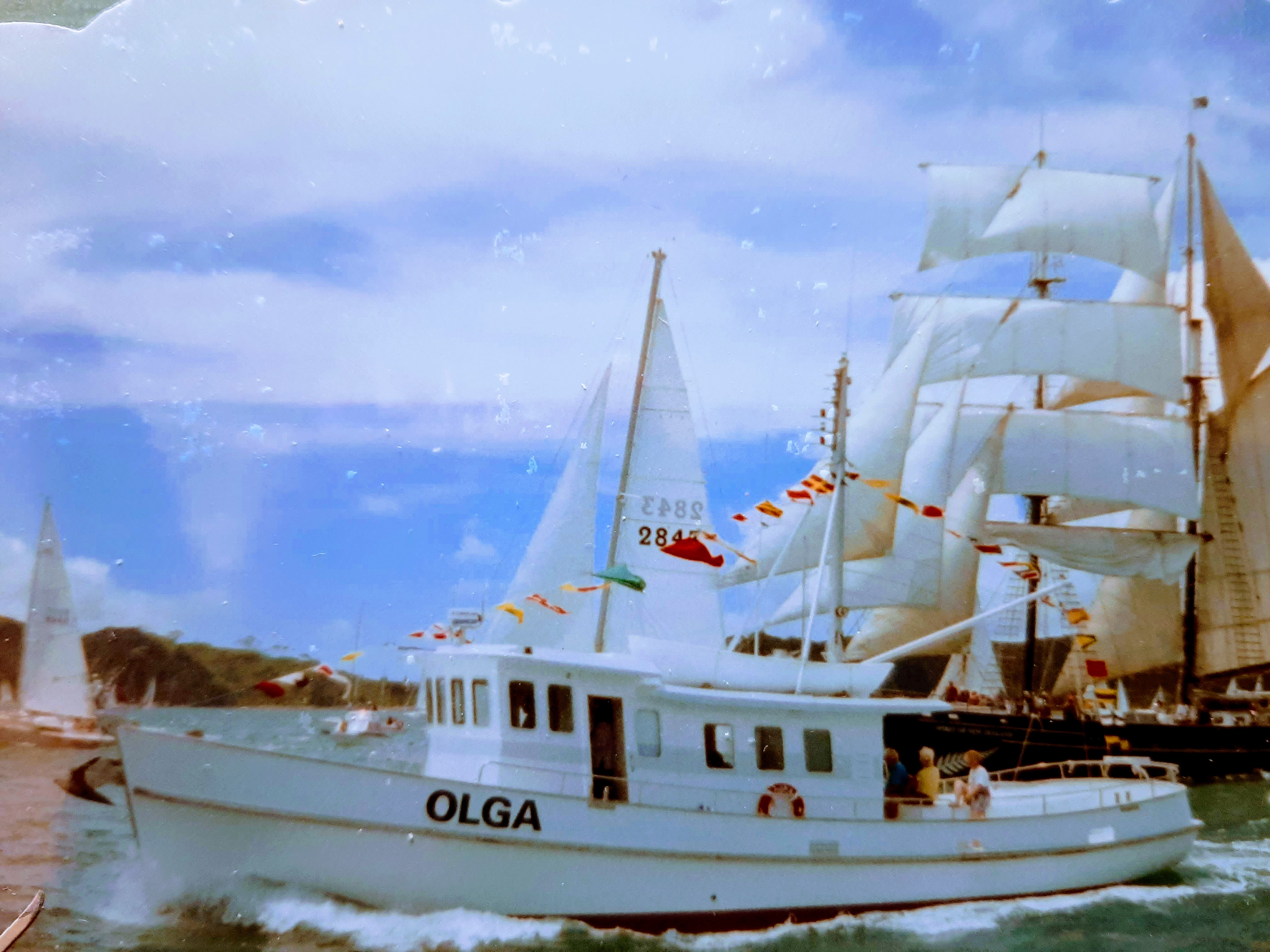
HP had reached Opua and John organized a meeting of locals and cruisers at the Boathouse to determine how best to help us. Jim Ashby, a local boatyard owner, volunteered to to take his trawler, Olga, out to tow us in. There was a tremendous show of hands for volunteers to assist as crew. By afternoon, cold, exhausted, and discouraged at not being able to tack into the Bay of Islands, only 18 miles away, we beheld a beautiful vision appear on the crest of a swell. It was Olga and her crew plowing through rough seas straight for us. As she circled us her stern rose violently out of the water, the 3-foot prop shaft exposed. It took several attempts to bring the towline on board and secure it. Jerry then spent 30 minutes at the head of our 6-foot bowsprit, crashing through green water as he lashed towels around the line to prevent chafe.

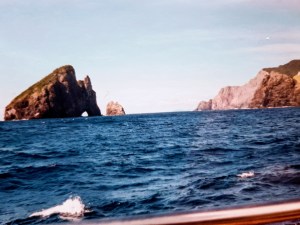
Released at last from the chore of steering, we relaxed and left the driving to Olga. We stumbled down the companionway steps, ate a quick meal, and passed out, oblivious to the jolting ride. Awaking at dusk, we poked our heads out the door. Land! Cape Brett lay to port. What a beautiful sight. At 2330 on November 12th, we picked up a mooring in the calm bay off Opua. God had led us to safety. We thanked Him and all those involved in our rescue. Then headed toward a long, deep sleep for the first time in four nights. We wouldn’t think about building a new rudder for a few days—one we could trust.

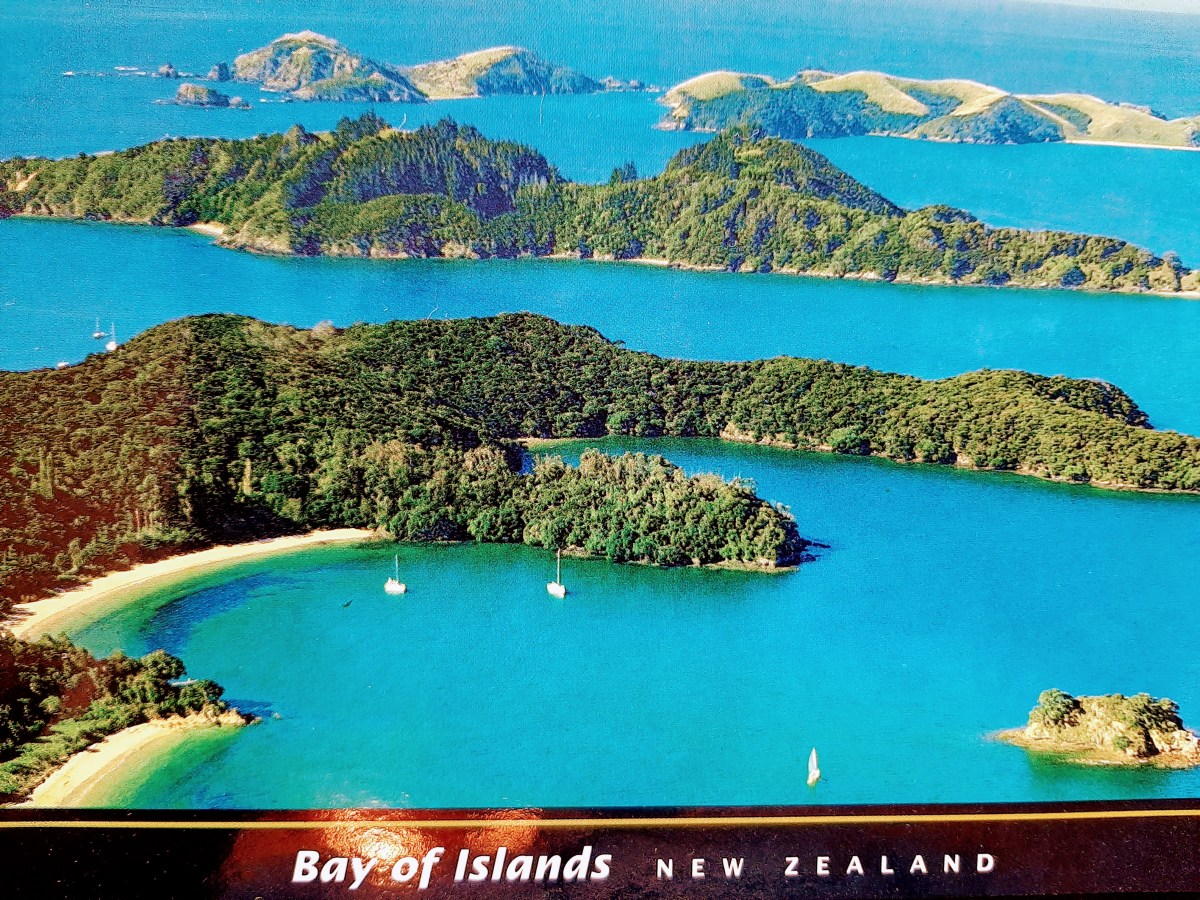
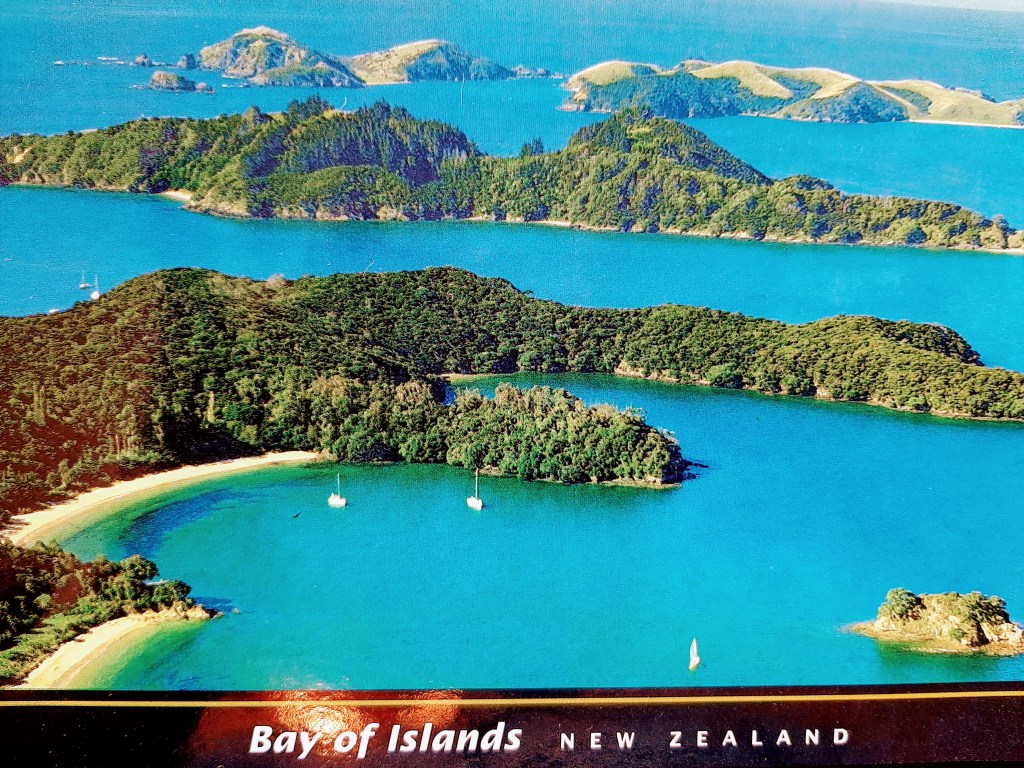
Opua, Bay of Islands

God brought us to this safe harbor, and through this and every storm that has and will come our way. He provides endurance, courage, and refuge for our country and the rest of the world during the current pandemic. And He will guide us to find the good in the midst of chaos, suffering, and trials.

New Zealand #1—Hearts of Gold

110 miles. That’s how far we were from Opua, our port of Entry to New Zealand, when the unthinkable happened. We lost our rudder. Solving that dilemma is another story which I’ll share on my next blog—”Rudderless in the S. Pacific.”

The next four days were an exhausting blur. With Jerry’s ingenuity he jury-rigged our self-steering windvane to act as a temporary boat rudder . We slowly resumed our voyage beating through 30+knot winds and confused 9-foot seas. Our introduction to Kiwi hospitality began via ham radio contact with Russell Radio. Every 2-4 hours the calm, uplifting voice of Des offered advice and encouragement plus connected us to other yachties and updated weather reports.

Unable to hold our course as we neared the Bay of Islands, friends and locals convened at The Boathouse, a referral center for NZ boaters and visiting cruisers. Everyone donated time and money, creating a rescue plan to tow White Dove the final 18-miles. Jim Ashbey, a local boatyard owner, volunteered Olga, his newly built 60+foot trawler. All he requested for the 12-hour trip in deteriorating conditions was a few deckhands and money for fuel. Thanks to our cruising brothers and many strangers whom shared the bond of boating, we reached our destination.

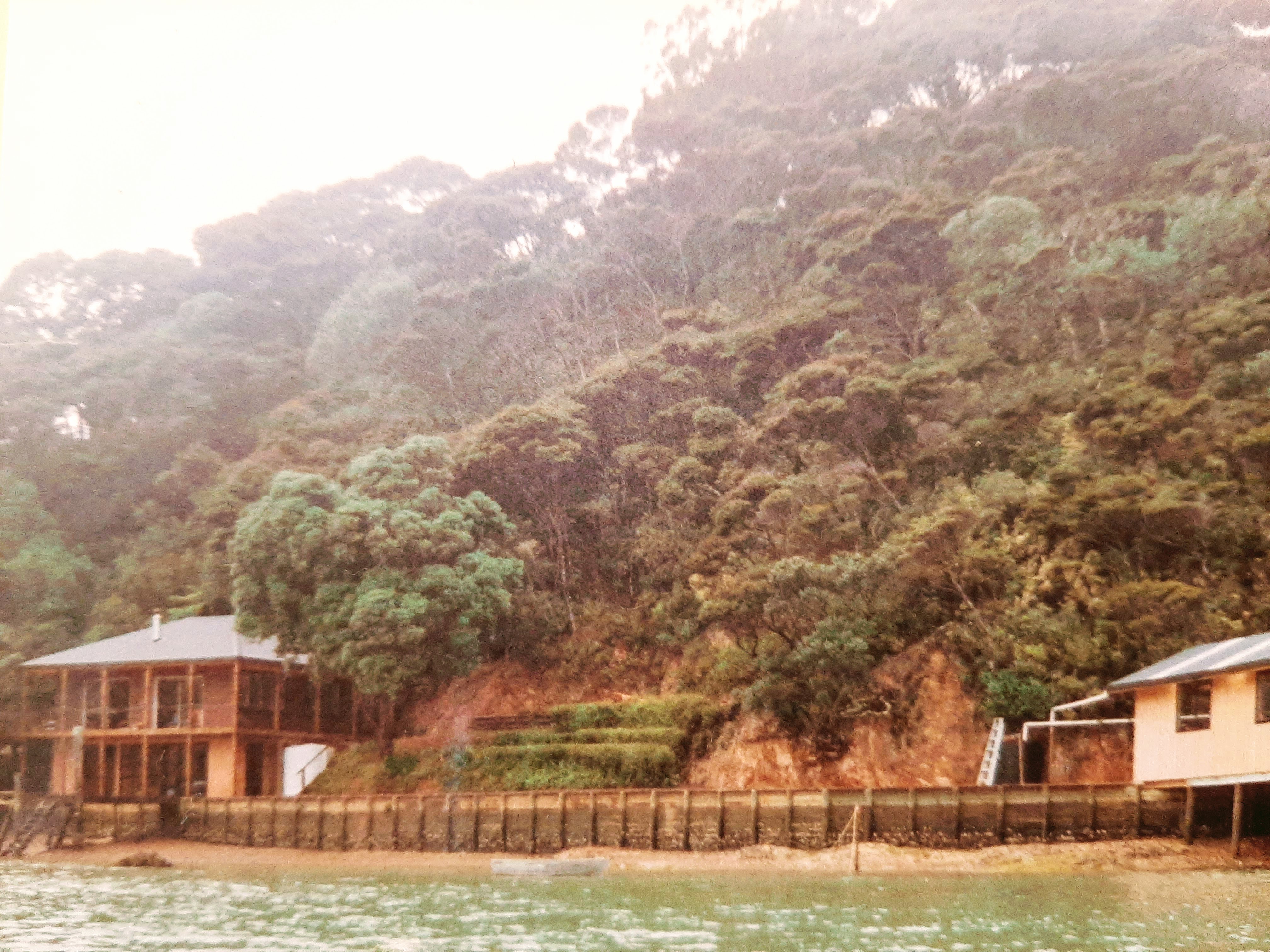
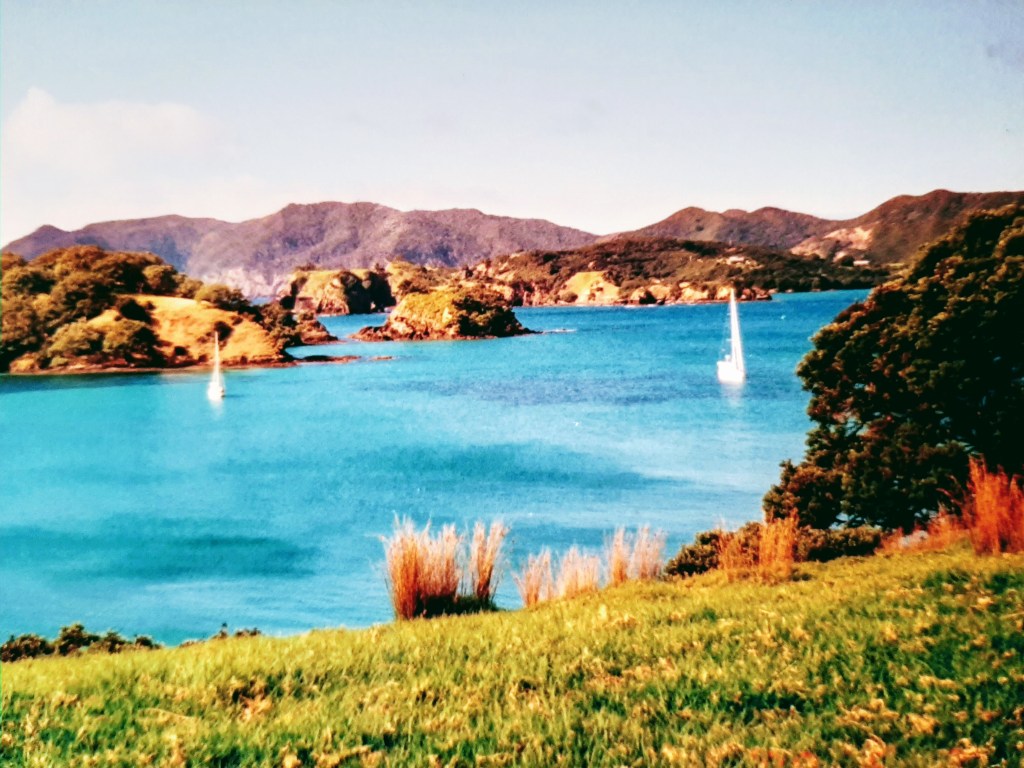
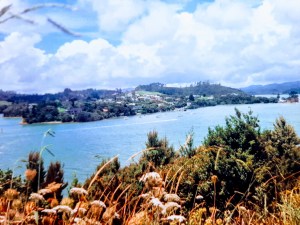
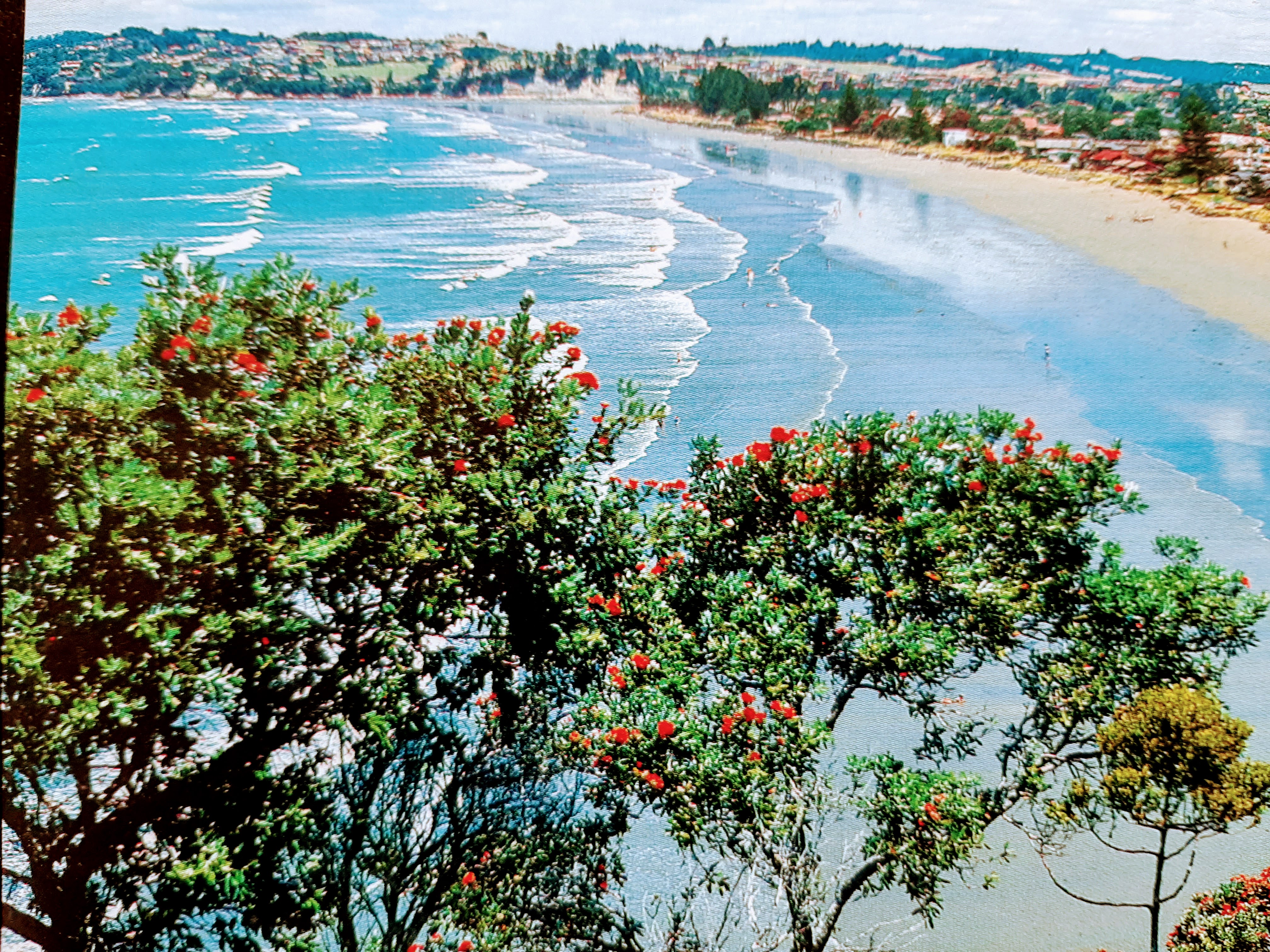
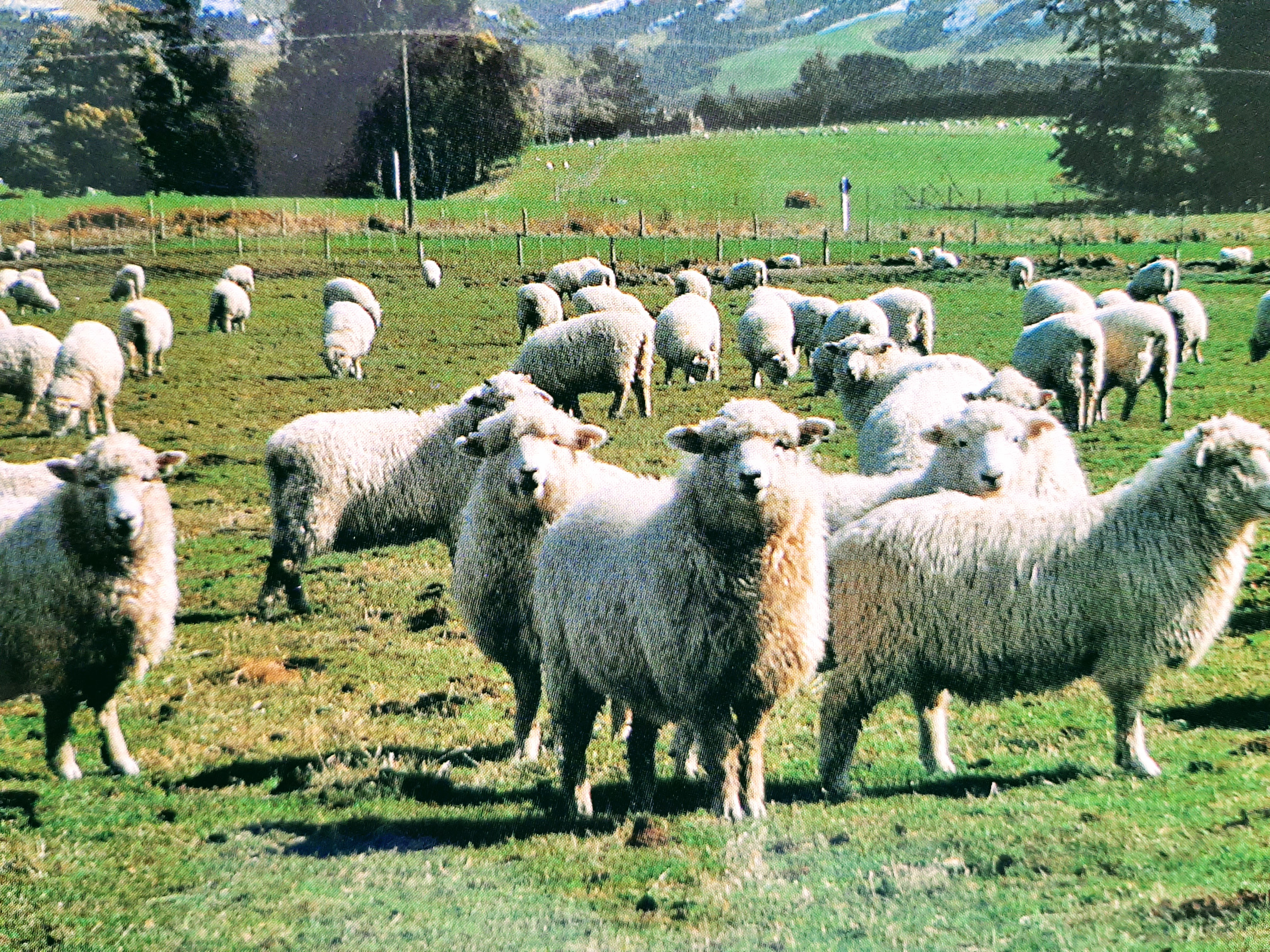
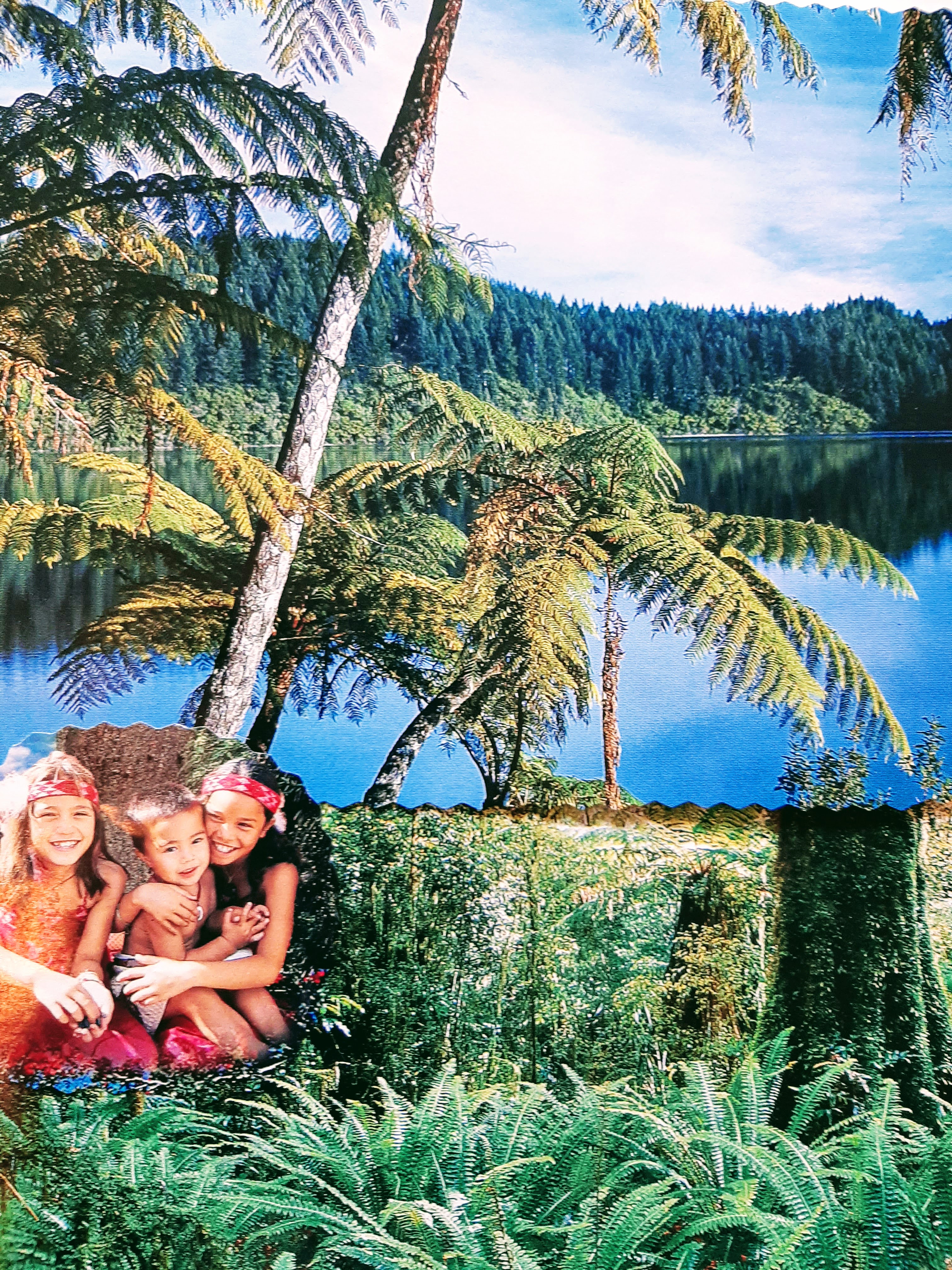
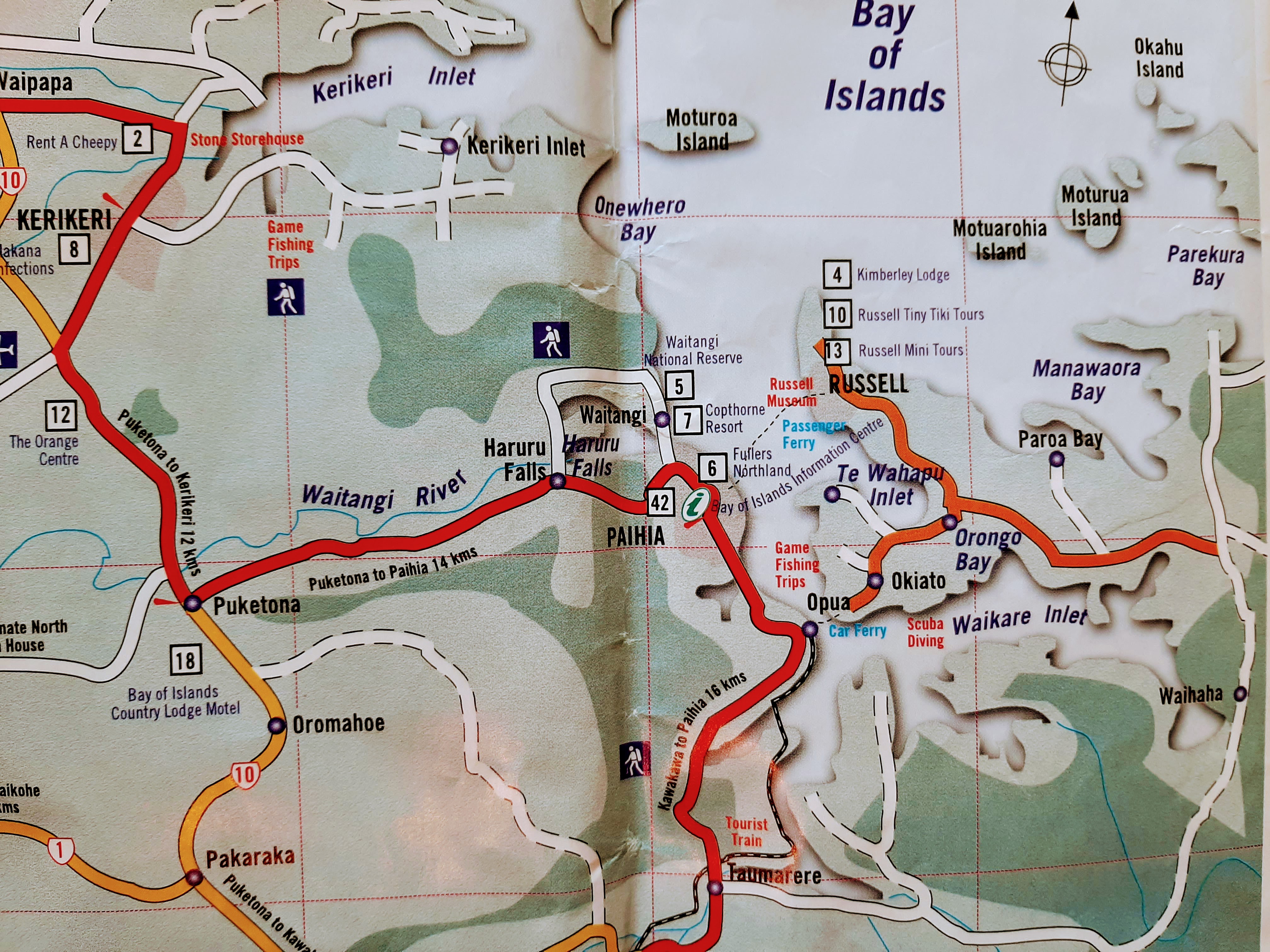
Opua and its surrounding region is all rugged shoreline, rolling hills and grassy pastures with grazing sheep. Rivers and forested trails meander through the lushness where Pohutukawa- the NZ Christmas tree, ancient Kauri, Norfolk Pine, and giant tree ferns thrive in the coastal climate. My favorite tramping path which I walked almost daily was the Opua-Pahia Coastal Walkway. It was 5-km following coastline from the car ferry ramp to Pahia’s beach. There were pleasant views over the bay, sandy beaches, and a mangrove boardwalk. Other nearby tramping included Harrison Scenic Reserve Walk, 1.4-km with some of the best coastal forest in the Bay of Islands. It’s accessible via the coastal walkway at Cherry Bay or Broadview Road, Opua. A 3rd choice is Opua Forest Lookout Track, a 1.5-km tramp through regenerating forest to a gorgeous lookout over the bay.
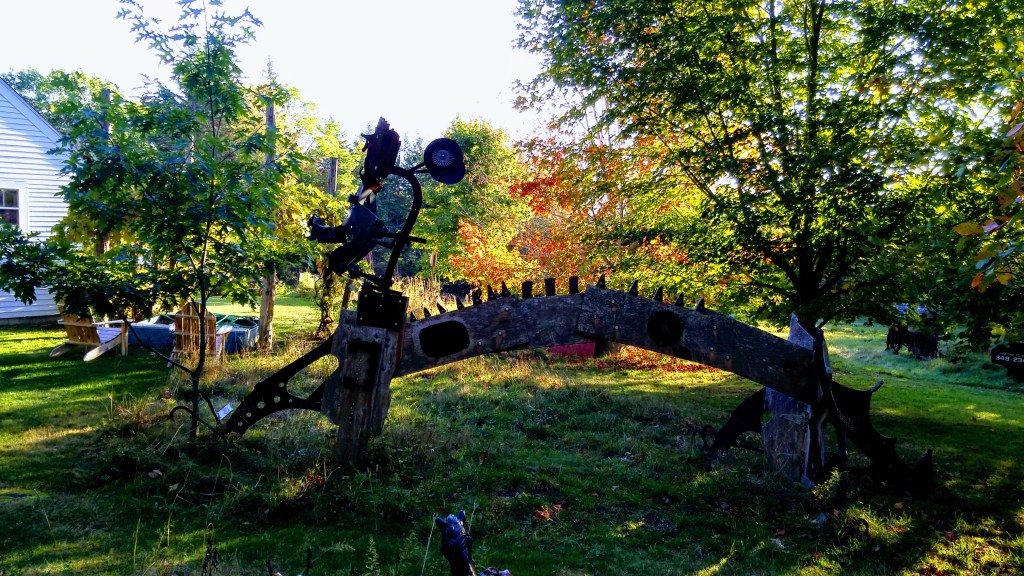
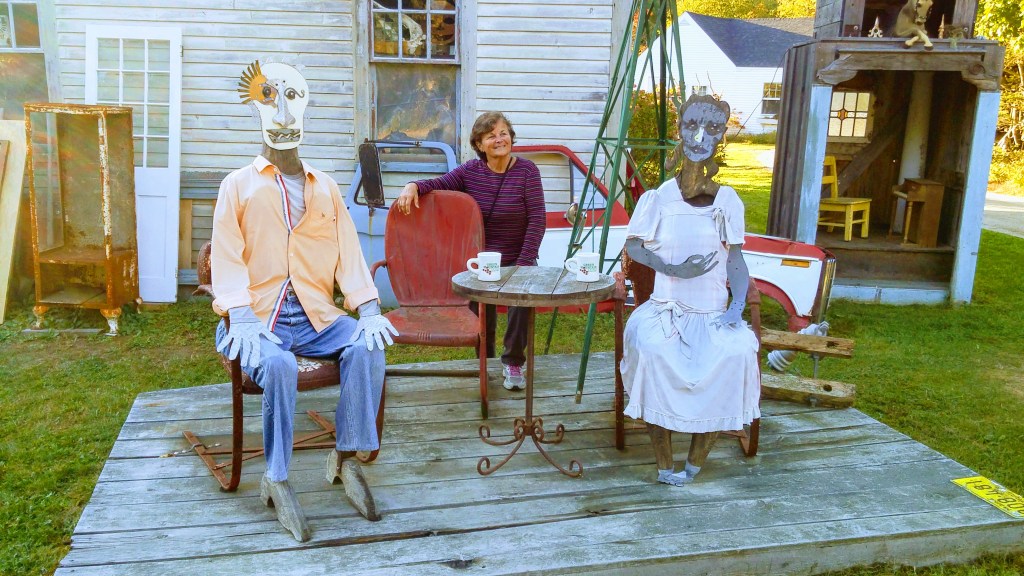
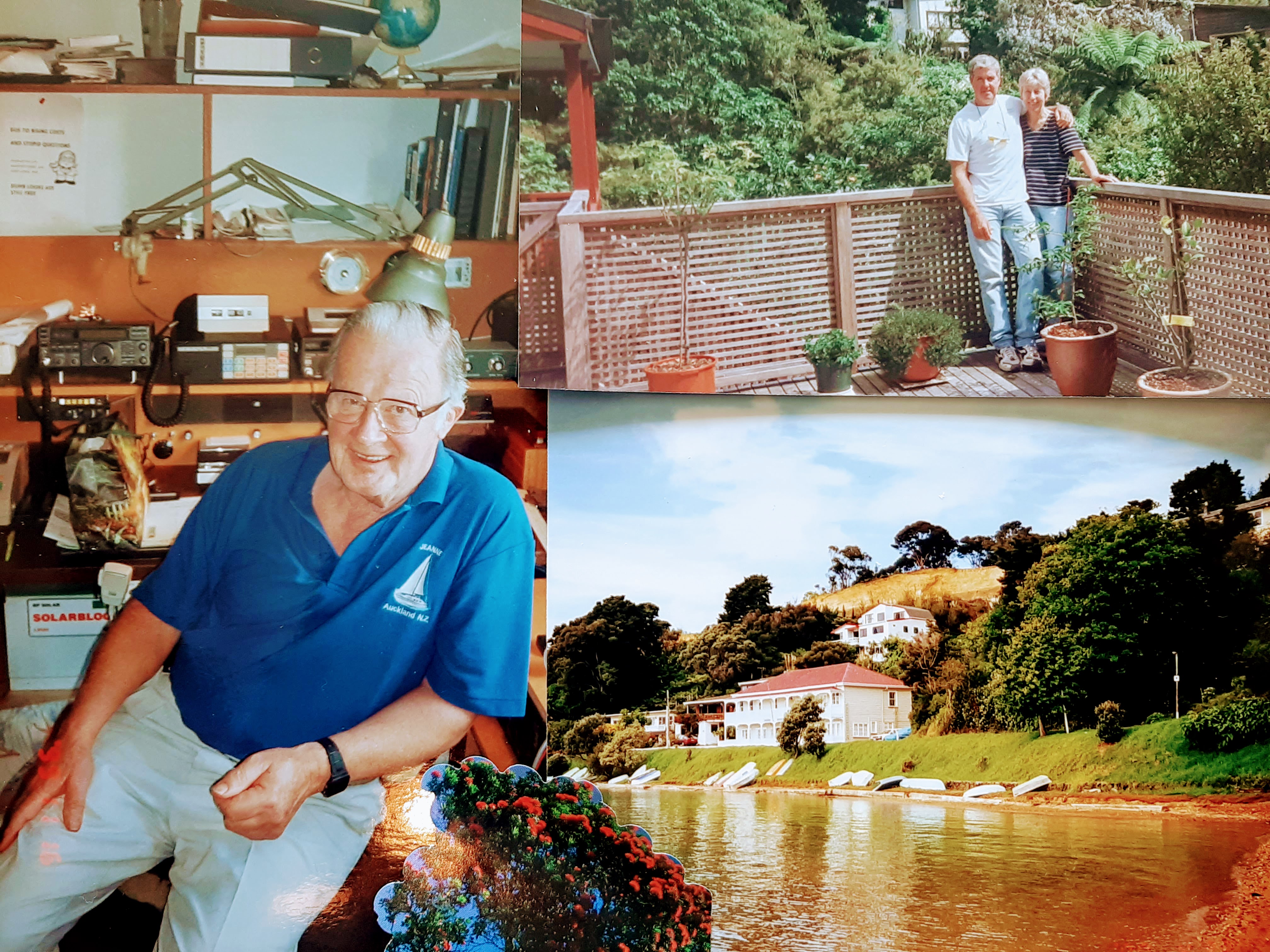
The small village of Opua is tucked into an inlet on the mainland of North Island. There is a tiny Post Office, a couple of boatyards with marine stores (of course!), and a general store. A 10-minute taxi gets you to Pahia where thankfully, there was a full-sized grocery, restaurants, and tourist shops hugging the beach and wharf.

Anchoring yachties parked their dinghies at the dock of the Opua Cruising Club. This favorite hangout provided cruisers with 25-cent hot showers which felt amazing after bucket and solar showers for months! There was also a book-trading library and long-awaited mail collection service. They hosted a Thanksgiving potluck for 200 cruisers with a barbecued pig and turkey followed by a lively Kiwi band for dancing. At Christmas our “cruising family” gathered for carols, lots of scrumptious food, of course, and a used boat parts gift exchange. Celebrating these holidays in a foreign land was made less painful due to this kind-hearted local community. It also helped that everyone spoke English!

Kiwi generosity again surfaced when tragedy struck a family we’d met while in the S. Pacific. Jack, and his son, John, while on a parts run with a local, were involved in a serious car accident. Jack died instantly and 16-year-old John was hospitalized with back injuries. This family had crossed oceans and battled many storms unscathed, only to reach what cruisers and landlubbers alike perceive as “the safety of land.” Only one of several reasons to pursue your dreams today, for we know not what tomorrow brings.

The Boathouse immediately offered a car so we could visit John and see to his needs until his mom arrived from the U.S. Linda had taken a couple months off Teresa J to spend time with her aging parents. A few days later we rode back to Whangarei with friends for another hospital visit along with other business. A cruising friend’s sister lived south of there. We not only spent a luxurious night in her home savoring a lovely meal, hours of conversation, a queen-sized bed, and full bath, but she left a key under the mat. Her home was open to us anytime—even if she wasn’t there!

People come from around the world for New Zealand’s beauty. But that’s not its only treasure. There’s also the Kiwi people; down to earth, genuine, friendly, generous, and gracious. They are also hardy, outdoorsy people who think 35-knot winds are a gentle breeze and who adore God’s natural beauty. To truly experience NZ, you must experience its people with their hearts of gold.

Have you had a kindness shown?
Pass it on;
'Twas not given for thee alone,
Pass it on;
Let it travel down the years,
Let it wipe another's tears,
'Til in Heaven the deed appears—
Pass it on.

Rev. Henry Burton

Downeast Maine—Where Mountains Embrace The Sea

Everyone needs beauty as well as bread, places to play in and pray in, where nature may heal and cheer and give strength to body and soul.
John Muir

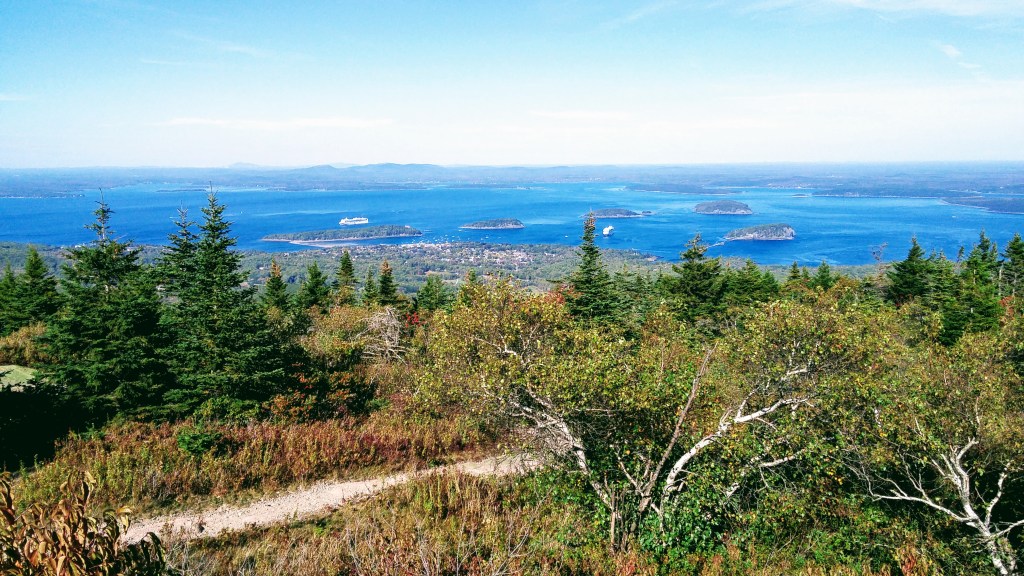
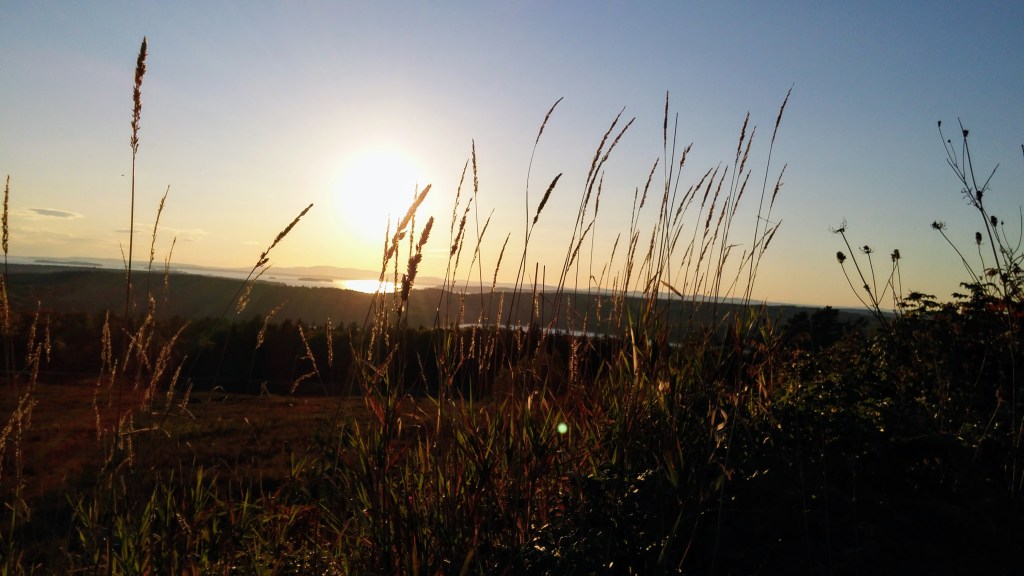
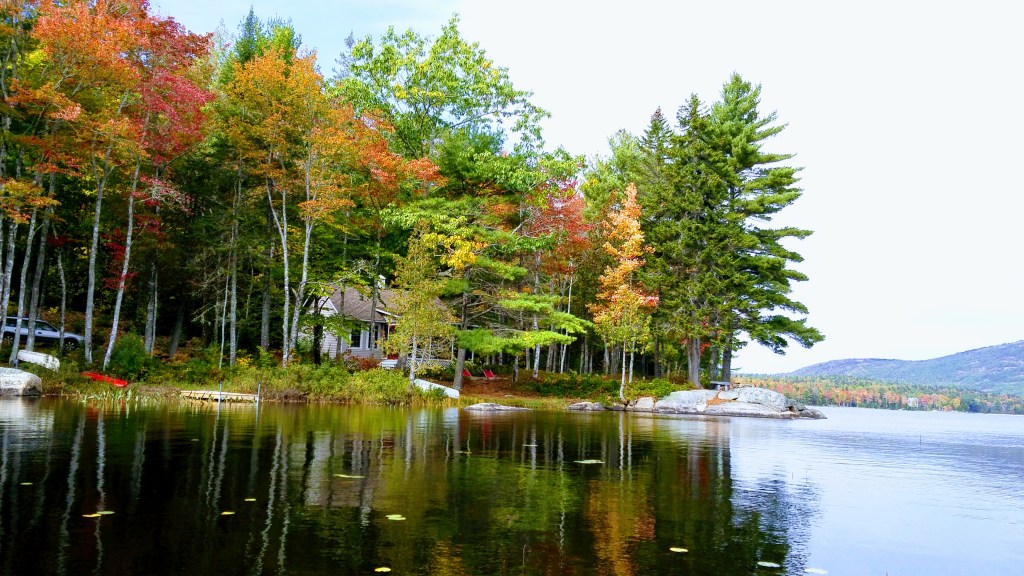
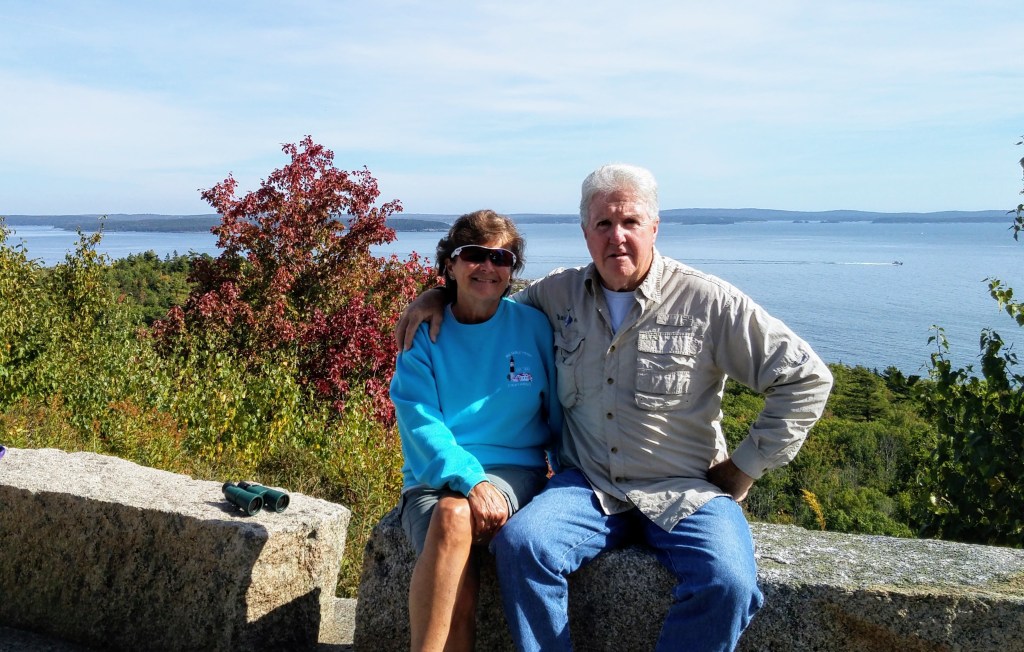
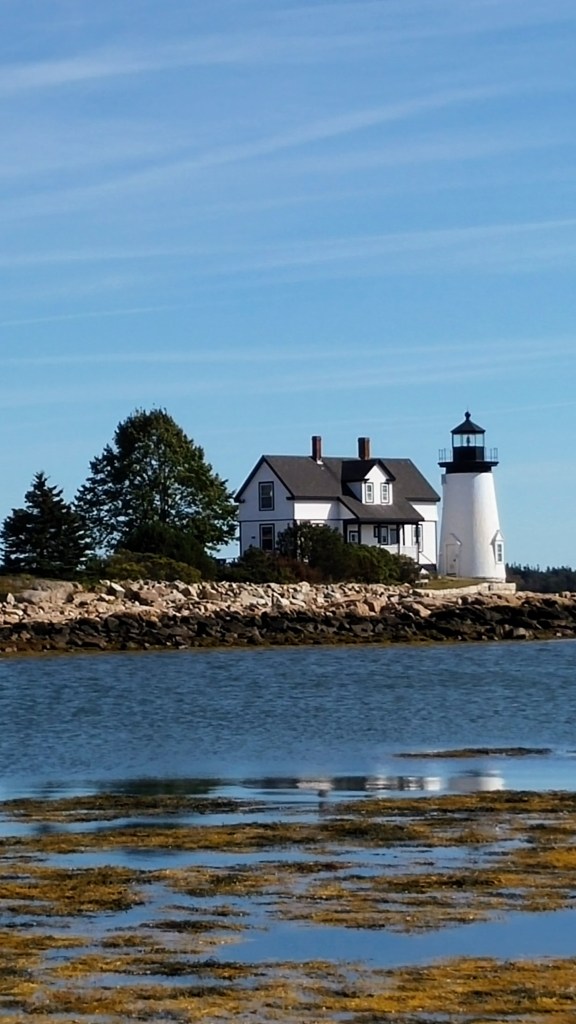
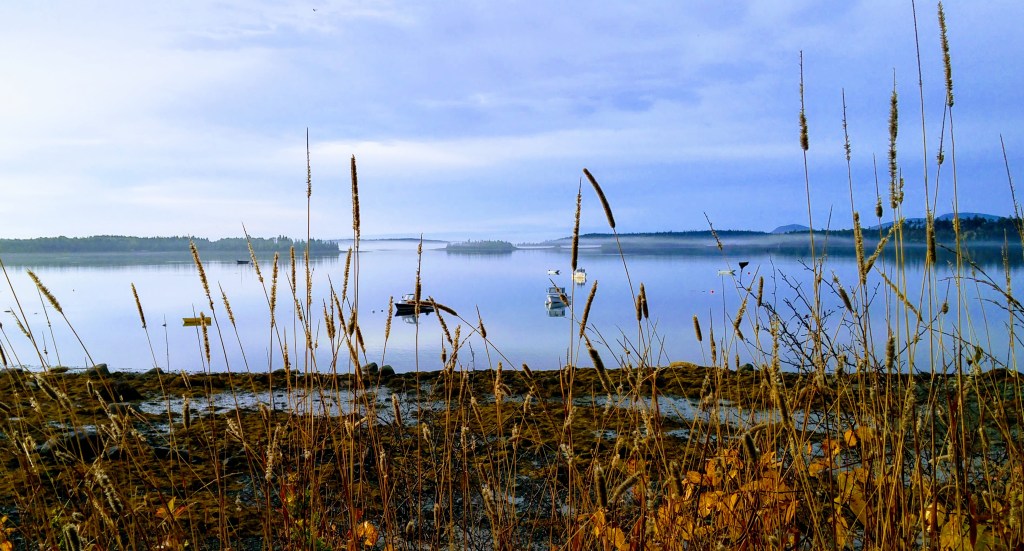
My husband and I ventured to Maine to explore Acadia National Park and visit the famous Bass Harbor Lighthouse whose idyllic photograph had beckoned me for years. What we discovered in early October 2017 was so much more—a rich maritime history mingling in quaint fishing villages; islands scattered like gems among a sapphire-blue ocean; diversified woodlands showing off their fall splendor; an abundance of wildlife, and more.

At the southwest tip of Mount Desert Island stands 158-year-old Bass Harbor Lighthouse.

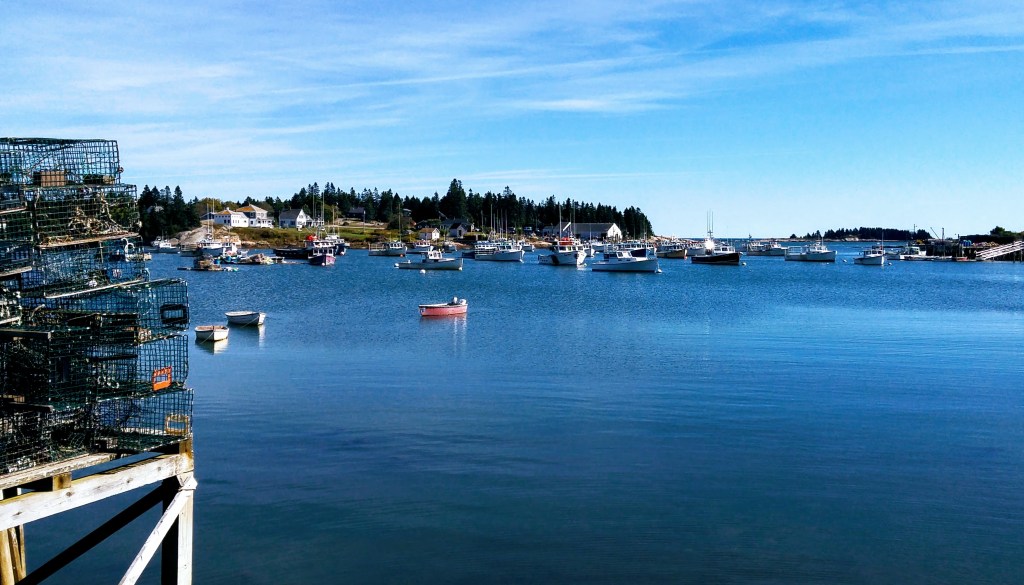
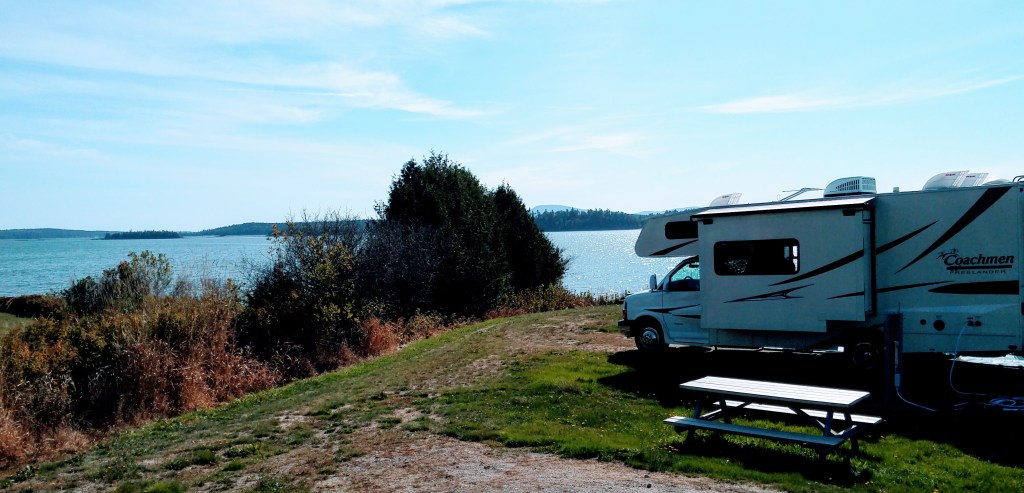
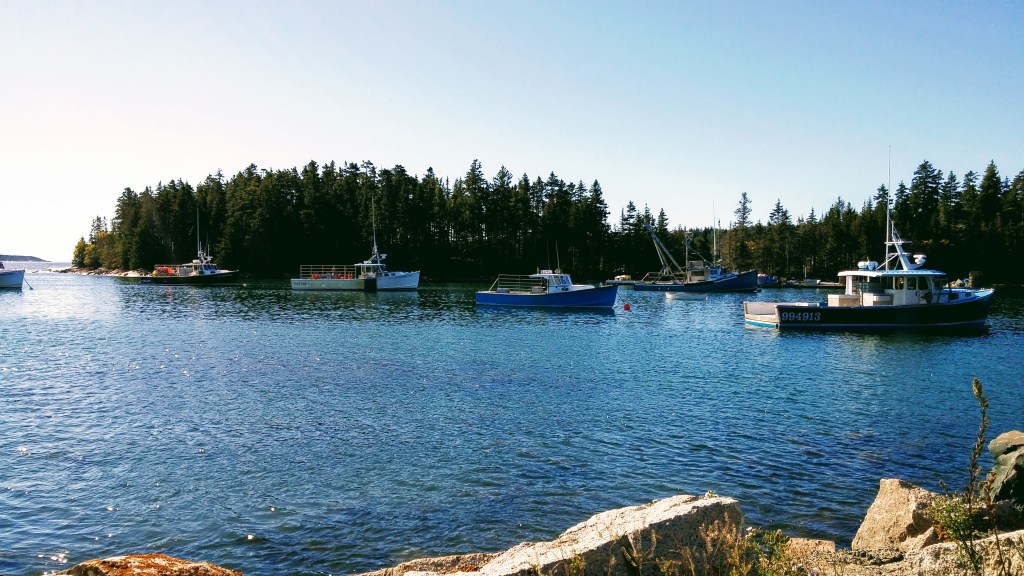
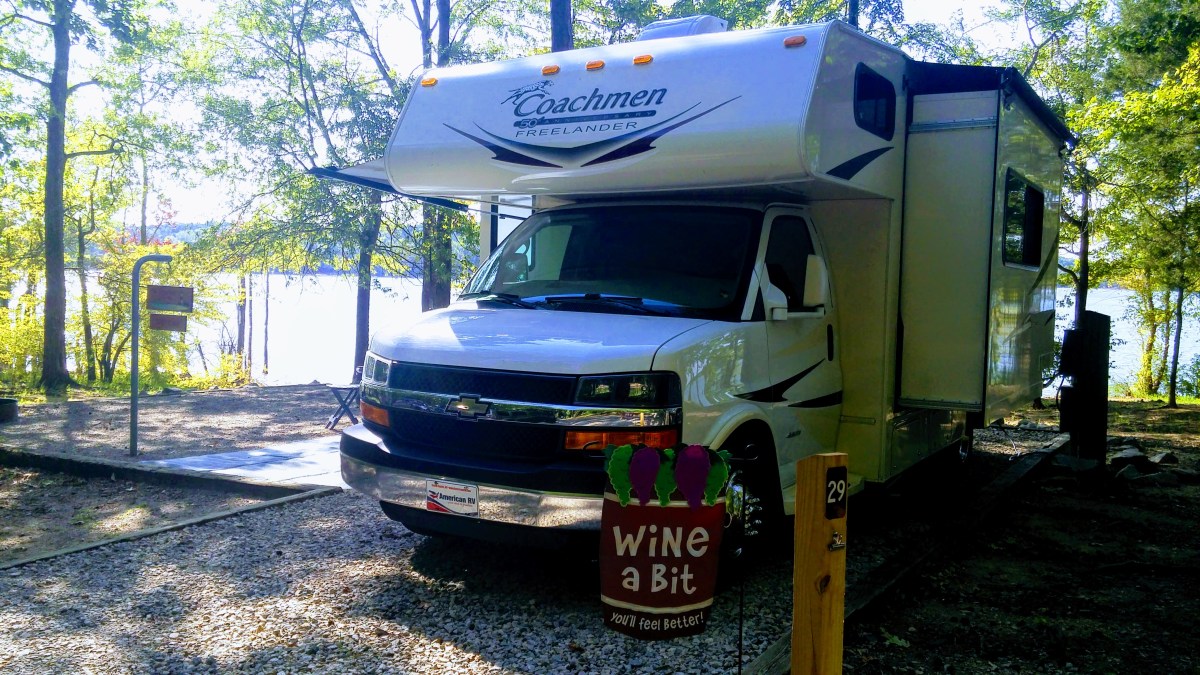
From Ellsworth our Freelander wound its way along sparsely populated Highway 1 to Mountain View Campground in Flander’s Bay . Set on a bluff, lobster boats chugged out of the cove each morning, returning at dusk, with Cadillac Mountain looming across the wide expanse of Frenchman’s Bay.

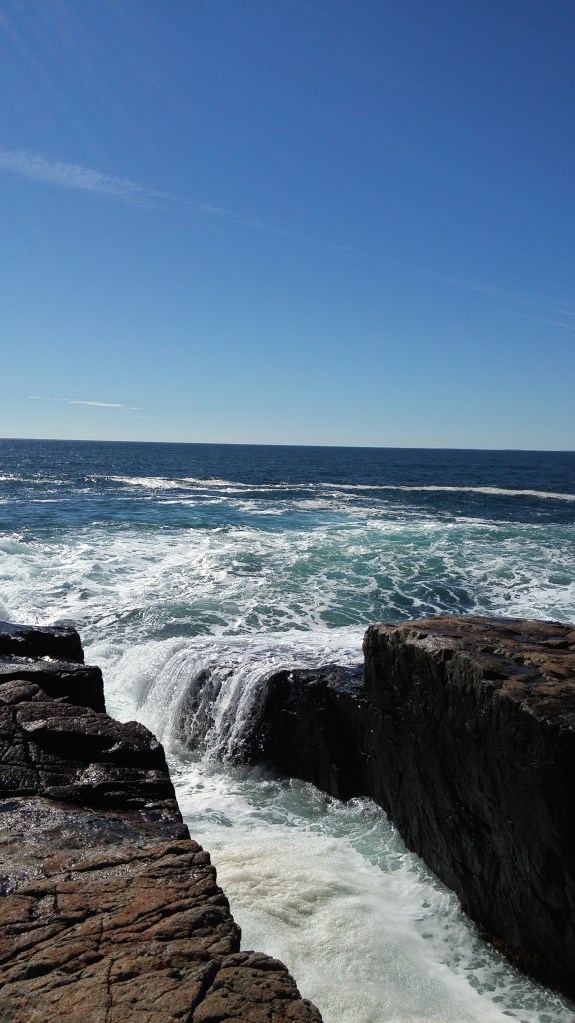
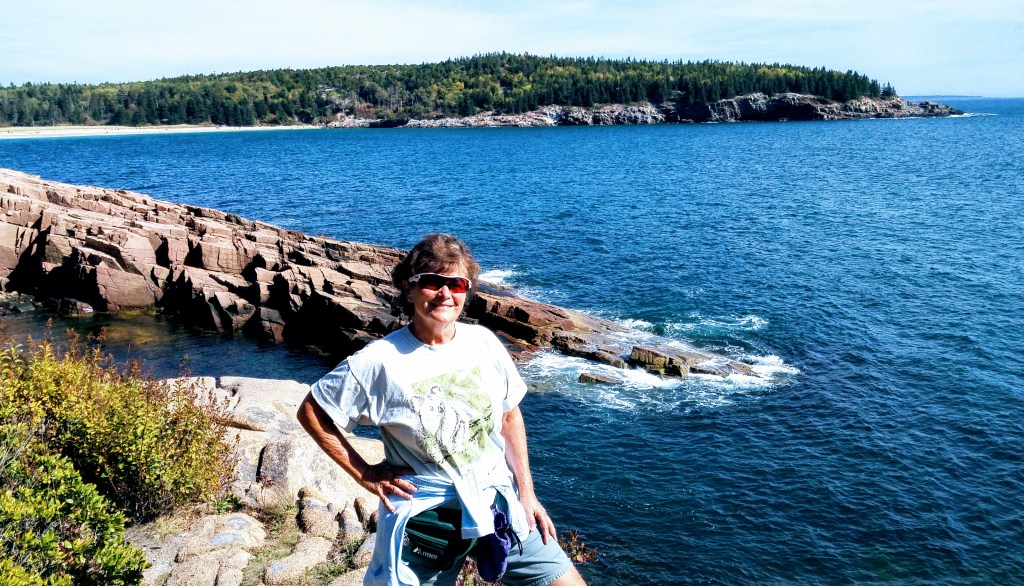
Acadia’s 27-mile Park View Loop road began at Hull’s Cove Visitor Center and snaked around Mount Desert Island’s main portion of the national park. Giant granite slabs stepping-stoned downward to Thunder Hole where waves boomed through a blow-hole. Crabs, periwinkles, and sea anemones thrived in nearby velvety-red tide pools. Sunlight danced on the water at Otter Point as we enjoyed a picnic. Seals playfully barked and seagulls glided lazily on the briny breeze.

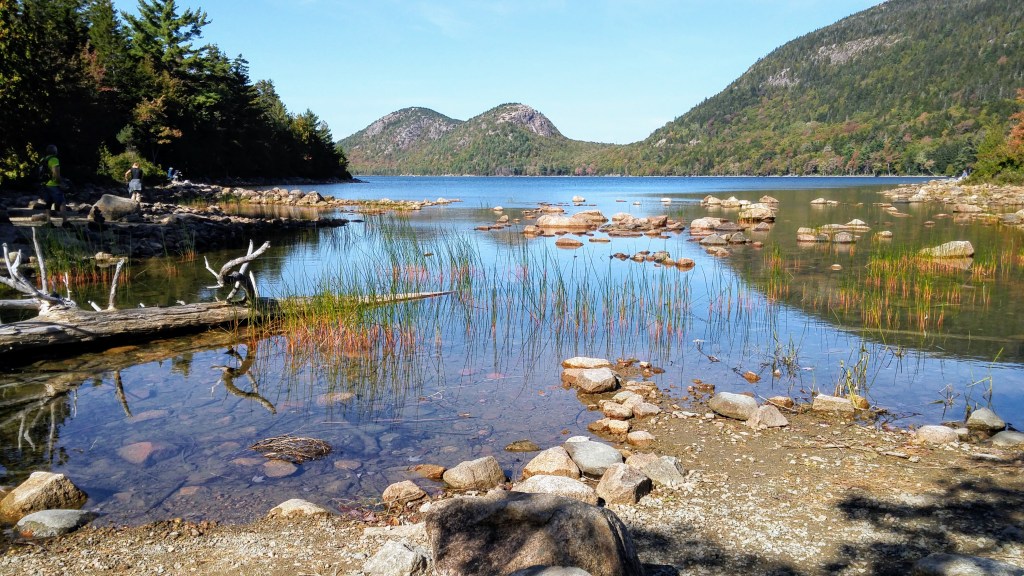
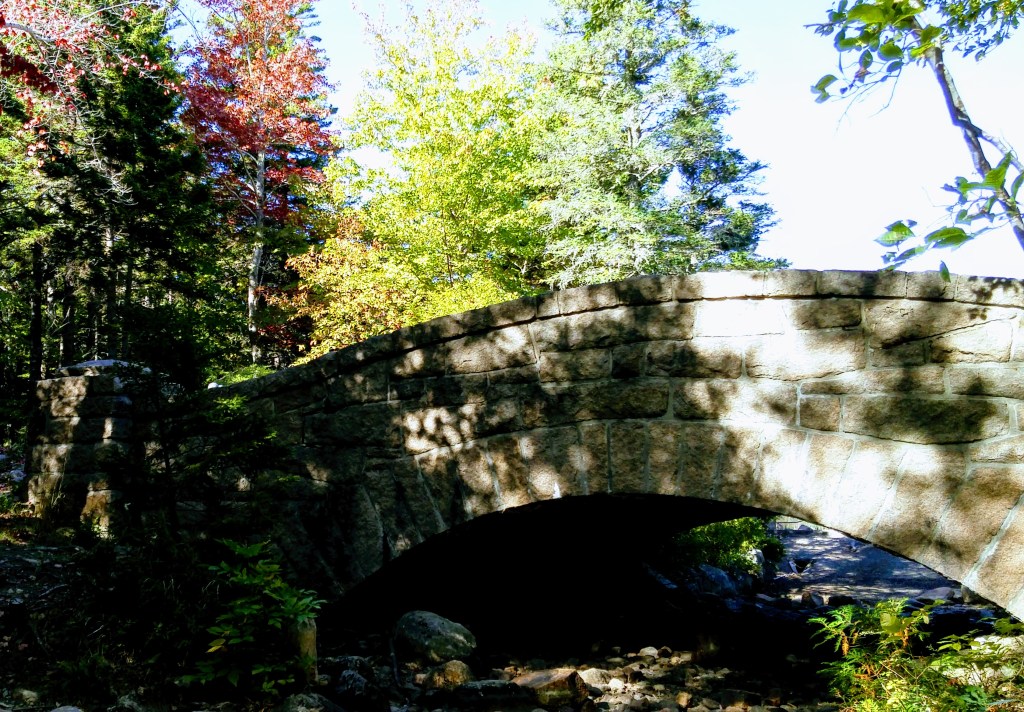
Historic stone bridges spanned broken-stone carriage roads giving a glimpse into an earlier era at Jordan’s Pond. Modes of transportation included bicycles and horses, but no cars. An easy trail provided excellent views of the crystal-clear pond and Bubble Mountains. An amazing day ended on Cadillac Mountain. At 1,500-feet, highest point in Maine, it boasted a gorgeous panorama of bays, islands, and lakes.

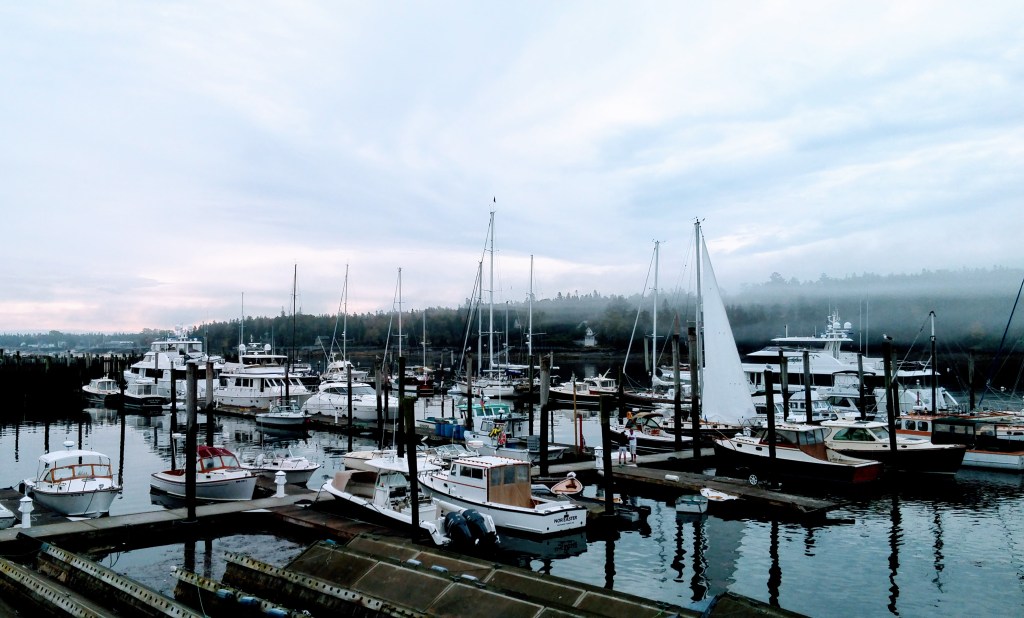
A third section of Acadia NP is found on Schoodic Peninsula. Quieter and less traveled, the National Scenic Byway meanders past enchanting ocean views; small fishing villages where colorful buoys,glass balls, and lobster traps decorate front yards; and woodlands alive with birdsong amidst fall foliage. On the wharf at the tiny marina in Winter Harbor we encountered a friendly young fisherman whose legacy of fishing and lobstering spans generations. “The money is great,” he admitted, “but battling storms and frigid temps can be a bit much at times.” Further along the road in Corea, built around its picturesque fishing harbor, I devoured my first, but not last lobster roll, dining alfresco.

Winter Harbor

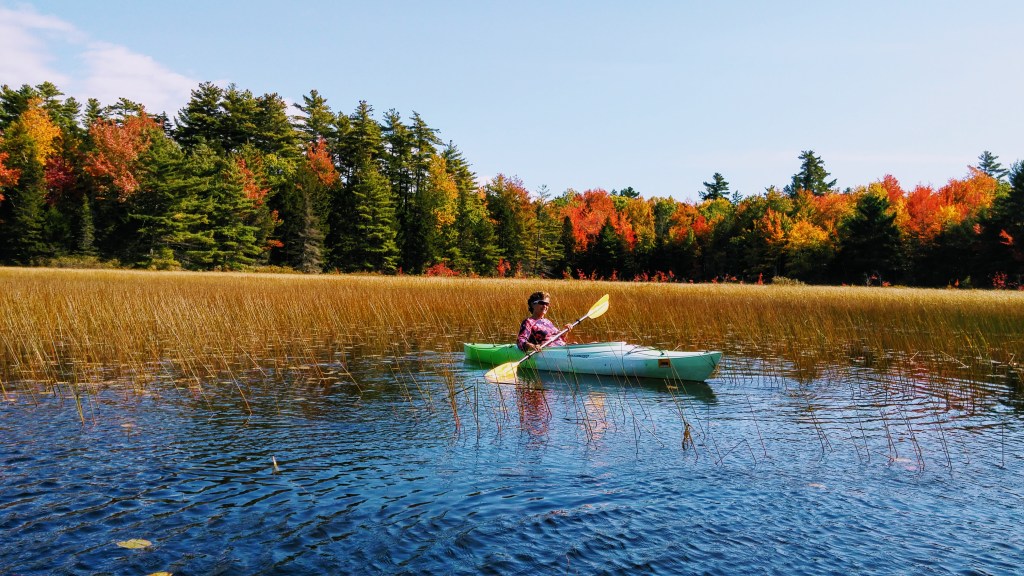
The only sounds on Flander’s Pond were our paddles swishing through the water and an occasional loon. In solitude in the crisp air with eagles, turtles, and beavers. a little slice of heaven.

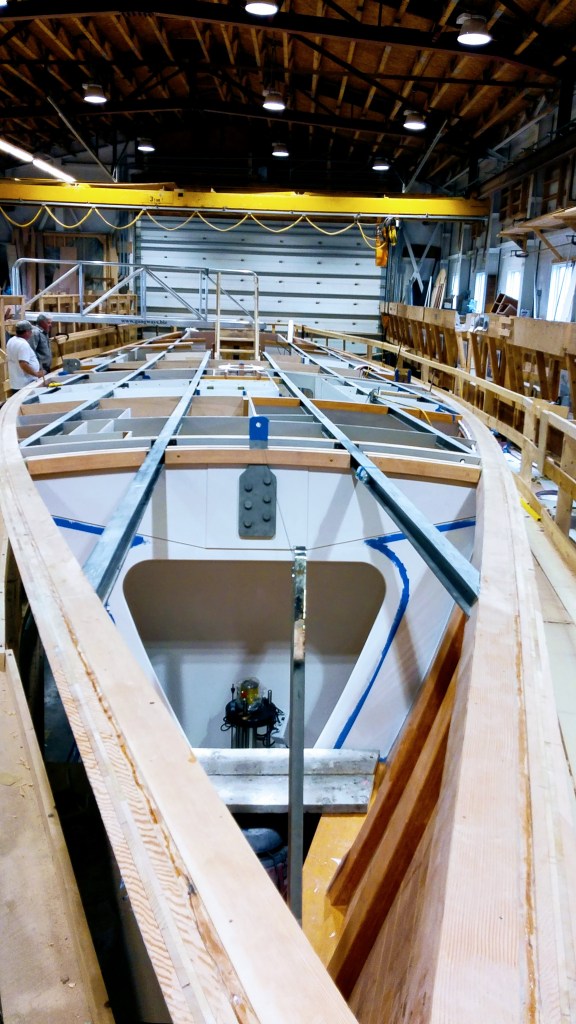
A day in Brooklin, the “boat-building capital of the world”, was a highlight for my sailor husband, who renovated our cruising sailboat and is currently building a 10-foot sailing dinghy. We accepted an invitation into a boathouse where the builder proudly described the intricacies of a 92-f00t yacht in progress from the vantage point of scaffolding high above .

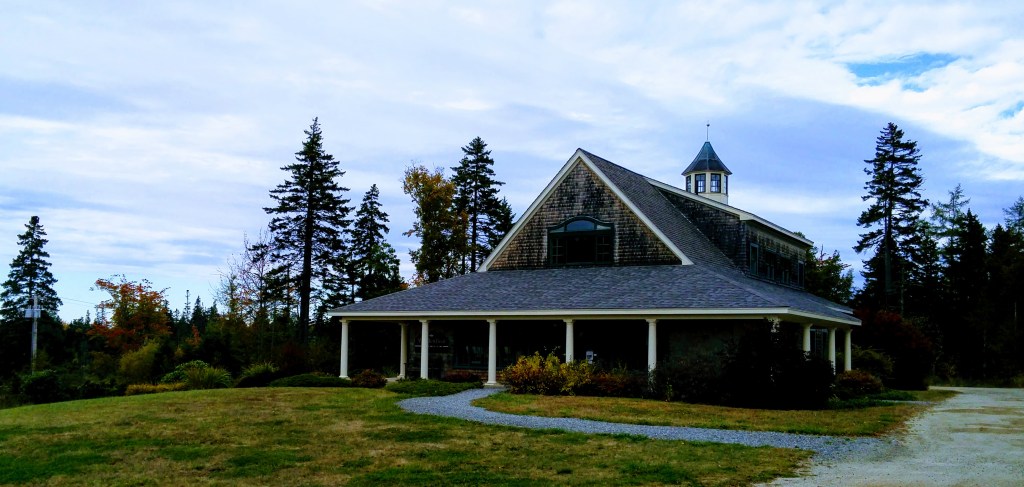
The Wooden Boat School & Store where a popular boating magazine is published and boat-building plus sailing classes are taught.

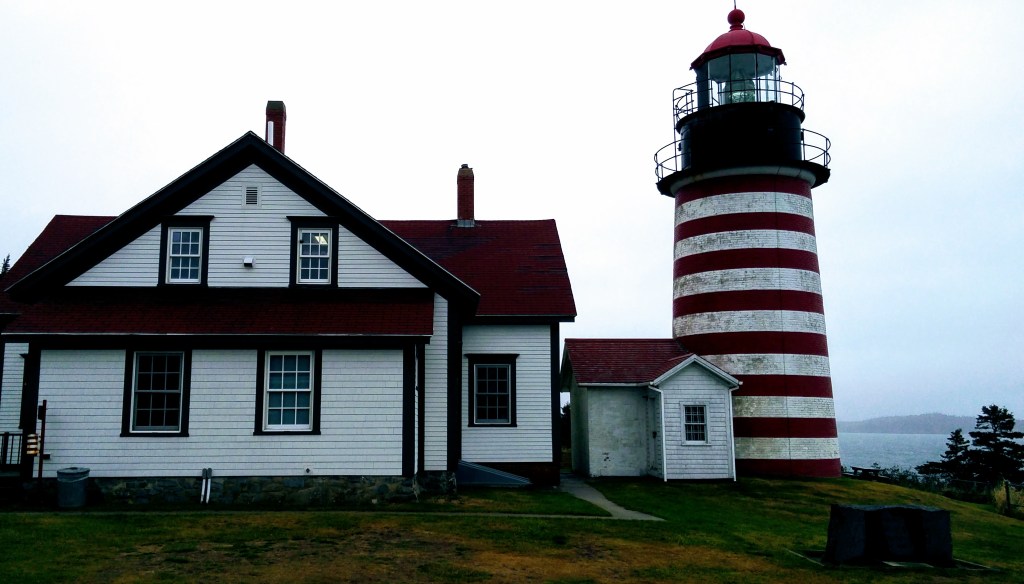
Driving through a misty rain took us northward to Lubec where West Quoddy Lighthouse has stood as a beacon of hope and warning for ships since 1808. Trekking a nearby trail where ferns, firs, and pines proliferate, reminded me of Oregon’s forests. High on a bluff overlooking the Bay of Fundy, we sighted with binoculars the International Bridge, spanning the eastern-most point in the U.S. with New Brunswick, Canada.

Off Sunshine Road on Deer Island is a unique tearoom and store, Nervous Nellie’s, where you can sample over 15 yummy homemade jams. Then wander a fantasy land of trails where whimsical sculptures delight the young and old. On a rainy day you can wander through The Big Chicken Barn. This humongous antiquarian book dealer and antique shop offered everything from armoires to nautical paraphernalia, rare books to sleds.

The gate shut behind us as we drove away from the campground. It was the end of the season, shops and restaurants closing, and many locals heading south to warmer temperatures. Jerry and I had come to Maine for the gorgeous scenery and hadn’t been disappointed, but additionally grateful for the abundance of experiences. The fresh seafood alone could lure me back, but also its maritime ambience, friendly locals, and rugged beauty.

Tonga—Where Time Begins-2

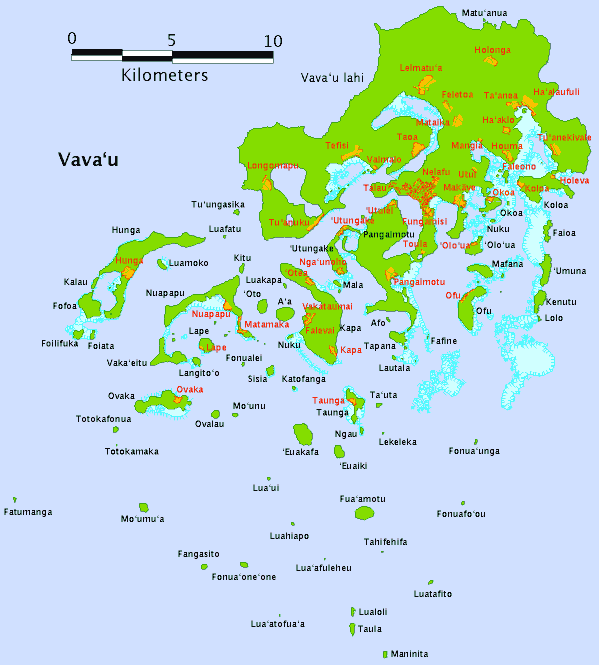
Highlights from a few of our favorite anchorages included:

  • #7 Nuapapu Island—At Mariner’s Cave we snorkeled down 4-feet, then through a large opening and about 12-feet back to the cave. An eerie, almost mystical sight transfixed us. Sunlight filtered through the water’s entrance as waves of fog rolled in and out with each swell. A jungle hike included 4-5-foot webs laced between trees, but thankfully non-venomous spiders, plus fruit bats at dusk. Our destination was the Lighthouse Cafe. We purchased scrumptious bread and sipped a drink, captivated by this one of a kind atmosphere.
  • #8 Kapa Island—We dinghied into Swallow’s Cave with boating friends. After swimming to a rocky ledge we nervously skirted 6-foot pools where poisonous black and white ringed snakes lurked before entering a mysterious domed cavern. shafts of light illuminated stalactites and walls bathed in shades of blue, green, and gold. Translucent aquamarine water, almost 50-feet deep, swirled with clouds of small, rainbow-hued fish. Ending this perfect day led us to another feast at Barnacle beach where Tongan dancing and music serenaded our group beneath a diamond-studded black velvet sky.
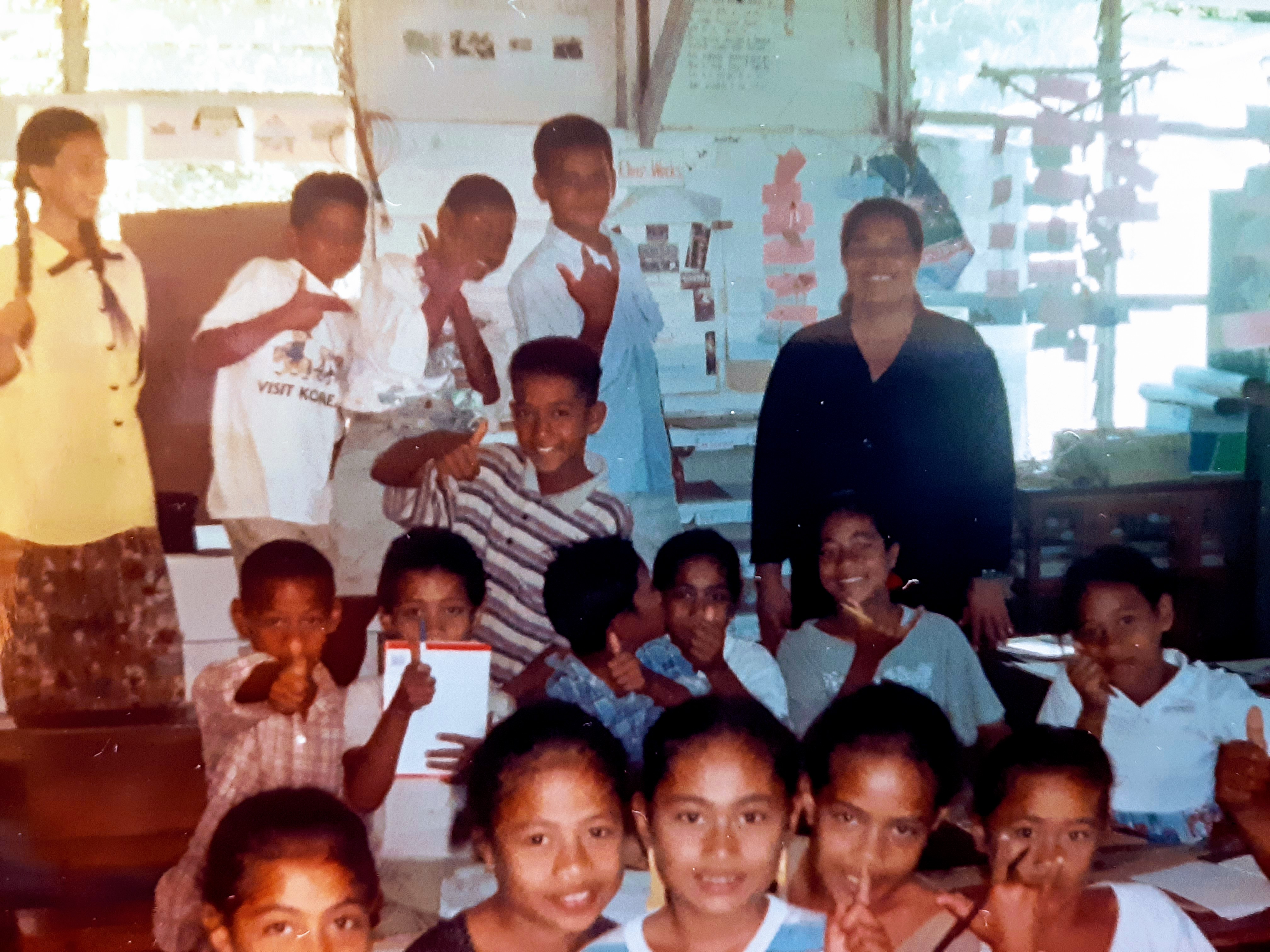
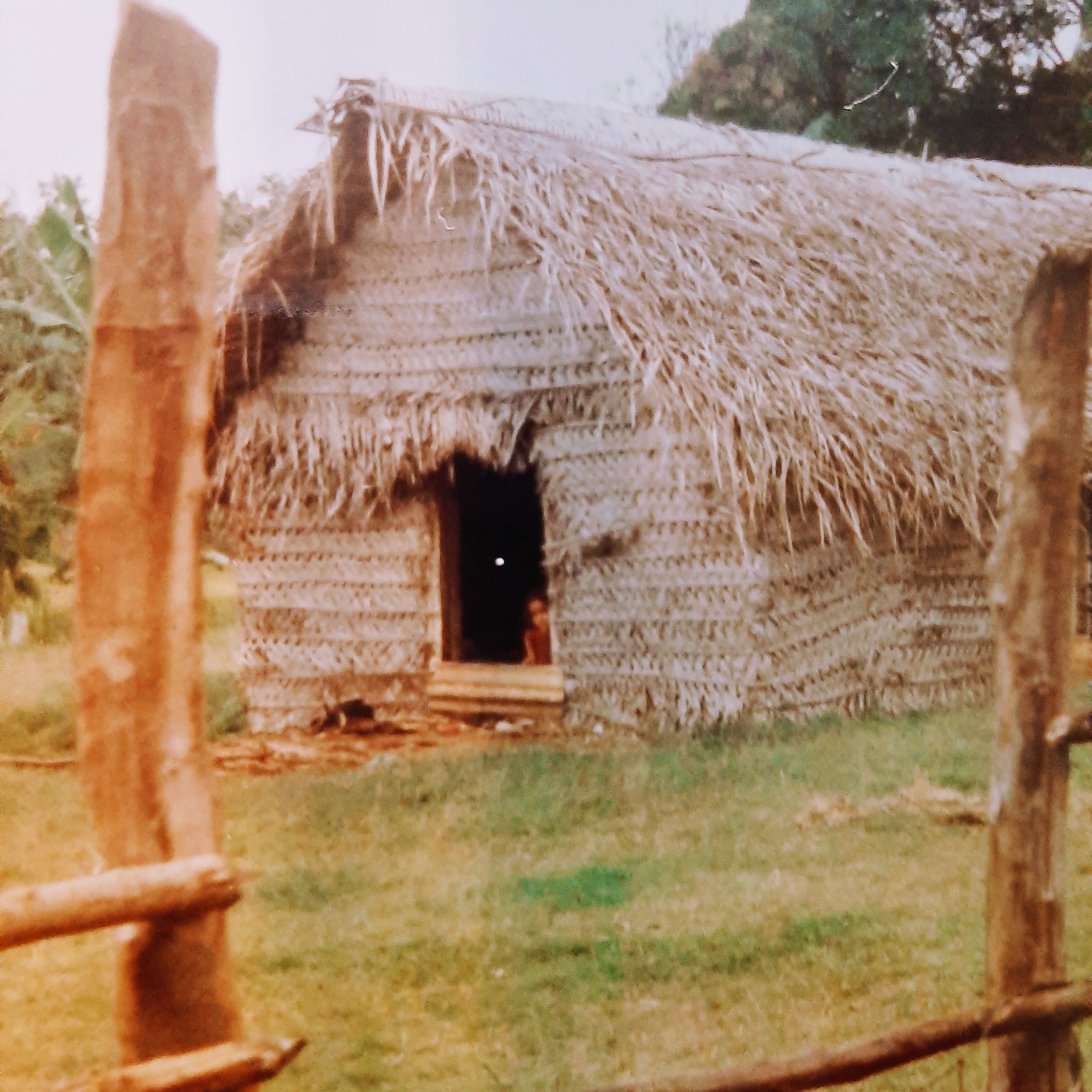
  • #13 Hunga Island—Once through a nerve-wracking shallow, narrow pass, we anchored in a peaceful lagoon. The only sounds were wind clanking the rigging, rustling palms, birdsong, and nightly crickets. One evening we crammed aboard a friend’s boat to celebrate five birthdays with a potluck and sing-a-long. Another night Club Hunga served a special dinner for about 50 people. It included fish, chicken, Tongan spinach, sweet potato, breadfruit, pineapple, and watermelon, followed by a jam session with cruiser’s and locals. During our week in Hunga we trekked to a primitive village. Pigs, dogs, chickens, and children scampered along dirt lanes interspersed with woven mat houses sprouting thatched or corrugated tin roofs. At the primary school we met Eva, one of two teachers, and gave a geography lesson plus some greatly needed school supplies. The well-mannered children rewarded us with singing and shell necklaces.
  • #16 Vaka’eitu Island—We visited this favorite snorkeling site three times. Extraordinary Coral Gardens was located just outside the reef. A continuous coral wall zigzagged through long canyons and pits displaying sea fans, mushrooms, carnations, tables, brains, and other varieties of hard and soft corals. The numerous clown, cuttle, lion, parrot, and other fish paled in comparison to the shades of purple, pink, blue, green, and yellow garden “flowers”.

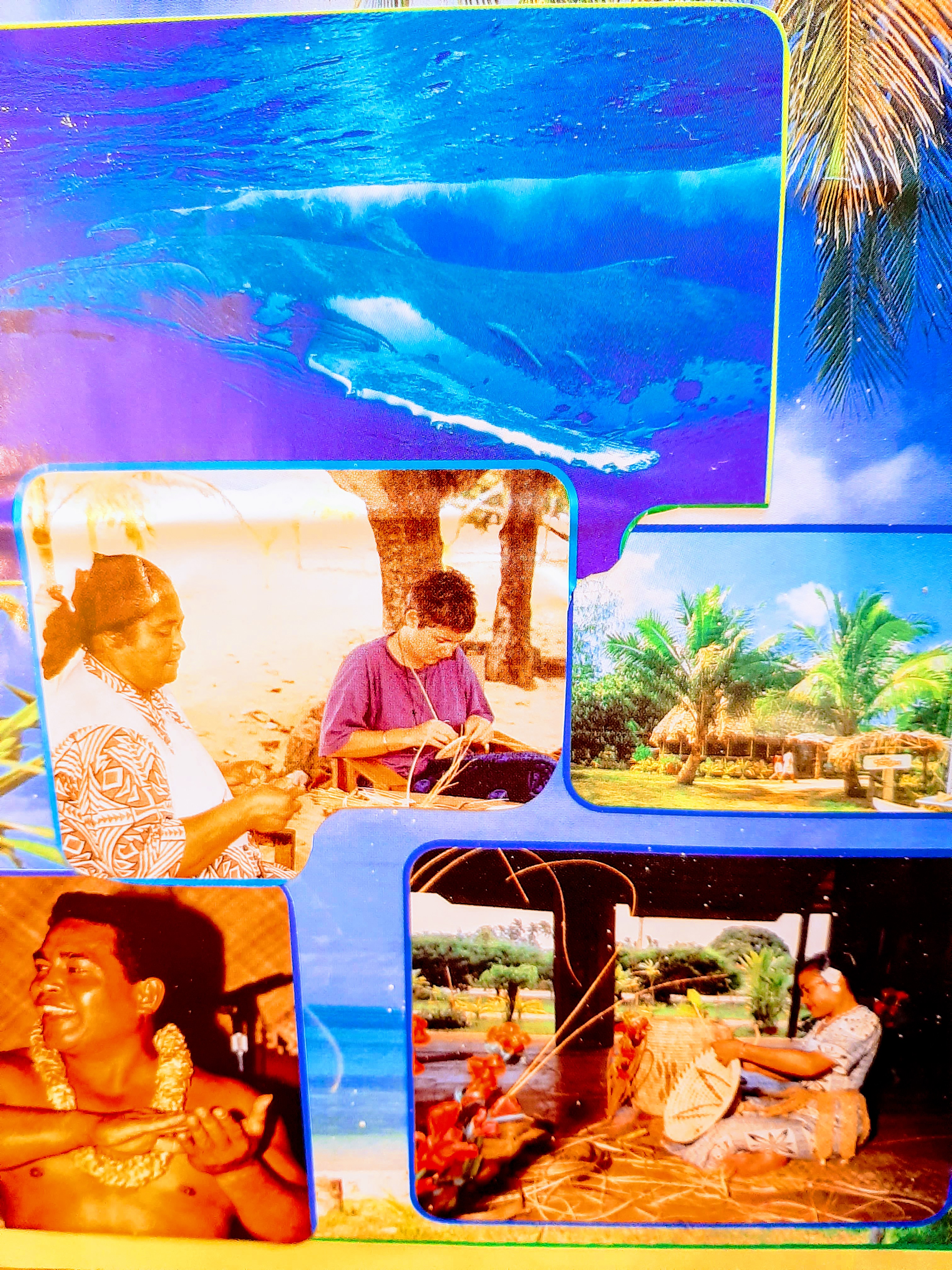
Vava’u’s outdoor playground also delighted us with humpback whales and dolphins spinning and splashing as we cruised among this protected ocean paradise. The 12-hour passage to Haapai, the central Tongan group, was less favorable. We battled 30+ knot winds close-hauled, with 2-3 meter swells pounding our beam. Foul weather fluctuated with calm during the last week of October. We joined friends for picnics and long walks on the white sandy shore. Anxious for a favorable weather window, we prepared for the New Zealand crossing by washing laundry in buckets, baking bread, moving needed stores to easy, accessible locations, and filling out required entry forms. In-between chores and potlucks we strategized routes and weather with several buddy boaters.

Farewell “Friendly Islands” as Captain Cook aptly named this island country. I hope we have absorbed your philosophy of mo’ui fiemalie and nonga for a contented and peaceful life, satisfied with simple pleasures.

Now may the Lord of peace himself give you peace at all times & in every way. The Lord be with all of you. Thessalonians 3:16

Tonga—Where Time Begins

A labyrinth of waterways wound past islands clothed in limestone cliffs, canopy of jungles, and occasional beach. WHITE DOVE dropped anchored in Niafu, the Port of Refuge, on the main island of Vava’u. Thirty-four islands made up this northern group in Tonga nudging the International Date Line. Jerry and I lost track of time amid our adventures of snorkeling, feasts, and reunions with several cruising friends met from Mexico through Polynesia. This sailing mecca presented a diversity of anchorages only an hour or so apart. Several charter companies offered day sails or extended vacations whether bare-boating or with a captain/crew.

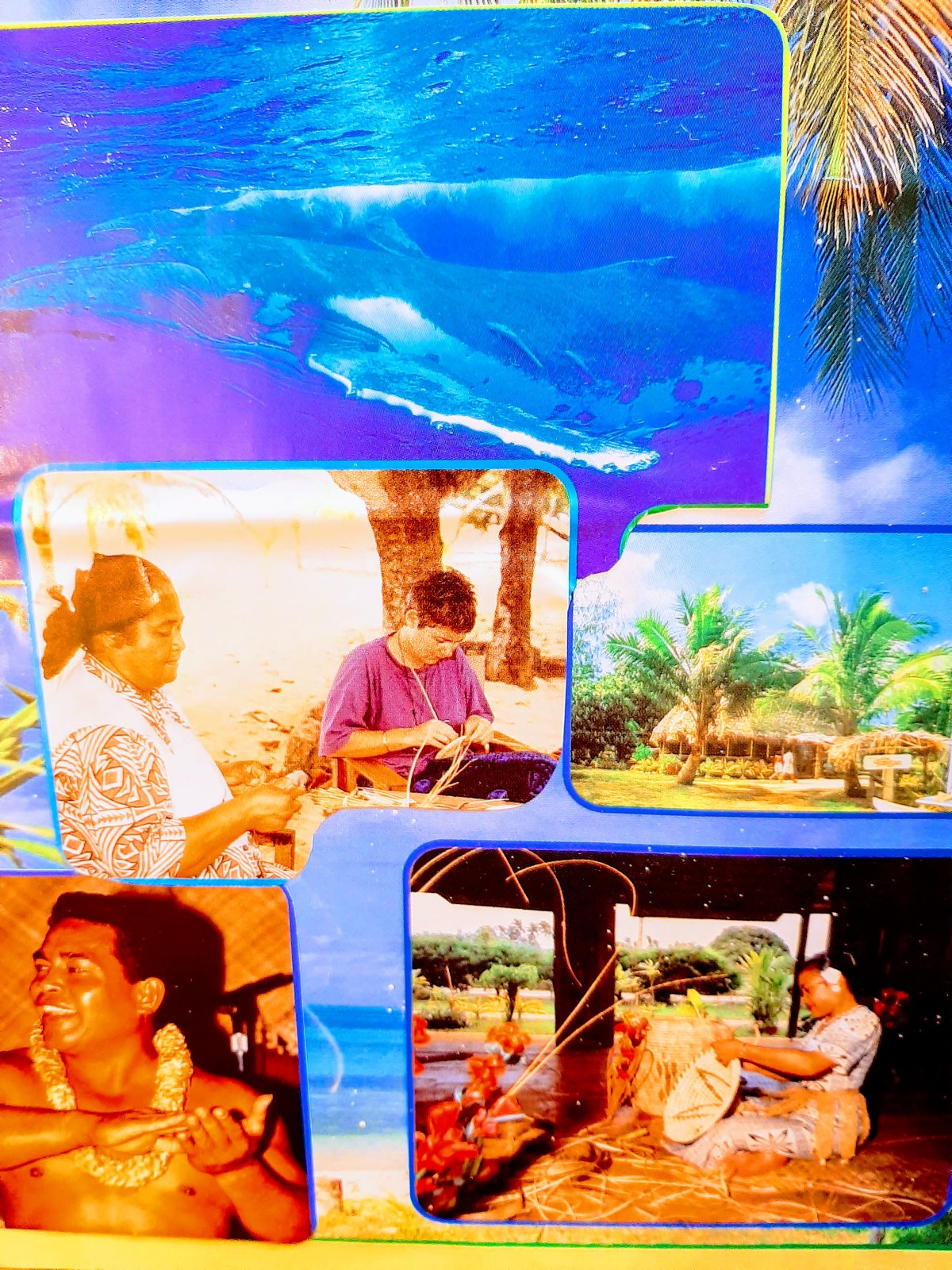
Fragrant vanilla pods permeated Niafu as we stocked up at their excellent outdoor produce market, savoring our first juicy watermelon in six months. Local craft booths exhibited an extensive array of woven baskets in all shapes and sizes made from tan, brown, black , and white pandanus leaves. I packed quite a few on our boat, using to store produce and shells. Also popular was tapa cloth made from the bark of the paper mulberry tree. After beaten paper-thin, it was hand-painted with natural dyes.

On Friday evenings many yachties converged at Anna’s Cafe for happy hour, cheering on boat racers in the harbor and enjoying a local band. Sundays found us attending the Free Wesleyan Church. Tongan men and women dressed in the traditional ta’ovala, a skirt of finely woven pandanus matting. Half of the congregation made up the harmonic choir, captivating us with dark warm eyes, shy smiles, and heart-felt singing. The long sermon spoken in their language was a small price to pay for experiencing their faith and joy.

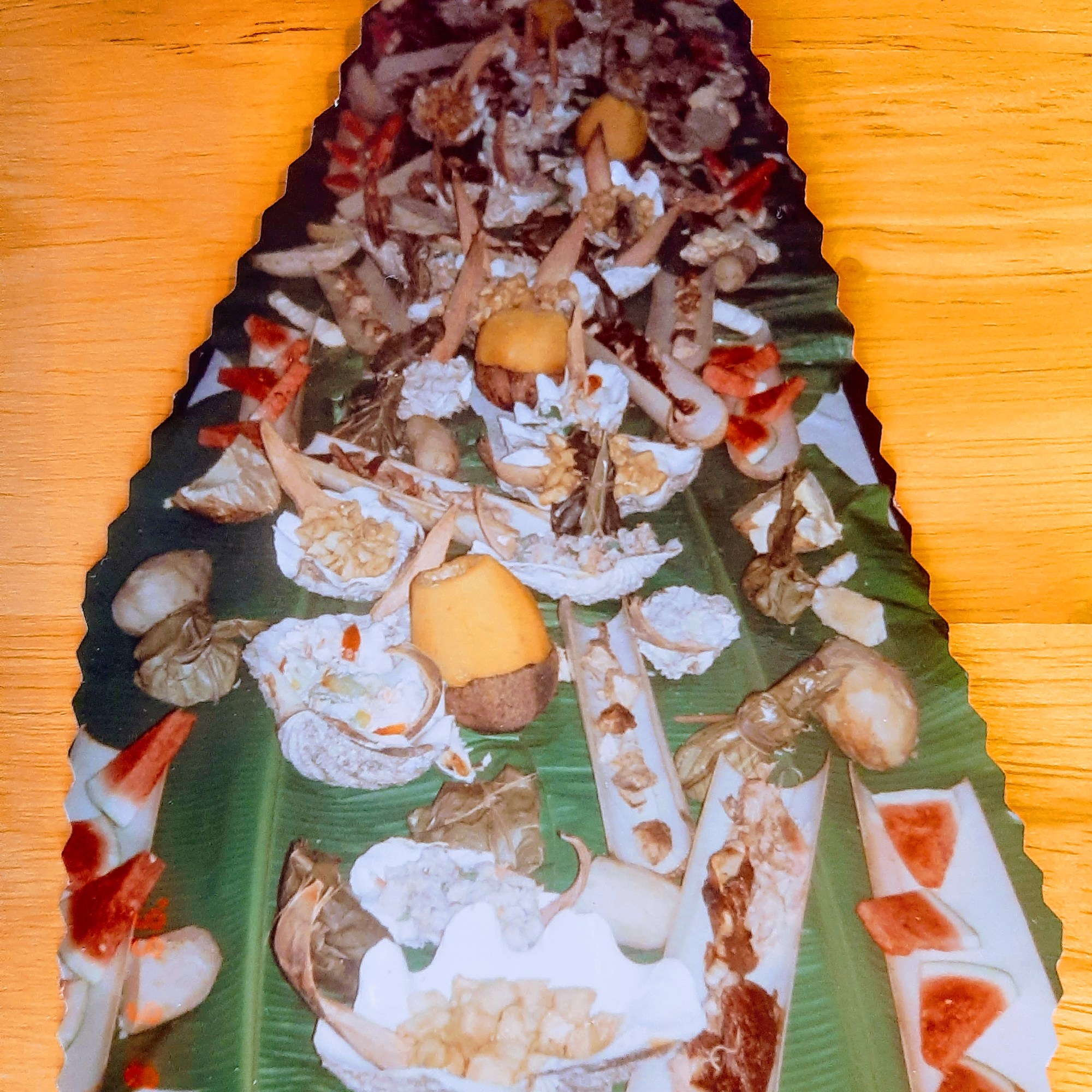
One afternoon after service a group of us were invited to a feast at Isaiah’s home in Pangai Village. We sat on mats, passing large clam shells brimming with roasted pig, fish, corned beef, oysters, octopus, breadfruit, taro, sweet potatoes, and papaya, all baked with coconut cream sauce in their umu- an underground oven. Plates were large palm leaves, cutlery our fingers!

Niafu was interesting, but the majority of time was spent exploring various numbered anchorages. See Part 2 for a list of these and more adventures.

As you go through this day, look for tiny treasures strategically placed along the way. I lovingly go before you and plant little pleasures to brighten your day.

From “Peace In His Presence” by Sarah Young

Survival of the Fittest—Part 2

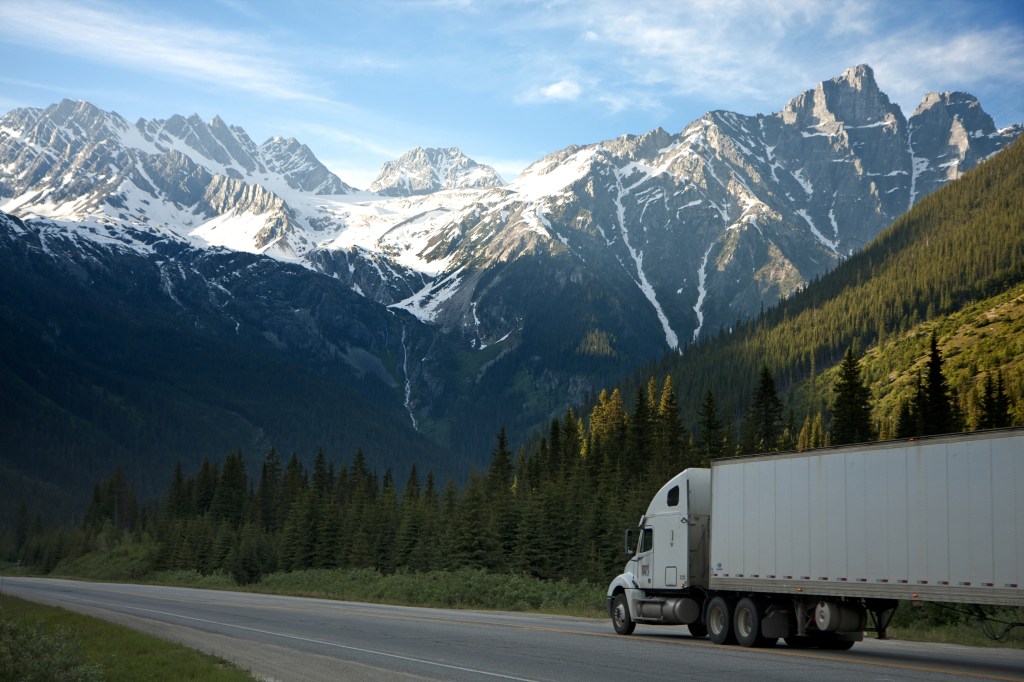
Day 6 Trucks assigned, I parted company with my mechanically-gifted husband,a source of knowledge and encouragement. Truck mates Cowboy Casanova, Whiny Steve, and I tackled our pre-trip check. Like my early sailing days, I attempted to integrate technical terms with their functions. While differentiating between the fuel pump, alternator, and water pump, today’s instructor, Captain Kirk, gathered the class. I shivered from cold and nerves as he demonstrated flying and landing maneuvers. Can he beam me to a warm, stress-free tropical island?

Kirk drove each group around the yard in the bobtail, shifting gears like a spoon through pudding. How humbling when we novices slid behind the wheel. Bucking like a bronco, it was mostly grinding and groaning as we double-clutched. Later we discovered the joys of backing an eighteen-wheeler between four sets of cones. My teeth clenched halfway back as the trailer veered off course, annihilating a cone. Eventually I performed two straight-backs within parameters, but exuberance was squashed, along with more pointy obstacles, once Kirk departed, leaving these words of wisdom in his wake: “Just relax and have fun.”

Trucking school is an alien planet! Give me a skeleton and I can name all the bones, muscles that attach, plus how they move as I’ve worked in Physical Therapy for over thirty years. Here I feel adrift on a raging sea with torn sails. Thankfully, God is my anchor and safe harbor. After a nutritious evening meal of corn dogs and fries followed by a side of indigestion, we retreated to our holding cell. Following more entertaining hours of study, I opened my Bible to Matthew 11:28. “Come to me, all you who are weary and burdened, and I will give you rest.” I slept soundly, trusting in the Lord’s plan.

Day 7 My floundering ego capsized with two outrageous parking maneuvers: the blind-sided parallel and the alley dock. Hope sunk quickly as emotions swung out of control like an untethered boom in tumultuous seas. Standing in below-freezing temperatures, my mind was as frozen as my fingers and toes. Granted a Snow-Day afternoon, Jerry and I connected with a faith-abiding couple and prayed for perseverance. We were reminded that trials can bring our greatest mercies, allowing us to draw closer to God for strength and discovering His plans. I am so lost and await direction.

Day 8 Our breakfast entree, “Techniques for executing turns without running over anything” included apexes, reference points, tandem placement, formulating plans, and calculating the truck’s position. Oh, and catching vehicles sneaking between us and the curb. Ouch! After lunch, prayer, and meditation, we were scheduled to drive Route 1. Our bearish instructor, the Drill Sargent, barked orders and growled at our ineptitude. During my forty-five minutes of shame at the wheel, I frantically grinded through gears, the tachometer swinging wildly, straining to recall distance formulas, swerving around corners and cars. Suddenly I was on the freeway! Our rig returned intact and I praised God for another miracle. Tonight only three hours of homework and then this inspirational verse: “Therefore, do not worry about tomorrow, for tomorrow will worry about itself. Each day has enough trouble of its own.” Matthew 6:34. That’s the truth!

Day 9 The day began with a video about diesel fuel and how to become a human torch. At a crossroads, I consulted God’s GPS. It pointed me down an unexpected avenue. I resign, jettisoning this massive load of deteriorating physical and emotional health before my vessel capsized. By the following day six additional classmates had been terminated. The remaining ten, all with previous trucking experience, see graduation day. Fortunately, Jerry was among them.

Each act of surrender prepares us to trust God with even bigger surrenders that may be required down the road.” Nancy Leigh DeMoss, “The Quiet Place”.

Surrendering control, bit by bit, I began to see the path God desired for me. It was not trucking the highways of America. Within days of leaving “Survival School” I was called to California to assist my dad. As my stepmom declined in a nursing home, he struggled with anxiety and depression, neglecting his own care. Months later we became legal guardians of our teenage granddaughter. That’s another story, but it meant providing a stable, permanent home, something we could not have done from an eighteen-wheeler. After Mary passed, came another tough decision to relocate Dad to Indiana. We built a studio apartment for him on our property and became his caregivers as he battled Alzheimer’s.

God had a much grander plan for us than cruising tandem cross-country. Through those trials our family grew closer and bonds of love were strengthened. Thankfully I listened, obeyed, and followed His road, not mine.

The Winds of Fate

One ship drives east and another drives west
With the selfsame winds that blow
'Tis the set of the sails and not the gales
Which tell us the way to go
Like the winds of the sea are the ways of fate
As we voyage along through life
'Tis the set of a soul that decides its goal
And not the calm or the strife

Poem by Ella Wheeler Wilcox


Survival of the Fittest

The Lord says, “I will guide you along the best pathway for your life. I will advise you & watch over you.” Psalm 32:8 NIV

Have you ever chosen a road, certain it’s the right one, only to discover you’re headed in the wrong direction? The same goes for our lives. When we are lost or encounter detours we need to consult God’s GPS.

After cruising three oceans in a 36-foot sailboat, Jerry and I faced the challenge of adjusting back into normal life and jobs. While in the boatyard two cruising couples painted an alluring picture of adventure while getting paid to travel across the United States. Work six months/cruise six months sounded right up our unconventional alley! All we had to do was learn to drive a truck—a downwind sail after the rigors of gales and broken rudders.

Our winter quest to Utah began with a leisurely two-day journey by train, crossing America’s heartland and Colorado’s snow-capped mountains. Magnificent vistas of frothy rivers, ice-shrouded pines, and misty valleys provided my last peaceful moments. The accelerated trucking program we were destined for morphed into a sanity survival course. Faith and prayer became constant companions.

Day 1 Swimming through a murky swirl of paperwork and an open book test of CDL material, we were unaware of powerful undercurrents lying ahead. But the odors of greasy food and mildew that permeated the corridor leading to our nine by nine-foot monastic cell was obvious. Exploring the “Yard” brought apprehension gazing at modern tractors hooked to 53-foot trailers glistening in the twilight. I shivered. Was it fear or excitement? That night I dreamt of semis and exotic ports.

Day 2 Orientation with a diversified group of forty was followed with an introduction to 9/10, 13, and 18-speed transmissions. Double-clutching sounded fascinating and so simple…in theory! By the end of physicals, eye exams, drug tests, and a stomach-clenching background interrogation by The Proctologist, possibly former gestapo, we were squirming. A third of the class had been disposed of.

Day 3 A kaleidoscope of videos included “The Many Ways to Have an Accident and Survive!” Then the joy of a 100-question test on the general knowledge section of the CDL. Pride for passing gave way to a churning stomach when reminded we had several chapters to memorize for tomorrow’s exam. Who needs sleep?

Day 4 Scrambled brains were served with components of airbrakes, coupling a trailer, transporting hazardous material, and more. Time out…! Am I crazy enough to pull a trailer loaded with potential explosives or poisonous gases? That afternoon we struggled through two hours of written tests at the Licensing Department and emerged victorious.

Day 5 Another tortuous day learning 185 items for the pre-trip check of the tractor-trailer including a SALE test. Are we becoming mechanics or drivers? I don’t care what’s under the hood, I just want to ride the highways…I think. We also plot a course through the treacherous waters of convex/concave mirrors,; opening/closing the gap; parking maneuvers; coupling/uncoupling; and shifting techniques.

This vessel designated as my brain heels precariously as we begin daily trucking logs, accounting for every fifteen minutes of our lives. That free, on-the-road-again dream is being replaced by big-brother-is-watching nightmares. Tomorrow is the BIG DAY! We climb into the big rig and pretend like we know what we are doing. Tonight I double up on prayers.

Set up road signs, put up guideposts. Take note of the highway, the road that you take… Jeremiah 31:21

Detours

Lakeside with the C-class in N. Carolina

Driving east on I-64, Jerry and I anticipated exploration of the Outer Banks in North Carolina. After weeks of research and preparation we had several campground reservations for the barrier islands and the Ocracoke/Cedar Island ferry, plus a list of historical sites. Visions of swaying sea grasses amid sand dunes, the effervescent rumble of waves, fresh salty air, and stunning sunsets beckoned.

Plans disintegrated with the turbulent news of Hurricane Dorian battering its way across and up the Atlantic seaboard. It not only stalled, causing catastrophic damage in the Bahamas, but never veered from its course, landing a direct hit over Ocracoke and Hatteras Islands—our main destinations. Mandatory evacuations due to 70-80mph winds altered our calculated route from low-lying Hwy-12 where flooding storm surge was predicted.

After a night in Virginia Beach we set our sights inland, choosing a campground below Richmond. Pocahontas State Park offered extensive trails for hiking, biking, and other uses. Only 30 minutes south of this historic city, we played at the interactive Science Museum and strolled a canal pathway along the James River.

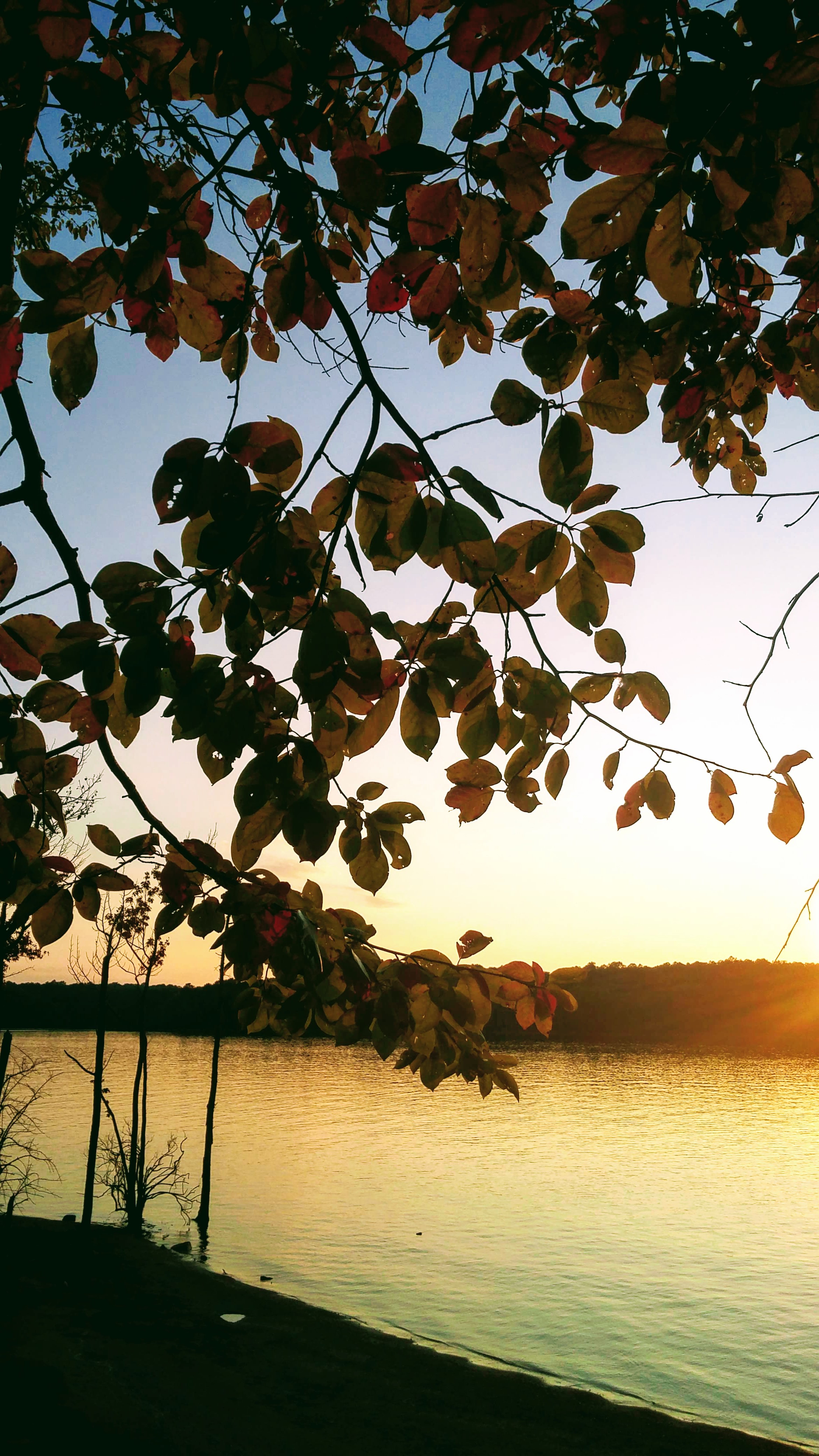
Now where?” we both wondered after two days in a holding pattern awaiting updated news. Staying inland due to coastal destruction, we followed I-85 south to Kerr Lake SRA located at the top of North Carolina. There were seven state parks to chose from the 850 miles of wooded shoreline. From our campsite at Satterwhite Point we kayaked secluded coves inhabited by egrets and herons. The music of dancing waters lapped the shore; a sailboat glided downwind, its colorful spinnaker billowing; songbirds harmonized beneath a cerulean sky. I breathed in the pine scent and the peace.

Venturing to the southern borders of N. Carolina/S. Carolina, we discovered hidden among the farms, quaint Carroll Woods RV Park, situated within the vineyards of Grapefull Sisters Winery. A perfect combination, which I hear is becoming popular across the country. One day we toured the 1940s Battleship NORTH CAROLINA in Wilmington—all 728-feet of her, on multiple decks, from the bridge’s chart-house to the depths of the steamy 90+ heat of its engine rooms.

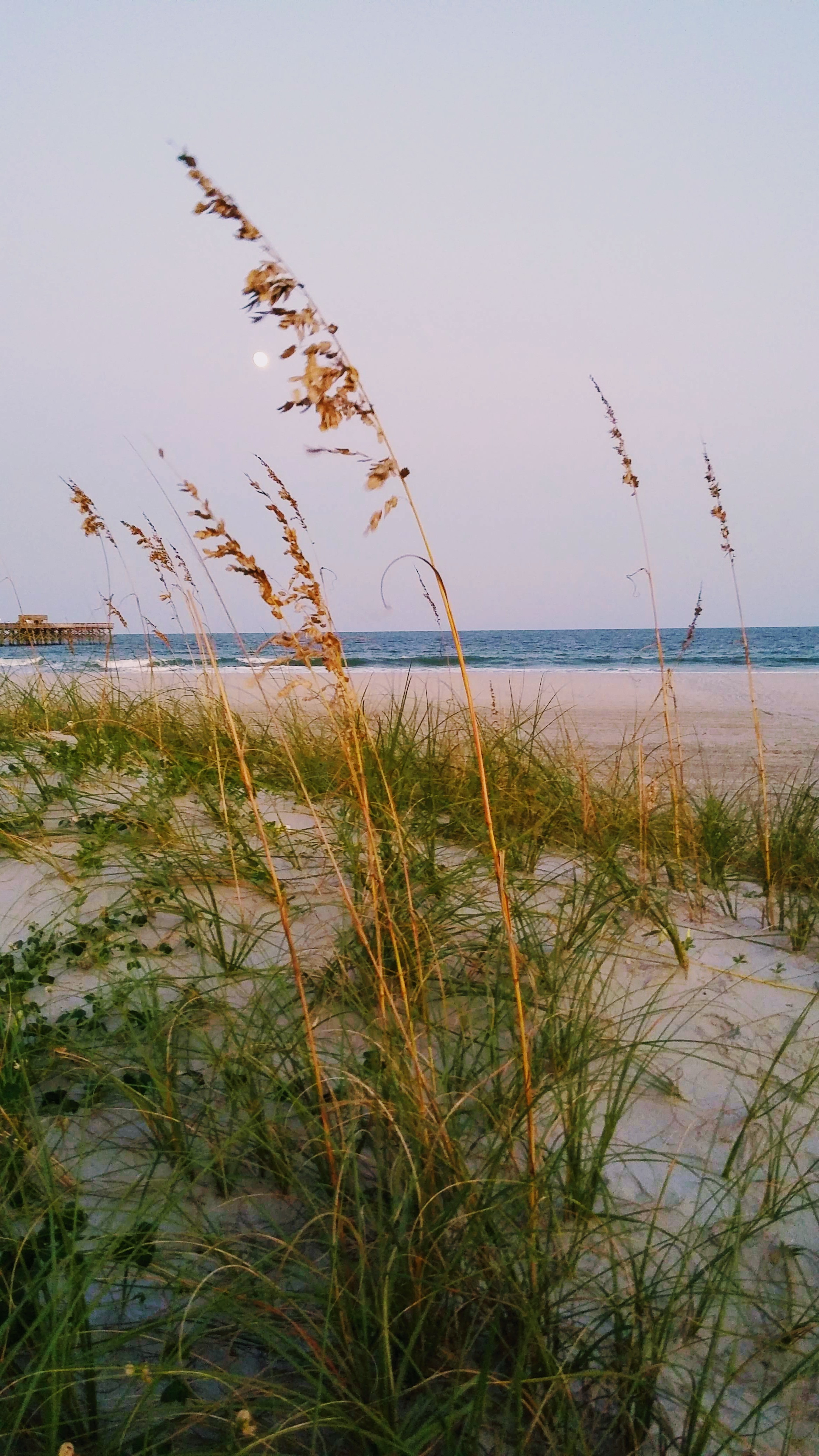
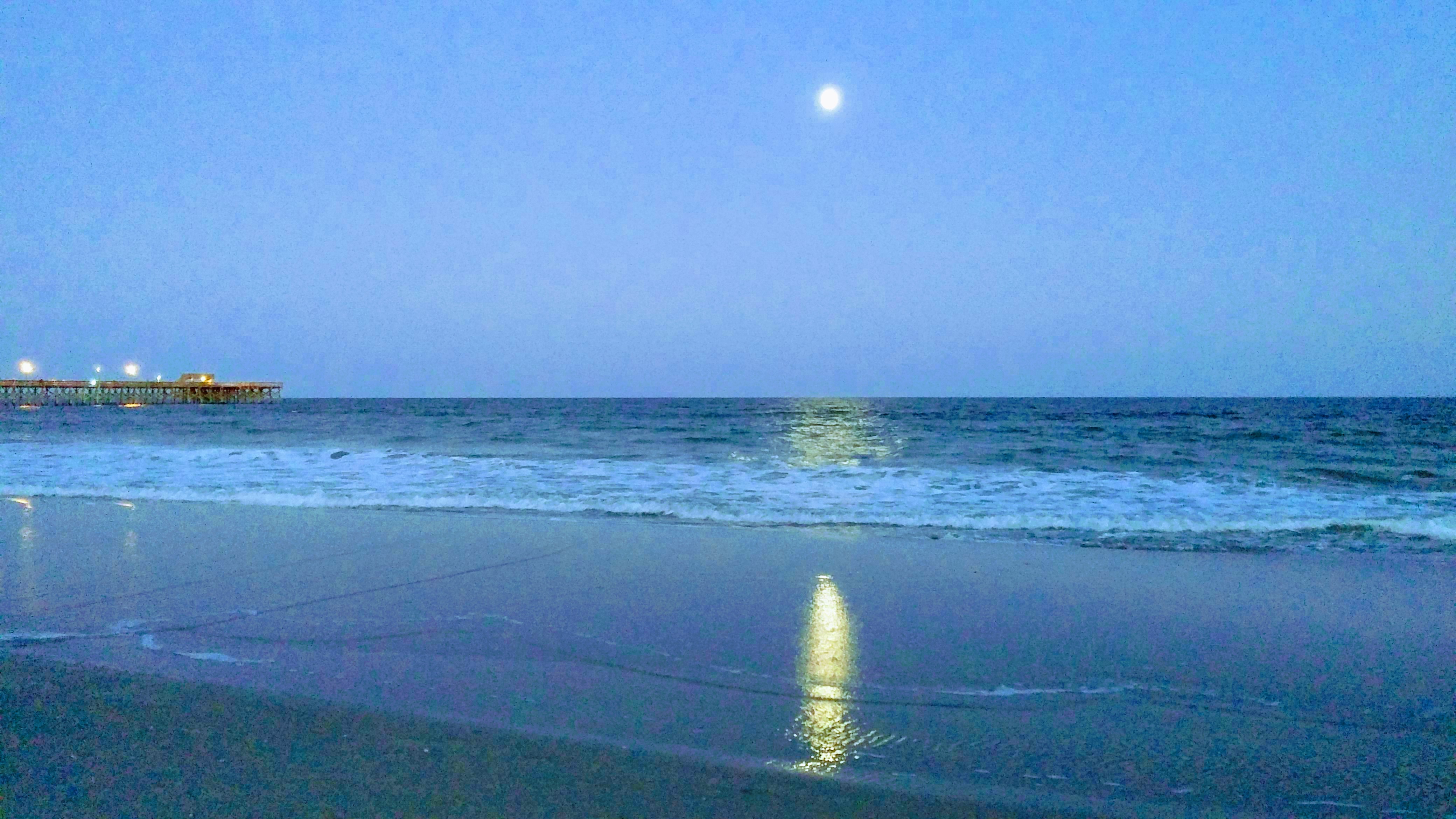
Apache Family Campground in Myrtle Beach, S. Carolina is not off the beaten path! But the powdery sand was a mere 20-feet away over a short grassy sand dune. There were beach chairs at surf’s edge; walks on the long fishing pier; sunsets accompanied by a briny breeze; reflections of moonrise in the gentle swells.

South Carolina also gave us an extraordinary visit with cruising friends, Bill and Debbie off sailboat ROMANCE, whom we had met in the South Pacific. Not having seen each other in 20-years, it was quite the journey down memory lane! They live in Chapin on the shore of Lake Murray for half the year and cruise the coasts of western Malaysia and Thailand the other 6-months. While there we drove across to explore Dreher Island State Park which offers campsites, cabins, hiking, boating, and great fishing.

Our final stop was Harrison Bay State Park outside Chattanooga, Tennessee. There were shared meals, conversations, and music with long-time friends, Barry and Amy. and of course, more kayaking, cycling, and hikes.

I choose to be thankful for this interrupted trip which led to God blessing us with so many of his creations: the vast ocean, majestic mountains, abundant lakes and rivers, restful mornings, tranquil sunsets, and best of all—reuniting and having extra time with friends.

Interruptions. They can bring upheaval and frustration. But God often interrupts our journeys by offering a divine invitation to be part of something more“—The Interrupted Life by Priscilla Shirer

Friendships Along the Journey

“Good company in a journey makes the way seem shorter”

Izaak Walton

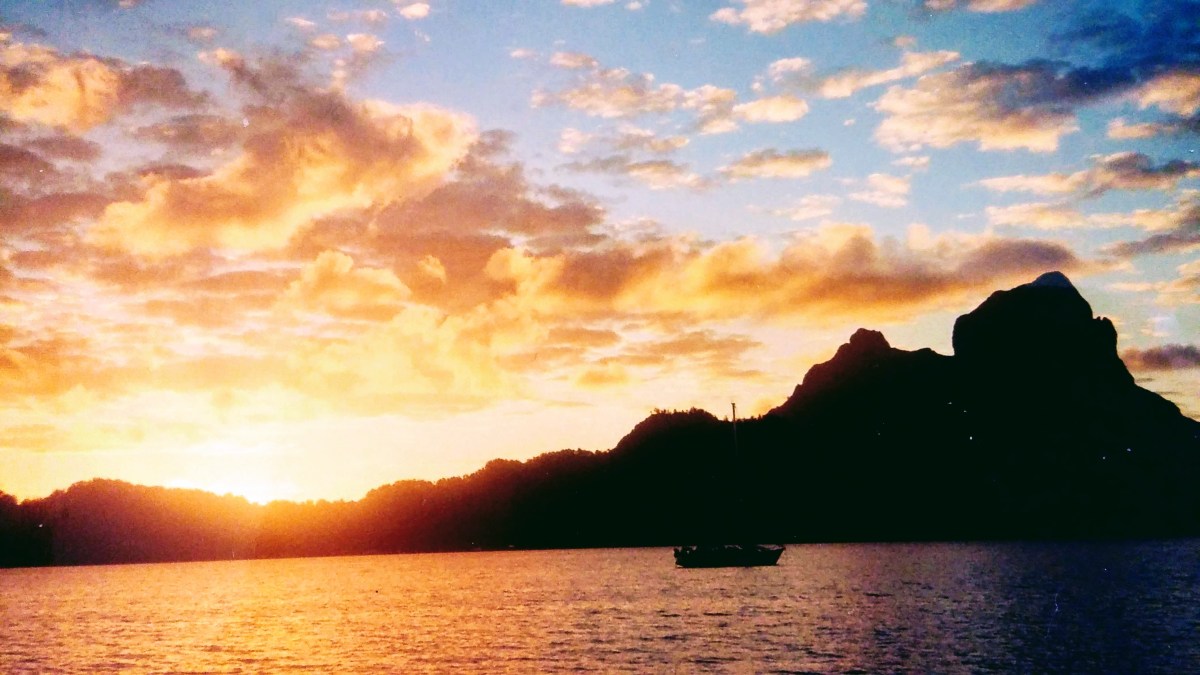
I kept a diligent watch for uncharted coral heads as Jerry steered White Dove through Te Ava Nui Pass into Bora Bora’s variegated blue lagoon. Romance, Escapade, and Holding Pattern sat at anchor near the yacht club, awaiting our arrival. Checking in on the Seafarer’s ham radio net while crossing the Pacific from Mexico to French Polynesia, we had become acquainted with several sailors all following the Coconut Milk Run. Each landfall brought reunions with these surrogate families, sharing adventures, assistance, potlucks, and holidays , so far from home.

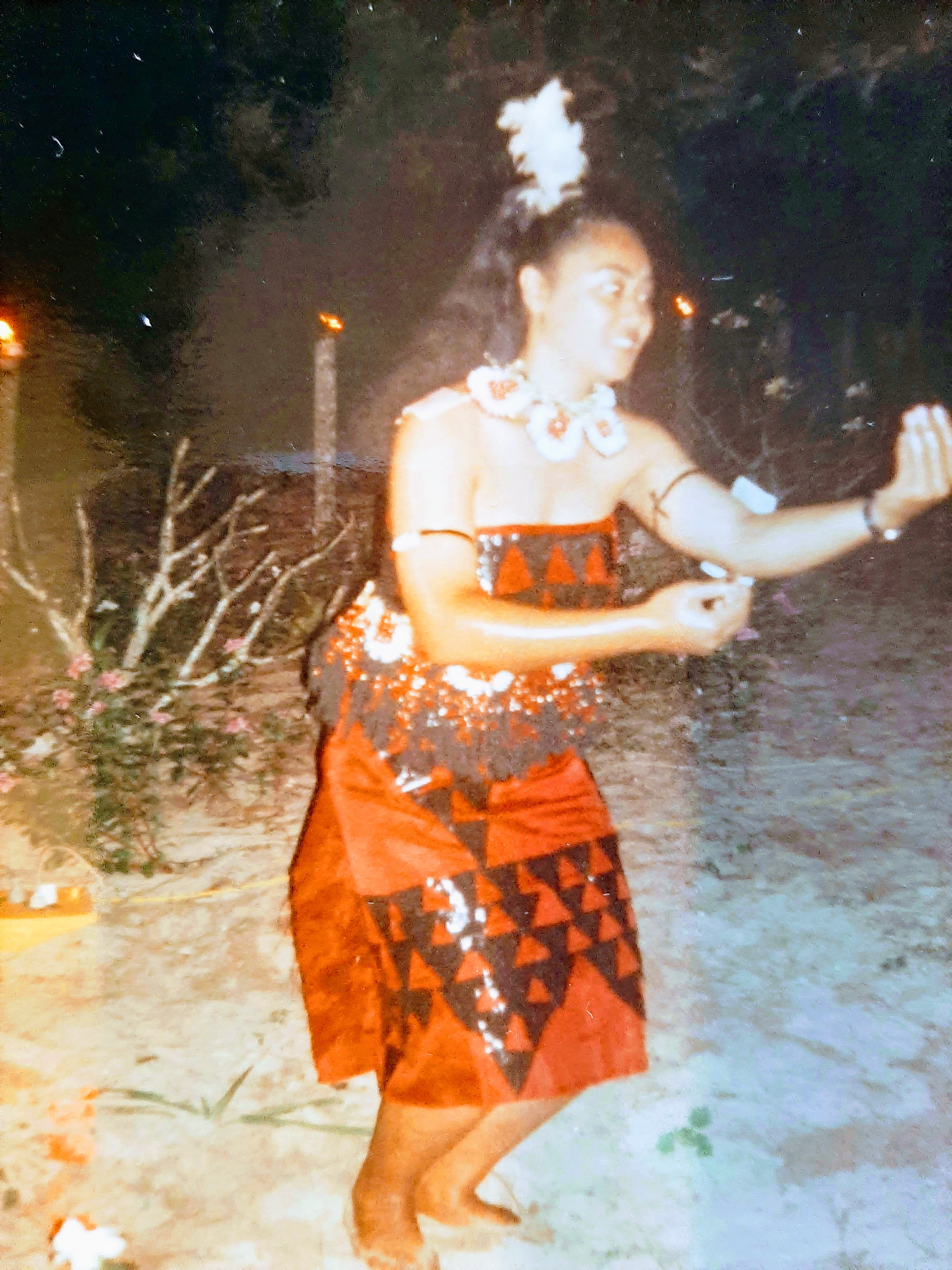
Enchanted starlit evenings with the rhythm of drums and melodious swell of Polynesian voices drew us ashore for singing and dancing competitions. Fete was in full swing. Children from five to eighteen, wearing colorful hip-hugging skirts and flowered belts with matching tops, performed first. Leis and heads adorned with flowery wreaths swayed to the music, hands telling the history of these ancient seafarers. Another night tall, tattooed men, bare chests glistening, stomped to the beat of several toeres-hollow wooden drums. It was the Tamure, a fast, erotic dance that quickened pulses. Females wore elaborate headdresses woven with feathers, shells, and flowers above their waist-length dark hair. Brown eyes and full lips smiled warmly as they danced to more complex choreography—hips rotating, long grass skirts swishing, hands weaving intricate patterns.

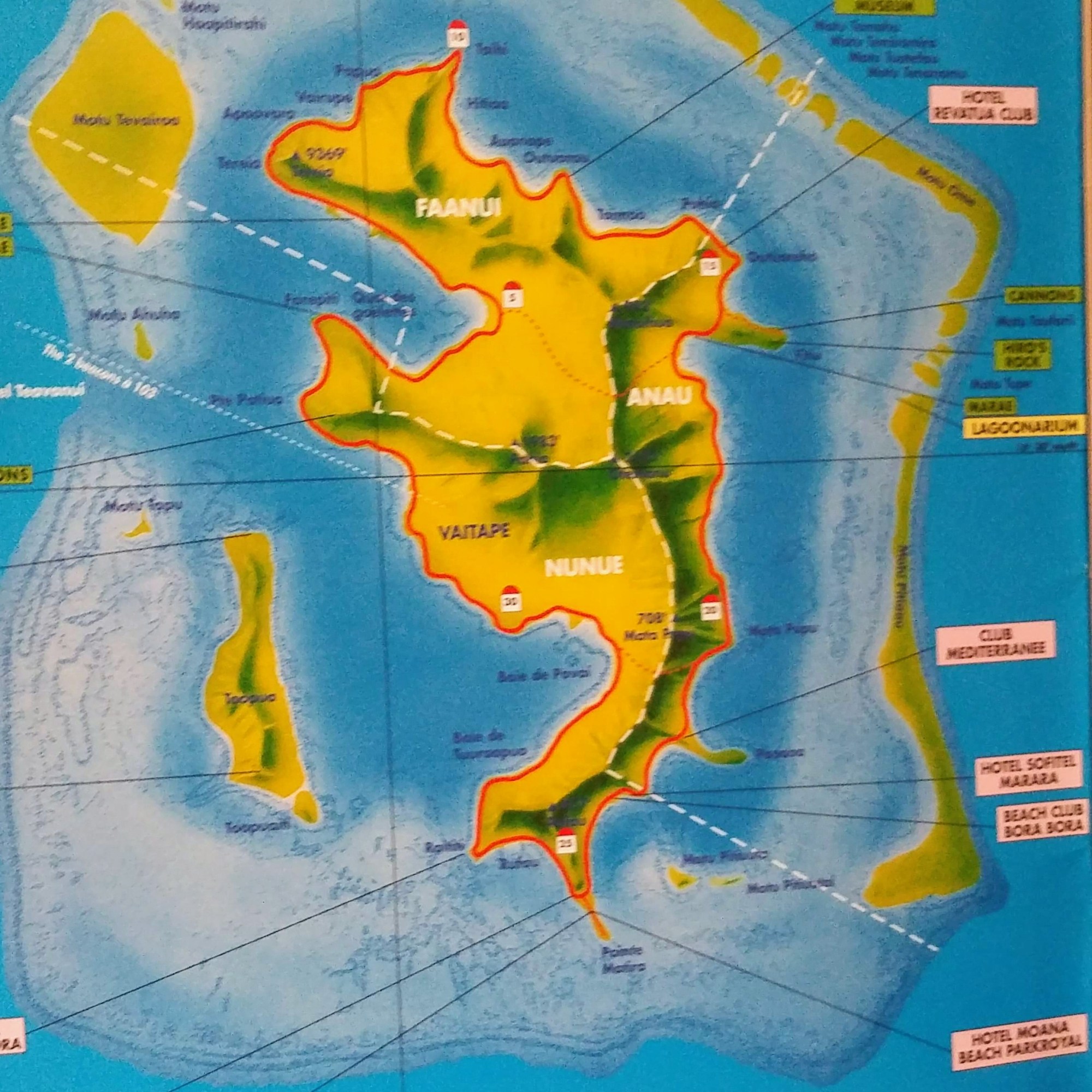
A group of us cruisers delighted in a day of cycling the 32-kilometer level road encircling the main island. Breath-taking views of the twin basalt peaks soared above. Inland slopes and valleys blossomed with hibiscus and bougainvillea. Among our stops were:

American Naval guns left from the WWII base fascinated the guys.

—Intriguing maraes built from coral slabs and basalt rocks. These open-air grounds were mainly reserved for religious ceremonies, but also marriages, war councils, peace treaties, and more. Occasionally human sacrifices of captured enemies were performed on the ahu-the temple platform. Thankfully these practices ended with the introduction of Christianity in the early 1800s.

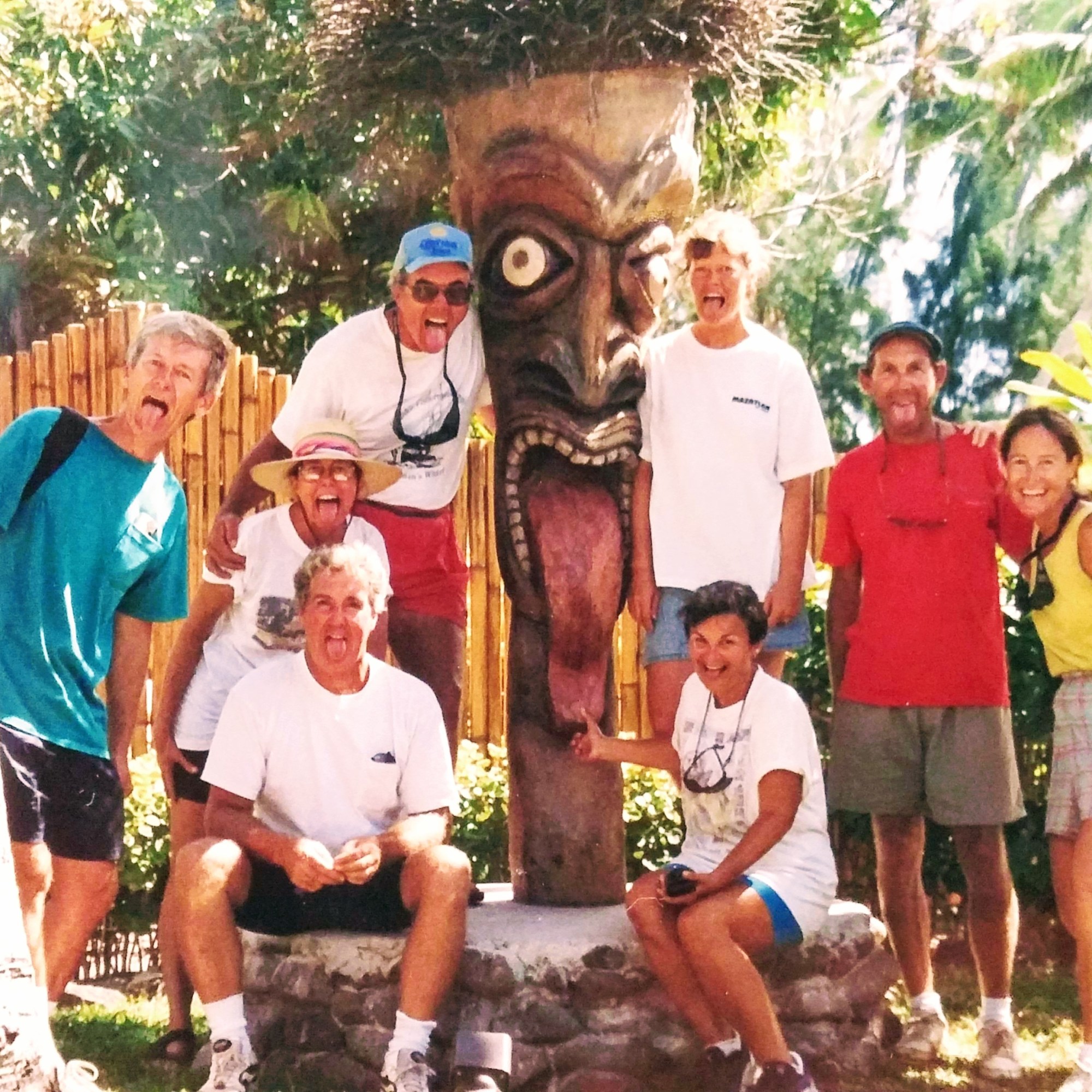
—Cheeseburgers at infamous Bloody Mary’s accompanied by American 60’s music. Dirt floors, a thatched roof, sink and urinal waterfalls, and tall carved tiki heads enhanced the ambiance.

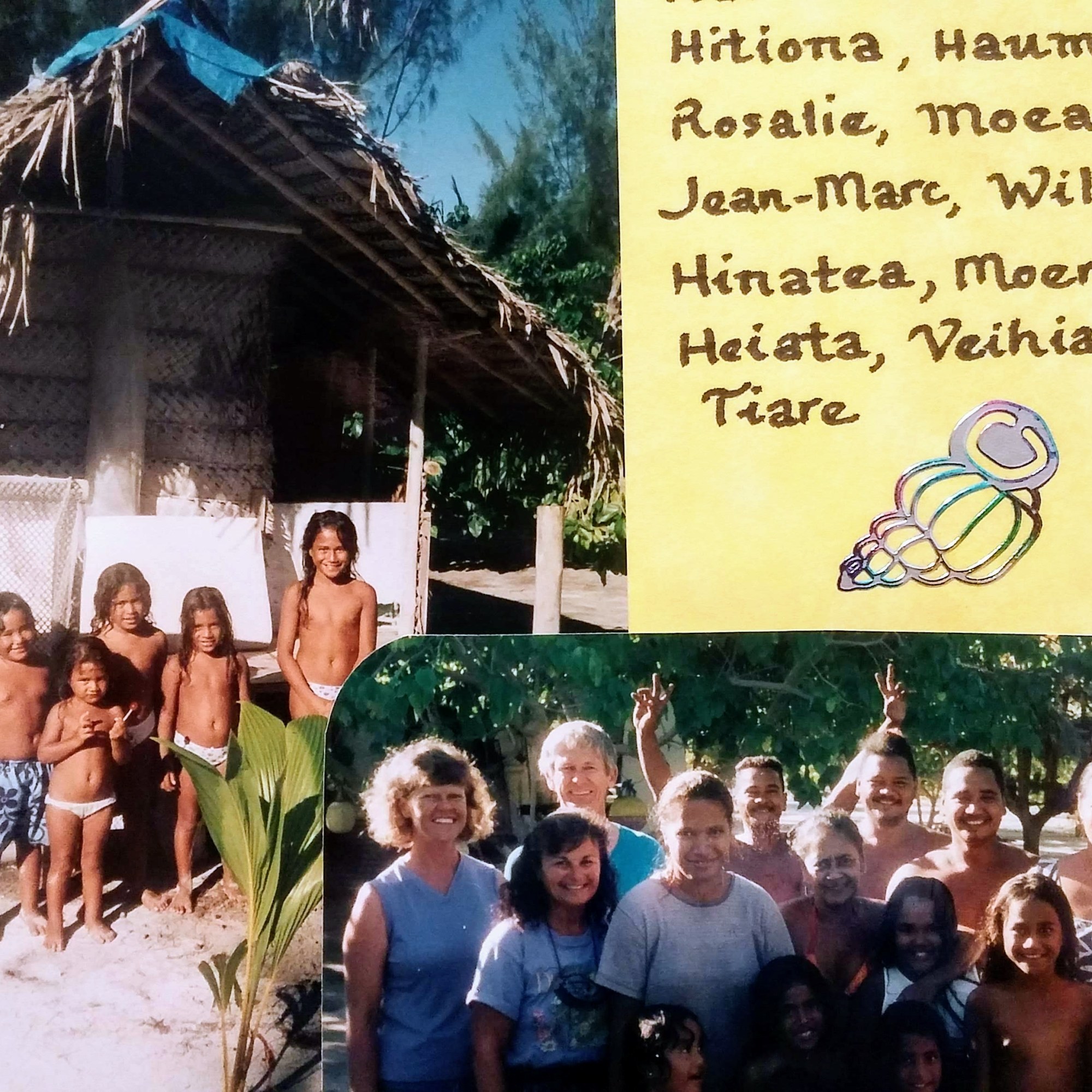
Several days were spent anchored in 10-feet of swimming-pool water at secluded Motu Pitiaau. This narrow reef islet sits atop the atoll surrounding Bora Bora. Churning ocean lies on one side, the peaceful lagoon on the other. While strolling the beach we met a welcoming family living among the coconut palms in weathered huts. Hitiona invited us to sit, introducing his wife, Haumata, plus several children and grandkids. Communication was a mix of broken English, smattering of French and Tahitian, and lots of charades! In our many visits together, we exchanged small toys, candy, and school supplies for coconuts and fishing lessons on the reef using a harpoon, plus observing their free dives for octopus, shellfish, and crabs. Life is primitive, simple, and isolated, although some young adults move away to attend college.

A captivating day of snorkeling the Aquarium, located at one end of the motu, will not be forgotten. A slow-moving current wound us through tight valleys, passing coral forests of many shapes and colors, dazzling fish who swam up to our faces, and fat purple starfish with orange spikes. The experience transcended my imagination. I wanted to laugh out loud—not a smart idea underwater! While embraced in the ocean’s warm womb, I reflected on all the people God has gifted into our lives. Wonderful friends from home we are missing; cruising friends that share this unique period of time with us; new friends from diverse cultures who teach us so much about the world and ourselves. The places we have visited are remarkable, but the charming, generous people we have met are truly what the journey is all about.


The Cruiser’s Life

Cruising, where we meet new friends
Potluck parties are the trend
Awaiting letters old friends send
Oh, it’s the cruiser’s life for me

Snorkel, cycling, watch the whales
Music jams and hike the trails
Up the anchor, raise the sails
Oh, it’s the cruiser’s life for me


The Heart of Paradise

Winds whisper legends through narrow valleys;
Shadows glide along jungle-clad hillsides;
Shades of green climb steep slopes to volcanic spires.
The "Yosemite" of Polynesia, where harmonious voices
drift across the bay, lulling one to sleep.

Cook’s Bay, Moorea—The 10-mile passage across Sea of the Moon delivered us from the chaos of Papeete in Tahiti to this blue-green lagoon where only nine sailboats lay at anchor. Snorkeling the reef by the pass refreshed us after a morning of chores and projects. Neon angel and parrot fish zigzagged among the purple and pink coral garden. We floated within its silence.

Next day a “supposedly” easy hike morphed into a 4-1/2 hour expedition. We clambered up and slid along a twisting, muddy mountain trail, dwarfed by humongous ferns and moss-coated tree trunks, using banyan roots for steps and handrails. Red dabs of paint sporadically marked the path, more imagination than reality. The great adventure terminated in the tiny town of Vaiare where coconut ice cream cooled our sweat-soaked bodies. We were blessed to catch a ride back to the boat on Le Truck, the local bus.

One day we rowed ashore bringing fold-up mountain bikes. Fragrant frangipani, white tiare bushes, and multi-colored hibiscus lined the paved road along the island’s perimeter. Guava, mango, and coconut palms grew amidst the splendor around every curve. The cerulean sky provided a backdrop for craggy peaks and tranquil bays. Wandering the grounds of a resort, we discovered a “Yellow Submarine”! It was used for tourist excursions around the reefs for those adverse to getting wet. Enjoyed a dolphin show, but empathized with these playful mammals held captive instead of swimming free in their beautiful ocean, just yards away.

Belvedere Lookout, on one of our final days, presented an enchanting view of Cook’s and Opunohu bays, both encircled by lush mountains on three sides. The hike was 14-kilometers, but partially-paved streets graced us with a gradual ascent, plus a kind islander drove us a short portion.

On Moorea, as at most previous stops in French Polynesia, we are continually greeted with “Ia Orana” or “Bonjour” by friendly locals. Life is simple and slow on this Society Island, tempting us to linger a few more days or weeks. But there are more islands to explore and a limited time before hurricane season hits. Also, Polynesian melodies rising from the church remind us that La Fete is drawing near. The 14-day holiday celebrates Bastille Day. People gather from all over French Polynesia for singing and dancing competitions. Our plan is to be in Bora Bora for the festivities.

I glimpsed a small slice of heaven on earth while in Moorea. Yet our heavenly home will be so much more—beyond our limited imaginations. In the meantime, I hope each of you discovers your own piece of paradise here, while awaiting our eternal home…where the true adventure begins.

Then I saw a new heaven and a new earth, for the first heaven and the first earth had passed away, and there was no longer any sea. I saw the Holy City, the new Jerusalem, coming down out of heaven from God, prepared as a bride beautifully dressed for her husband. Revelations 21:1-2