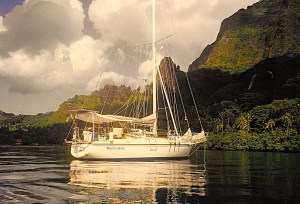
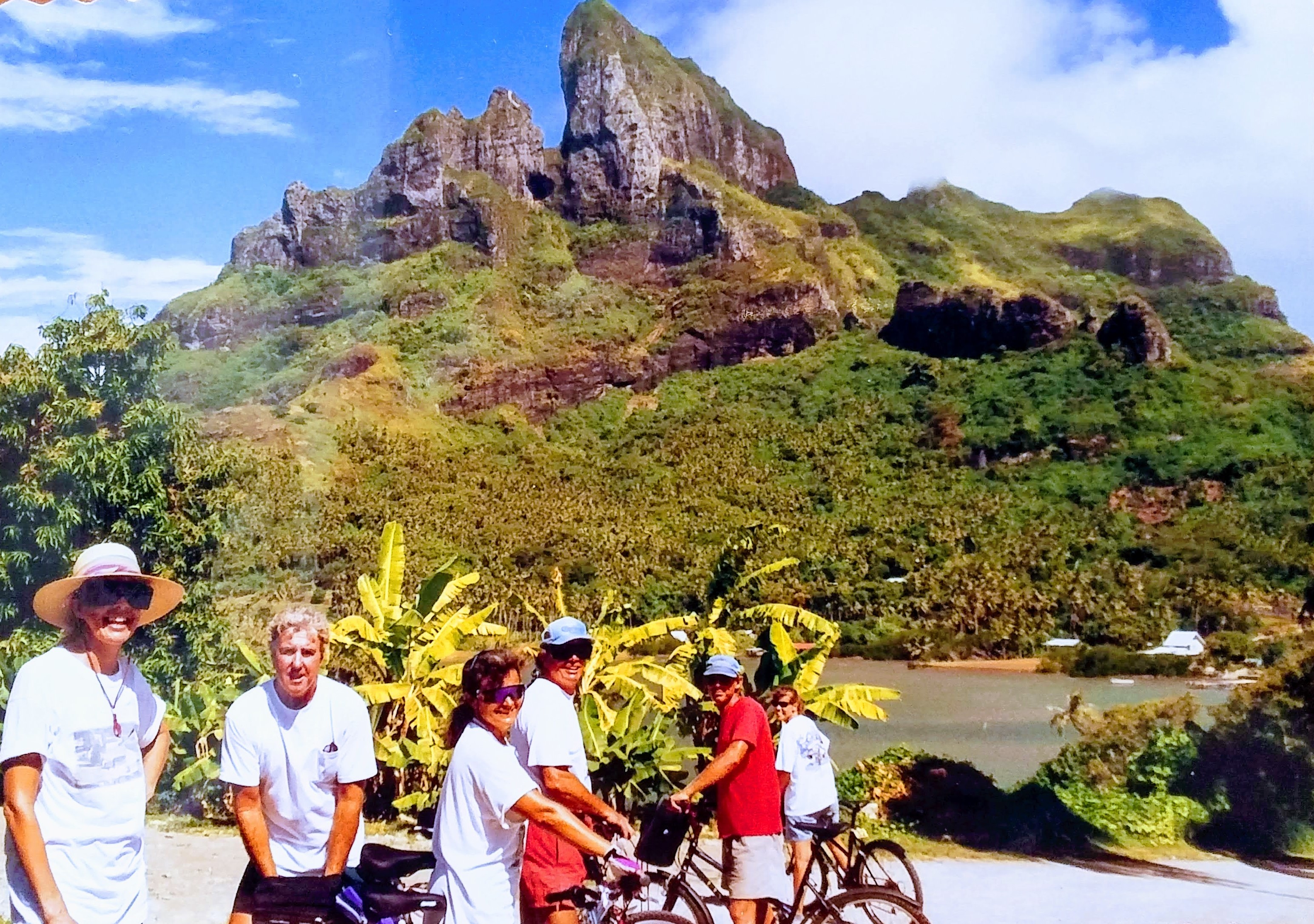
Although Colors of the Ocean is fiction, several locations within the story are actual places we visited during our 3-year voyage around the world in our sailboat. As I reread my trip journals and paged through photo albums, it made me realize how important it is to record events in our lives. Those tangible items share details of moments that can spark memories which may be accurate or a bit off the beam. As I wrote my book I found great pleasure in reliving portions of our cruising days, sometimes surprised by things I’d forgotten, and a few times grateful I was no longer going through those experiences!
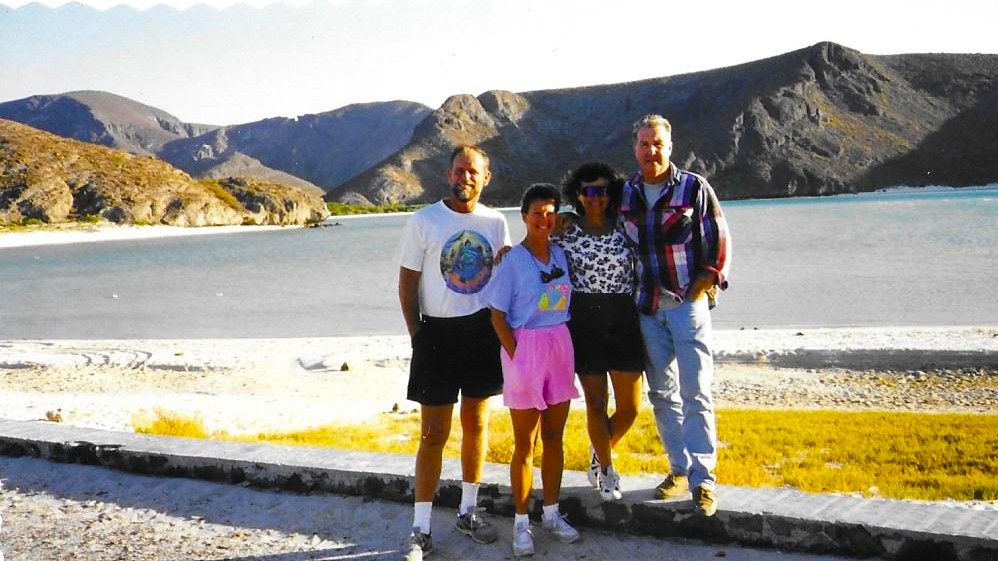
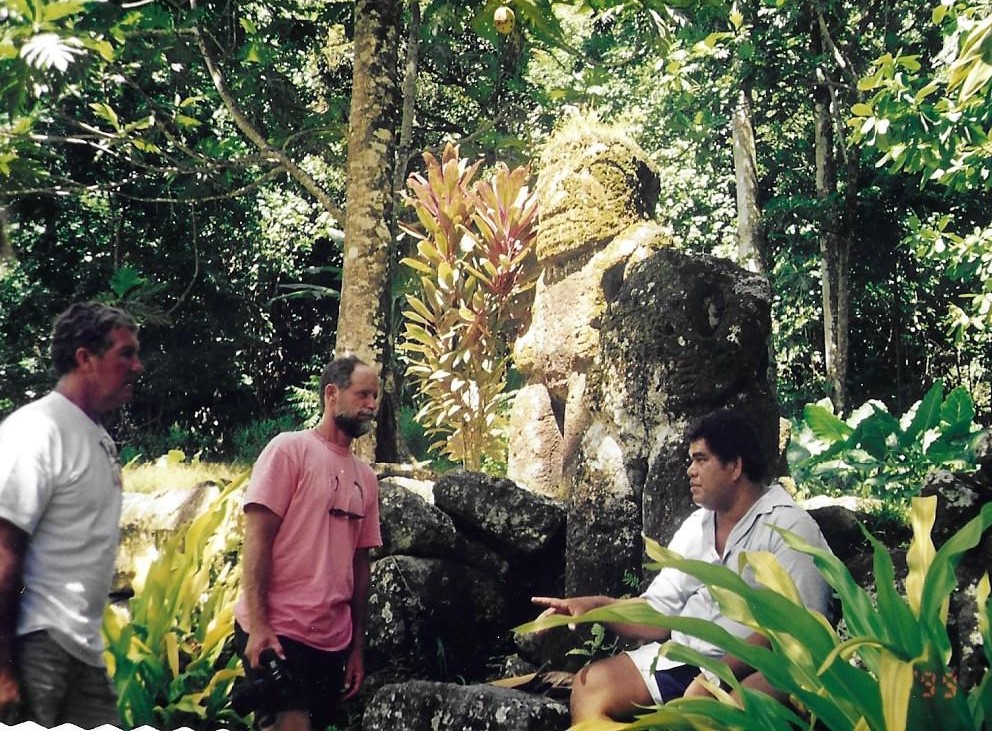
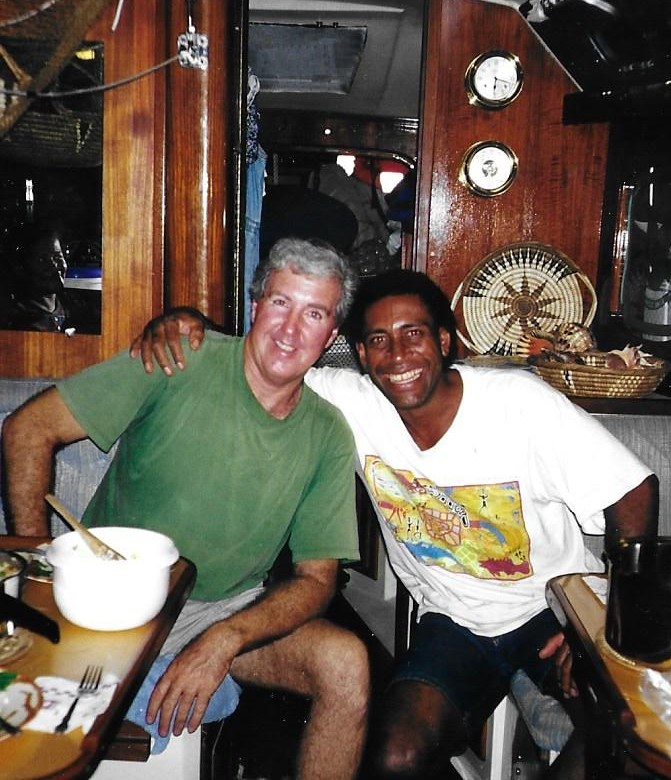
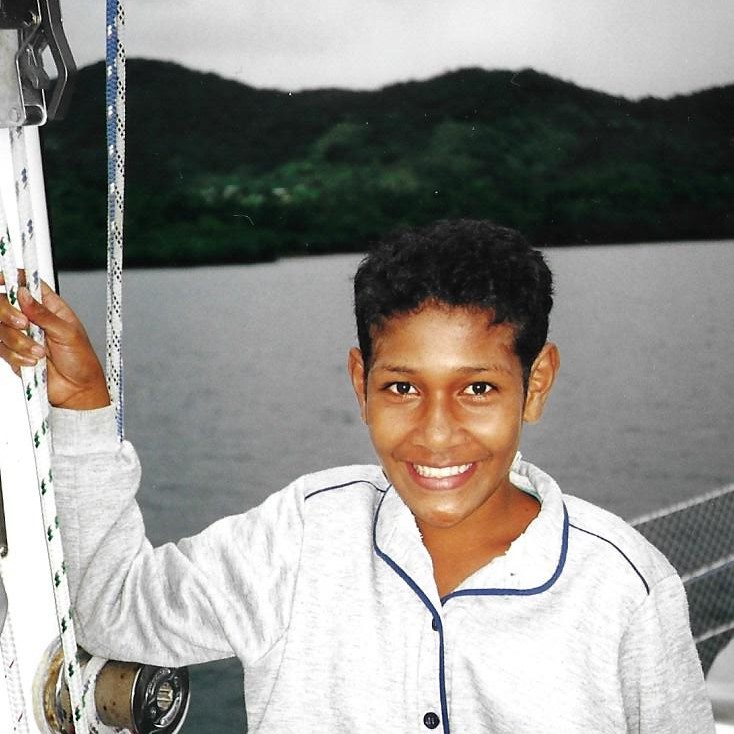
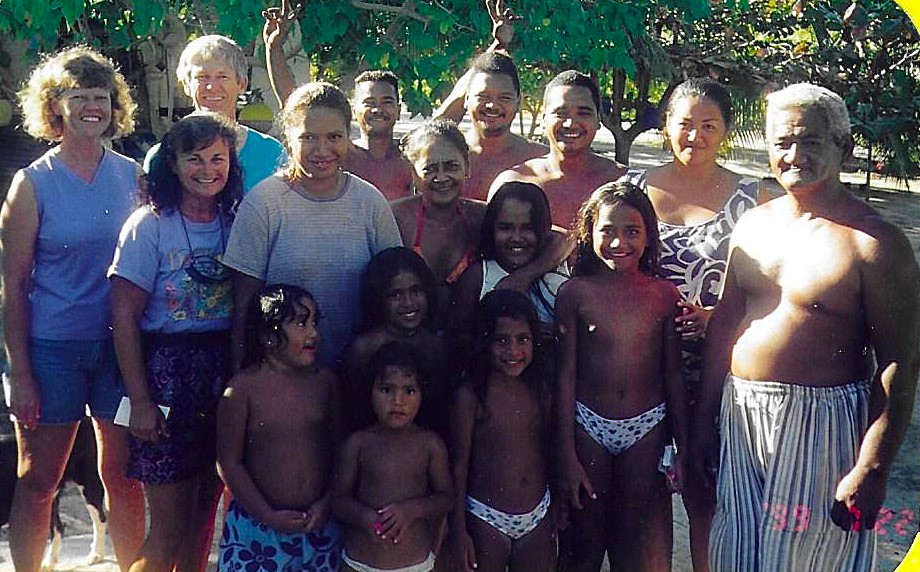
However, my favorite memories from all those adventures were the people—sailors from all walks of life who became part of our cruising family; and immersion into the cultural diversity of Mexico and each island country. What I loved most about everyone we met was their kindness. We might speak different languages, eat different foods, and dress differently, but we were always greeted with warm smiles. Several times we were invited into a family’s home for a beverage or meal, or to attend their church or local festivities. They loved sharing, no matter how little they had and were content in their quiet, less complicated lives.
Those days that we dwelled among the island people gave pause for contemplation—for what was really important and for our purpose in life. It all really came down to one thing. Love each other. If enough people would do small acts of kindness, we could all make a huge impact in our world.
We can do no great things, only small things with great love
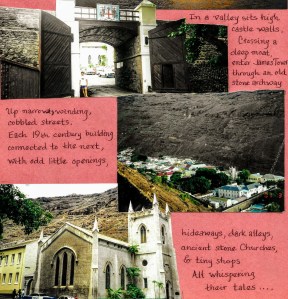
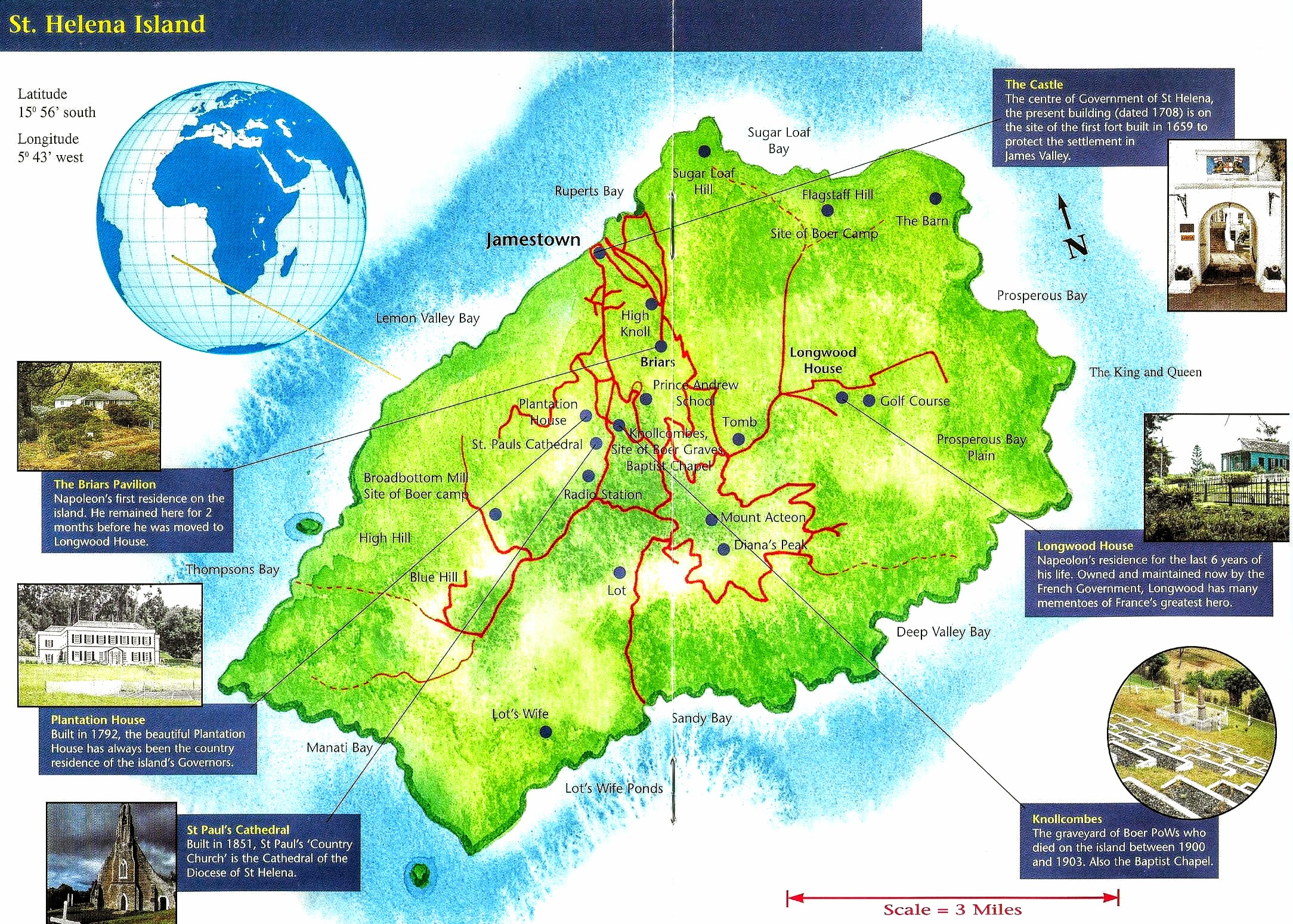
Cape of Good Hope, also known as the Graveyard of Ships, became a distant memory along with prayers of gratitude for light-moderate conditions as we spent the next 14 days sailing 1,500 miles across the South Atlantic. After anchoring in James Bay, Jerry and I dinghied to a high wharf and walked into a history book. Castle ramparts kept guard as we crossed a moat, scampered beneath an old stone archway, and entered Jamestown.
Winding cobbled lanes were lined with 19th century establishments and tiny shops, all scrunched together—except where odd little openings and shadowed alleys beckoned with anecdotes from the olde world. Locals welcomed us with smiles and greetings as we made our way to eat at Anne’s Place set in the Castle Gardens. Amid the endemic flowering ebony plant, pines, ferns, and other colorful foliage, we dined on fishcakes, although the pumpkin stew sounded interesting. Over lunch we ruminated about some of the famous visitors over the centuries who traversed this intriguing land—Naturalist Charles Darwin, astronomer Edmund Halley, Captain William Bligh (think Mutiny), explorer James Cook, and exile Napoleon Bonaparte.
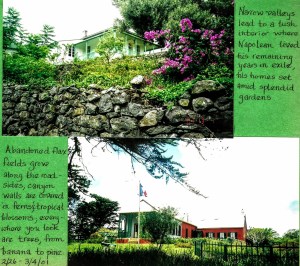
The following day we rented a car and toured the 47 square mile island with cruising buddies. Zigzagging our way along narrow roads and through quiet tidy villages with beautiful gardens and groves of mango and avocado trees, it was a surprise to observe so many contrasting environments. Hilltops surrendered vistas of verdant valleys and abandoned flax fields peppered by volcanic slopes where jagged monoliths sat in watchful quietude.
Within the lush interior we encountered Napoleon’s final homes—a far cry from his lavish lifestyle, pomp and circumstance, and battle cries. For two months he resided at the Briars before moving to Longwood House. Set among splendid gardens of bougainvillea, tree ferns, and tropical blossoms, the home contained French Provincial furniture, artwork, and memorabilia. It may not have been a palace, but his remaining six years were spent in simple comfort. Bonaparte chose to be entombed by the whispering waters in Geranium Valley, although France interrupted this peaceful slumber when they moved his remains back to Paris.
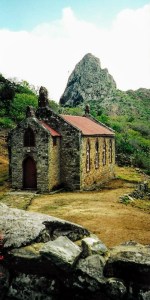
Moving on, we paused at 18th century forts,archaic stone churches, and along rocky paths that often led to unidentified ruins, wondering about the untold stories hidden beneath the rubble.
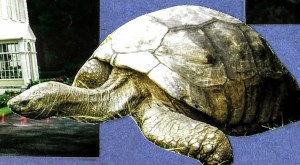
No visit would be complete without a stop at the Governor’s Plantation House to hang out with one-eyed Jonathan and other giant tortoises. Approximately 200 years old! He’s seen the upheaval of several governments, turmoil and heartache of wars, and gradual transformation into a peaceful country now under British rule. The tales he could tell—if only he could talk.
Along the coast near Jamestown bronze-hued cliffs, carved by centuries of crashing surf, are an impenetrable fortress with a 1,000 foot drop to the ocean. History seeps between the cracks of stone walls that line trails to ancient crumbling barracks and lookouts.
Huge cannons lay abandoned, reminders of wars fought and lives lost since the discovery of this island in 1502 by Portuguese explorers. Today one can gaze out to sea and not look upon warships, but whale sharks, humpbacks, and pan tropical spotted dolphins. Seabirds circle above, diving towards a flash of silver, a salty treat. If you’re lucky, you’ll catch a glimpse of the St. Helena plover, aka the Wirebird, due to its long wiry legs.
One final tidbit—Up until 2017 St. Helena could only be reached by boat. Now there’s been a new invasion, the modern world of commercial airlines and cruise ships. Hopefully the tourist industry won’t destroy the quaintness and tranquility of this island in the middle of nowhere.
History is a gallery of pictures in which there are a few originals and many copies—Alexis de Tocqueville, former Minister for Europe & Foreign Affairs of France (1805-1859)
Time is a relentless river. It rages on, respecter of no one. This is the only way to slow time: When I fully enter time’s swift current, enter into the current moment with the weight of all my attention, I slow the torrent by being all here. I only live the full life when I live fully in the moment—Paraphrased from “A Thousand Gifts—Ann Voskamp
Arriving in Mauritius at the end of October brought an unexpected pleasure—the Hindu Diwali Festival. Clay lamps flickered nightly, creating a mystical ambience to the aptly named, Festival of Lights. Dancers and singers entertained for 5 days. Even the Mauritius Police Band got in on the act, performing a mixture of traditional, American pop, and jazz. There was even tap-dancing and a little Sega—indigenous music, singing, and hip-swaying dances, derived from African slave days.
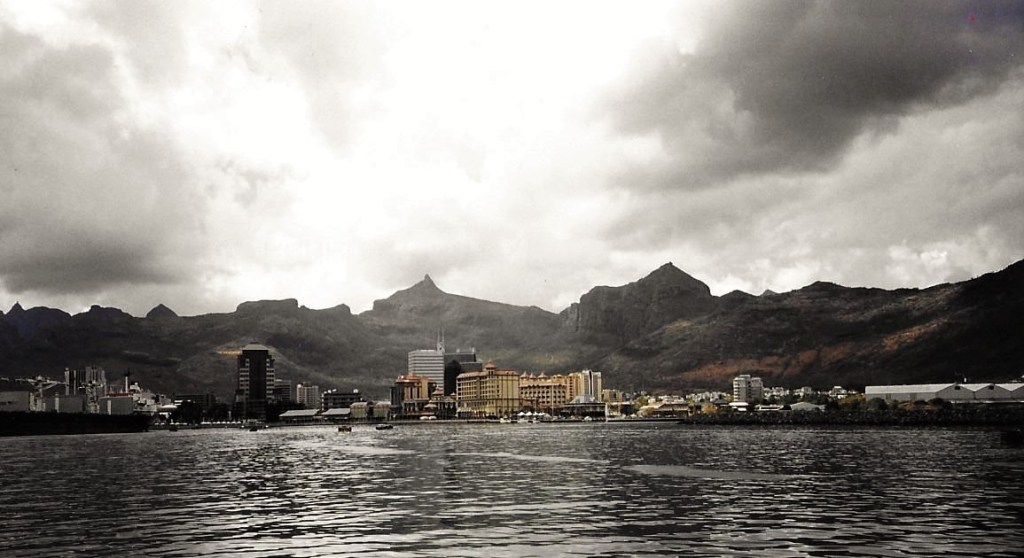
The sheltered harbor of Port Louis lay within a semi-circle of mountains providing a calm anchorage.
This capital and main port buzzed with traffic and people like a disturbed bee hive. But on the plus side, there were several charming 18th century French colonial buildings and a huge Central Market offered scrumptious fresh veggies and fruits. You just had to tolerate loud, obnoxious vendors jockeying to sell their wares. Within the chaos women wove through the hordes of shoppers balancing full baskets on their heads. One day of wandering led us past a strolling Indian wedding party. Attractive women dressed in gorgeous vibrant saris smiled shyly while their beautiful children stared inquisitively with humongous dark eyes. Men shook our hands, greeting us in French Creole and a smattering of heavily accented English, treating us like old friends, then passed out small individually-wrapped cakes.
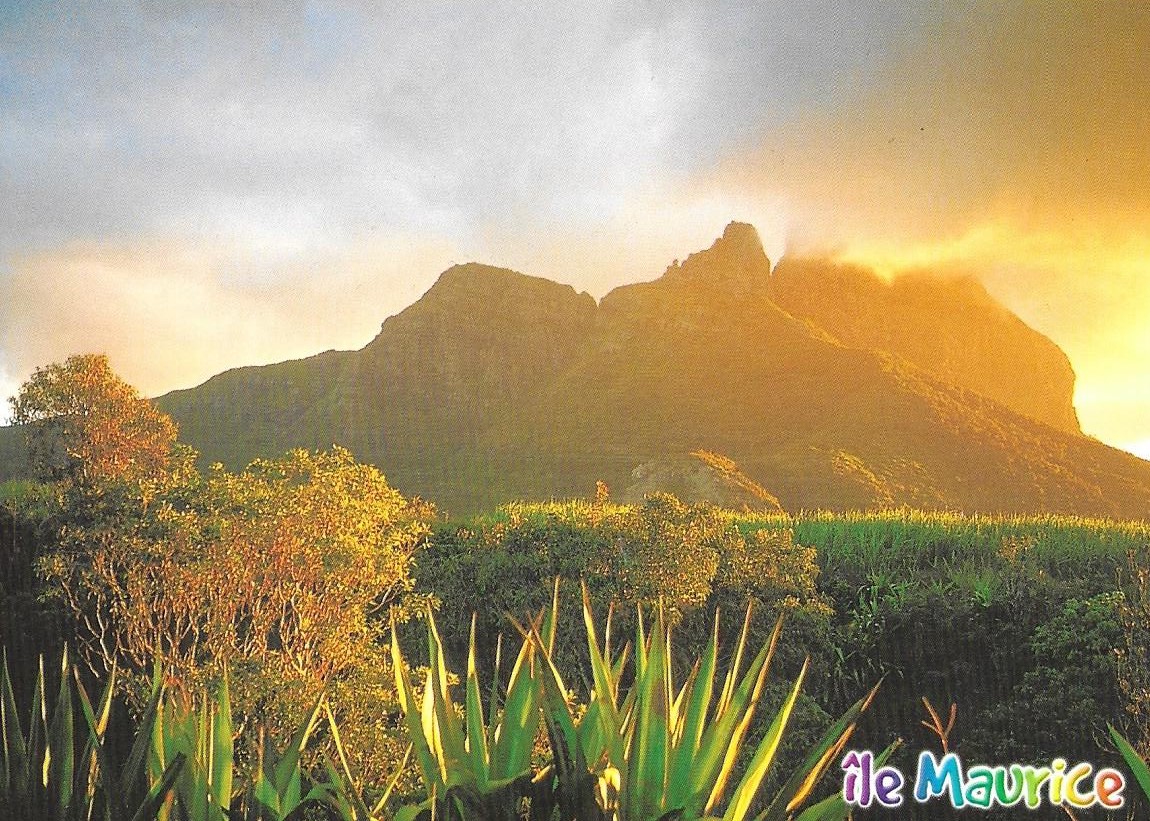
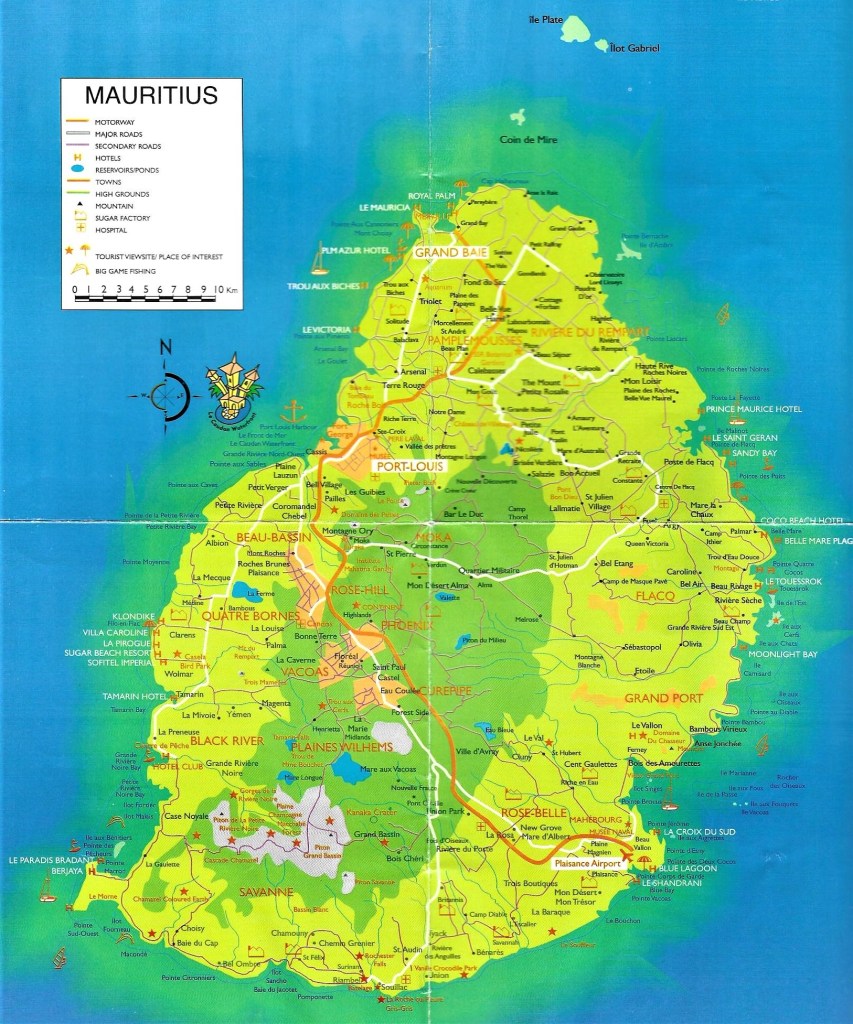
Although nights were pleasantly cool, days were hot and humid. We rented a car with cruising friends to explore the island. A layer of soot had covered our boat since arrival. Along our route we discovered the reason—burning sugarcane fields, preparing for harvest. The leaves and tops would be removed and only the stalk harvested. This island country, encompassed by spectacular coral, teemed with sea life within the reef and was a deep-sea fisherman’s paradise outside. Three rugged mountain ranges exhibited fascinating basalt formations, while a central plateau , crisscrossed by rivers, streams, and waterfalls, held an extinct volcano. There were also several nature parks, including Black River Gorges National Park for varied hikes and birdwatching.
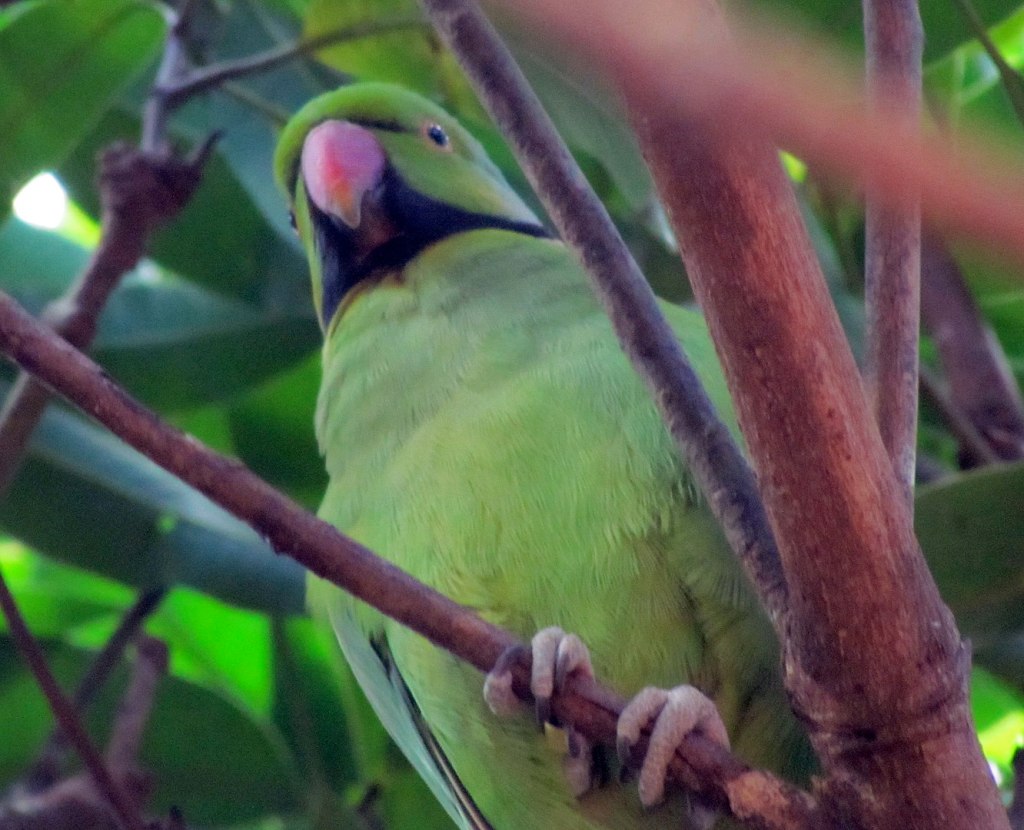
Echo parakeet-Josh Noseworthy/Wikimedia
Keep your eyes sharp for Mauritian pink pigeons, kestrels, and especially the rare Echo parakeets. Their vibrant emerald-green can blend into the foliage of the eucalyptus, palms, and pandanus. There’s also Pamplemousses, with world-renowned gardens of indigenous and exotic plants, including giant Victoria Amazonica water lilies and the Talipot palm which only flowers and fruits once in about 60 years…then dies!
Sprawling communities and plantations dotted the landscape with a mix of wealthy and poor, modern and traditional. Textiles were one of the main industries, but sugar, tea, vanilla, and flower plantations also provided jobs and goods for export. At Le Domaine de l’ Ylang Ylang in Vieux Grand Port, canaga trees produced yellow, star-shaped flowers which they distilled into perfumes and essential oils. Ylang ylang’s sweet floral fragrance had hints of custard, bananas, jasmine, neroli, honey, and earthy, and is used to combat depression, anxiety, and high blood pressure, plus stimulate hair growth and repel insects.
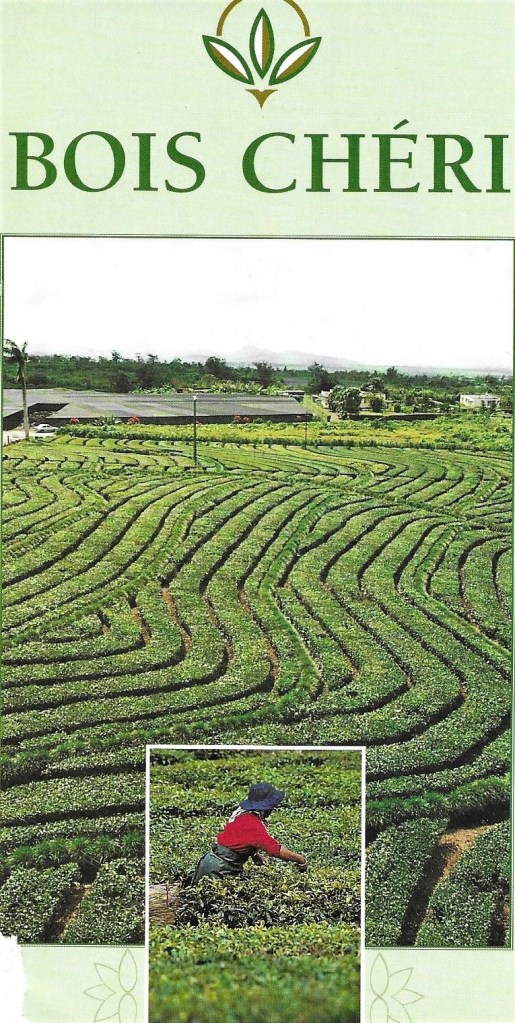
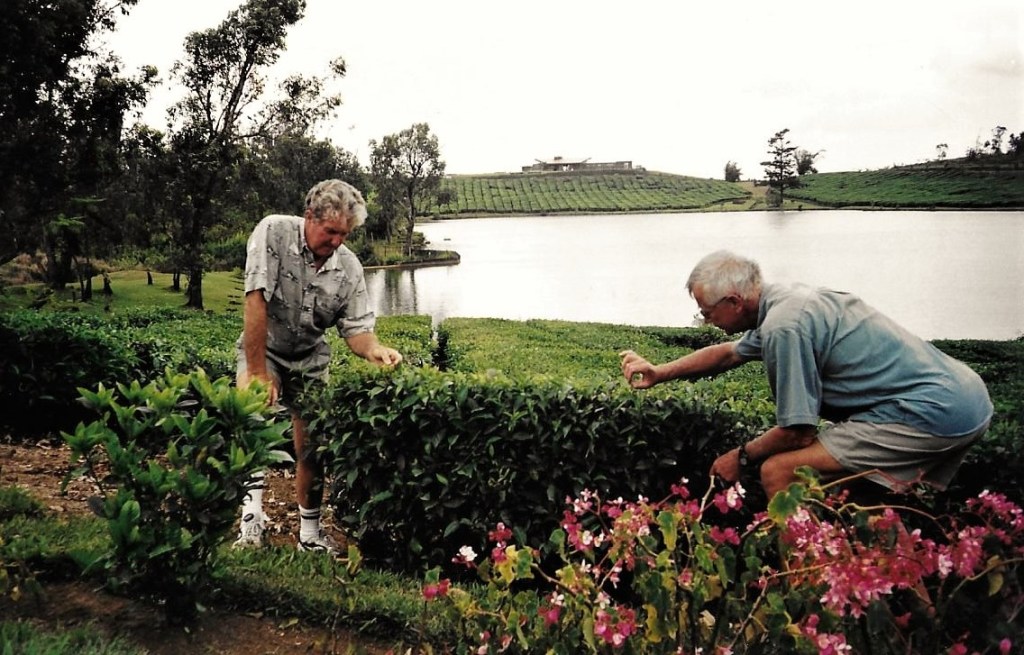
We toured this prolific tea plantation, including its museum and factory, to observe the step-by-step process of tea-making. Afterwards we savored tea and biscuits atop a mountain over-looking the plantation and its lovely lake.
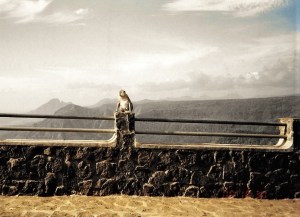
Stopping at a few of the many scenic lookouts, we were greeted by hordes of long-tailed macaques. These intelligent monkeys foraged among the trash cans, emitting high-pitched squeals when we didn’t contribute to their next meal. Not a good place for a picnic as they can get a bit aggressive!
We also passed vanilla plantations and anthurium greenhouses that thrived in the tropical climate. This gorgeous plant has bright-red glorified leaves with a yellow spadix. The spike is the actual flower. Who’d guess?
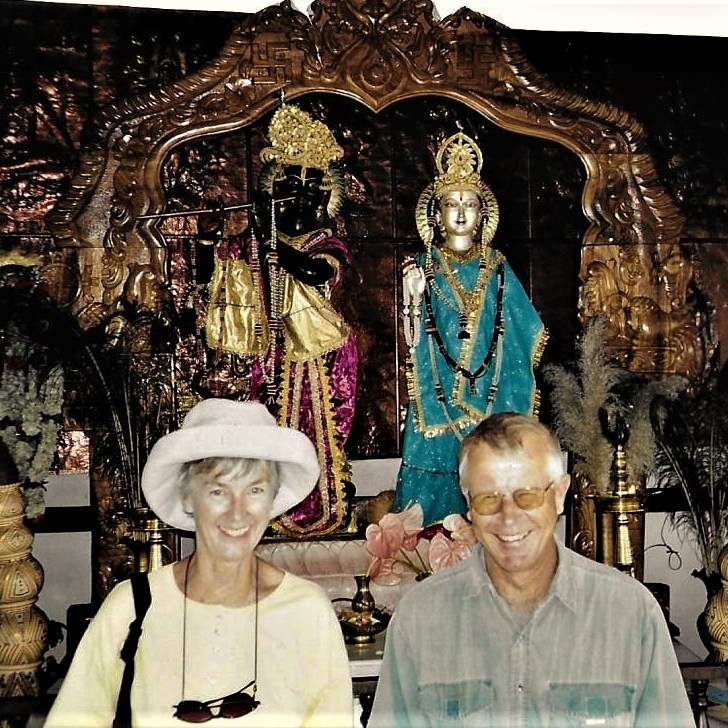
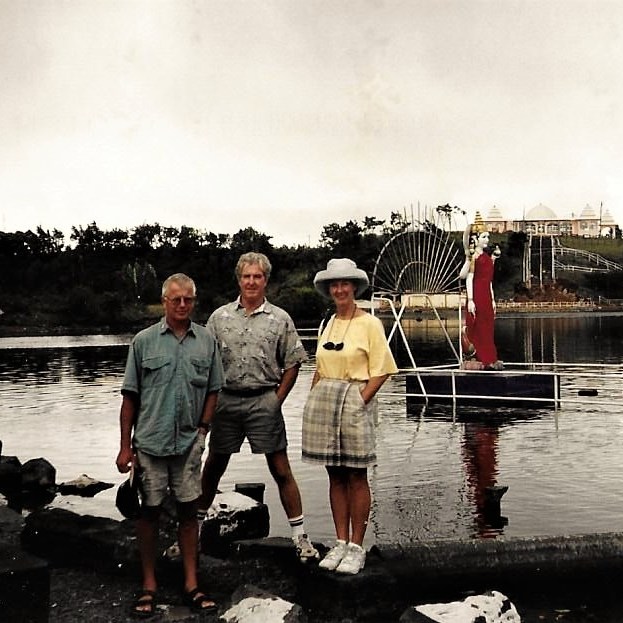
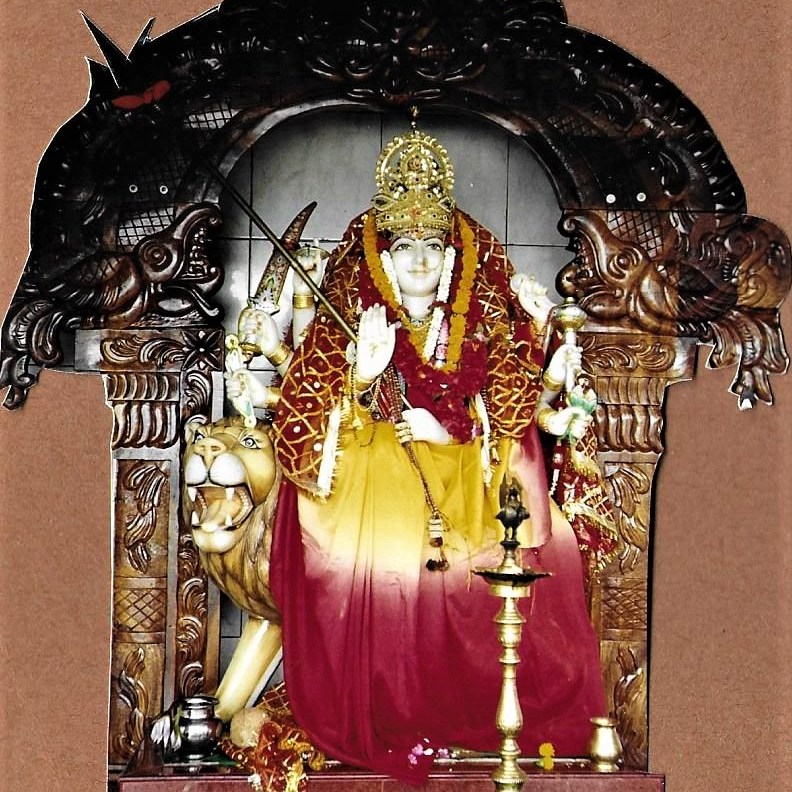
Grand Bassin—A Hindu holy place of pilgrimage. This natural lake, largest in the country, lays within a volcanic crater. Scattered among the paved walkways were elaborate shrines and glowing golden statues.
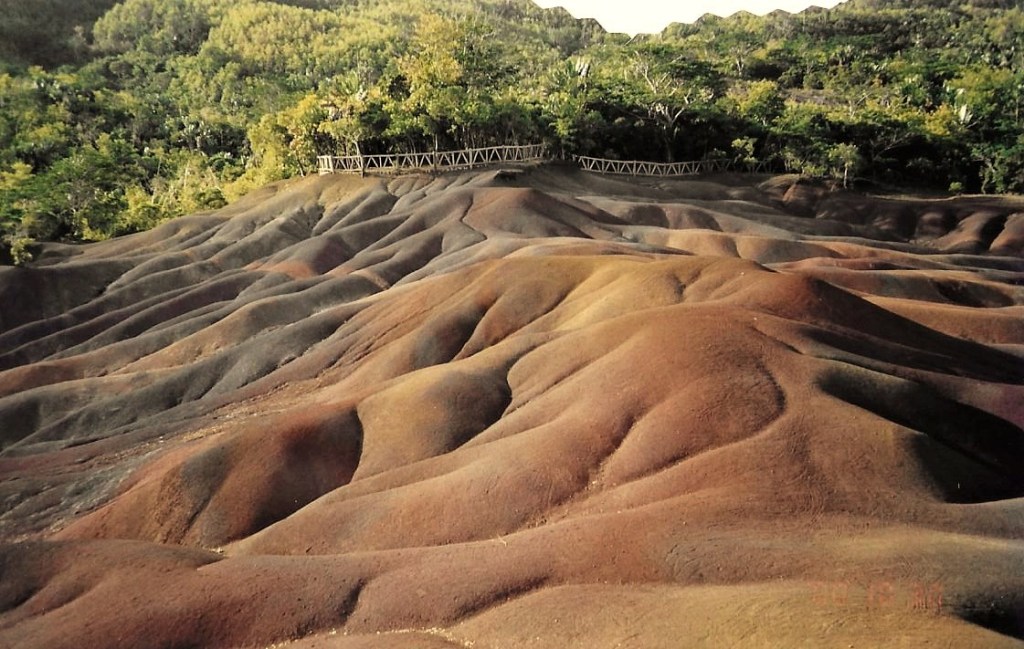
Last stop of the day was at Chamarel where we followed pathways among the Colored Earths, reminiscent of Arizona’s Painted Desert. The undulating layers of red, yellow,blue, and brown cast a subtle magic over the area. A nearby waterfall emerged amidst the moors and primeval vegetation. As the sun slowly sank, colors of the earth melted into purplish hues. A perfect ending to an amazing day in this little-known country afloat in the middle of the Indian Ocean.













 cheryldfitzgerald.com