The Great Barrier Reef—Part 2, Oz’s Wild Side

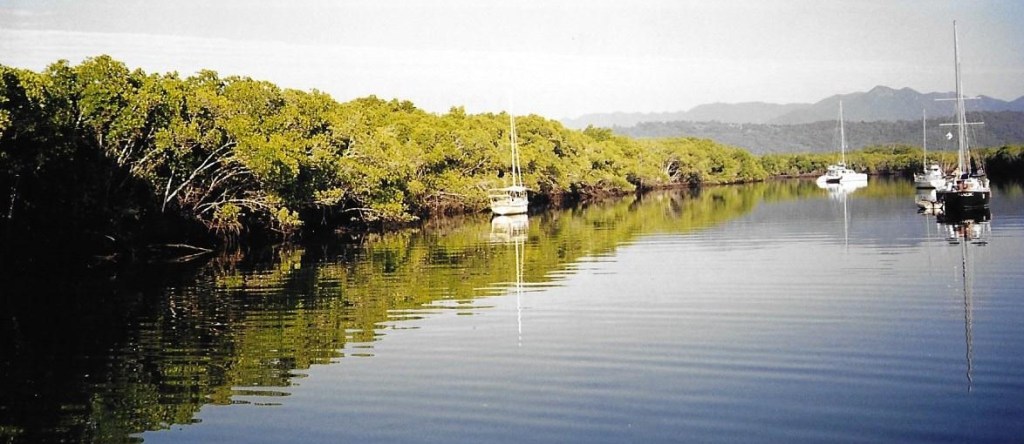
Gliding up Hitchenbrook Channel was like entering a Frederic Church painting. Crocodiles lurked amid thick mangroves, white ibis and blue heron swooped through treetops, and frothy waterfalls skipped down shadowy cliffs of rainforest mountains. Anchored at The Haven, a small cove on the island, we took a walk-about on the beach and creek, keeping an eye out for crocs. Thankfully, only attacked by buzzing mossies. Morning sunlit mist played hide and seek with chattering birds among the valleys.
Motor-sailed to Dunk Island, setting anchor in 15-feet of white sand near a tropical garden resort (which I recently discovered has been sold & is being restored). Tramped a well-maintained trail bordered with shrubs, vines, and lush ferns where yellow-breasted sunbirds darted among the banyans and brilliant blue and black Ulysses butterflies flittered. Wobbling across a swinging bridge over a deep muddy canyon brought to mind “Romancing the Stone”. Spectacular views of islands and the mainland’s vast plains and purple ranges helped us forget about the shiny gray-blue snake sunbathing in the middle of the path! We ended the day’s adventures back in the cockpit with…you guessed it, a cocktail and enchanting sunset.

On our way to Cairns (Aussies pronounce it Canz), had a stopover at Fitzroy Island. Trekked a steep paved road to a lighthouse, then a peaceful stroll among boulders and rainforest to Nudey Beach. Don’t get excited. No naked beach goers—only a casual national park resort with lizards and skinks soaking up rays on the boulder-strewn beach and cockatoos screeching a lively tune.
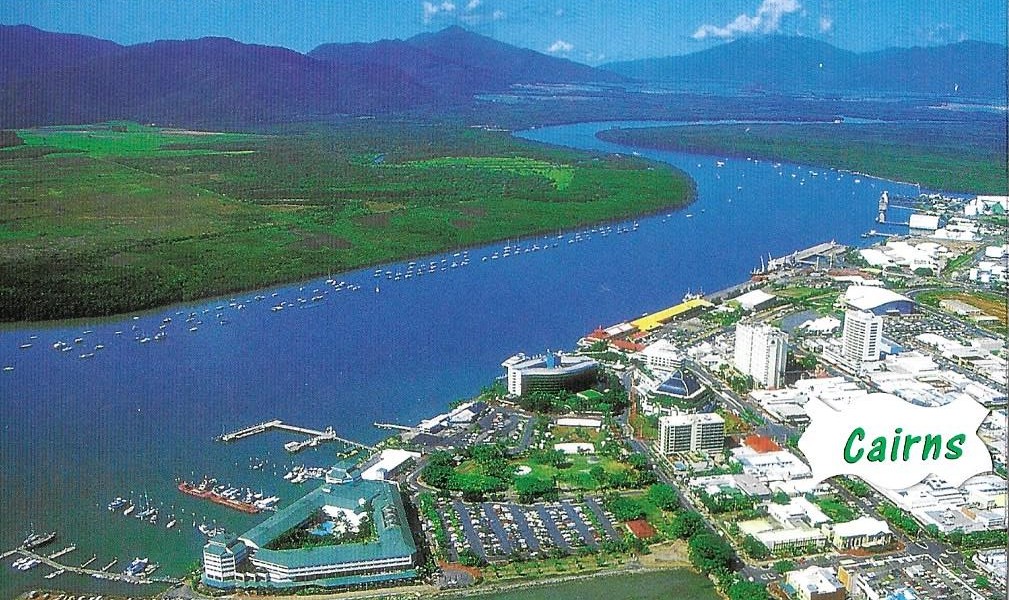
Caught up with several cruising buddies in the anchorage across from City Marina in Cairns. Modern and touristy, the city is a conglomerate of cultures providing a wide variety of food options, art, and fashion. Home base for us cruisers was the yacht club on the river where showers were free and two months of mail awaited us.
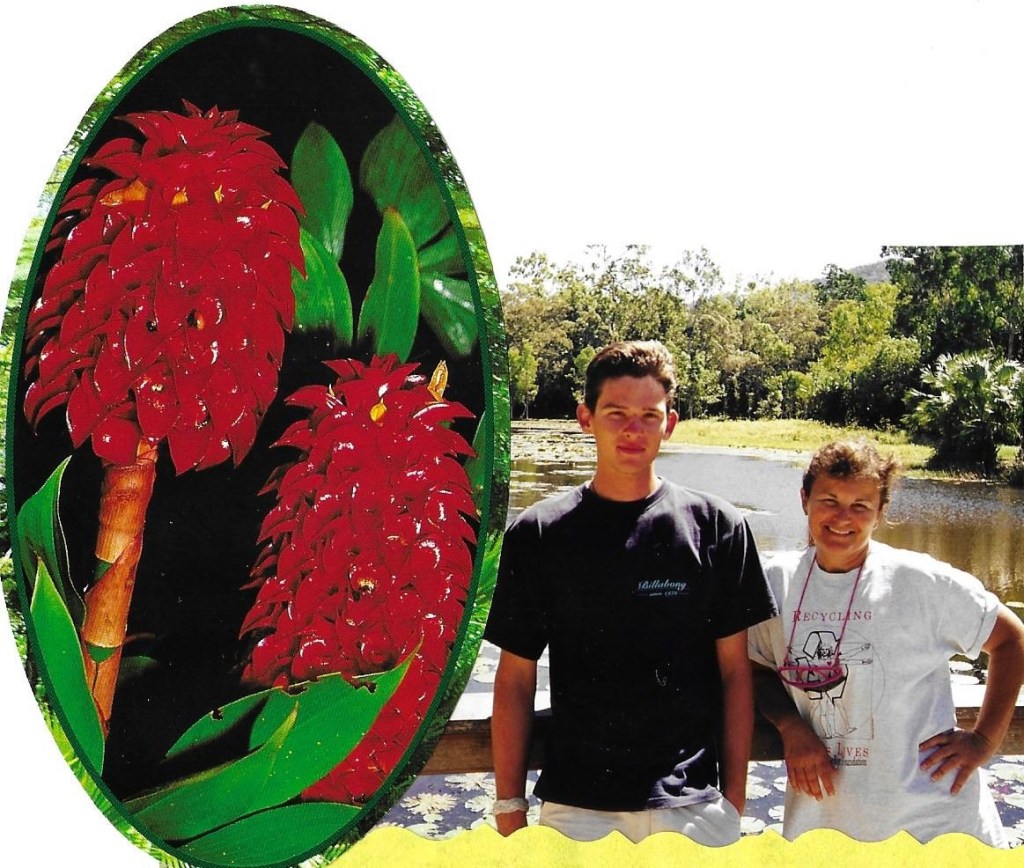
Venturing out on bikes we ran errands, but also explored Flecker Botanical Gardens, a kaleidoscope of palms, bamboo, heliconia, torch ginger, flame of the forest, and much more. Meandering ’round both salt and freshwater lakes, we strolled a rainforest boardwalk and through an orchid house. Cairns birdwing butterflies patterned in shades of yellows and greens shimmered in the sunlight. A steep walking track led to Mt. Whitfield Conservation Park where kangaroos, scrub turkeys, cassowaries, and other wildlife hid out above the city jungle far below.
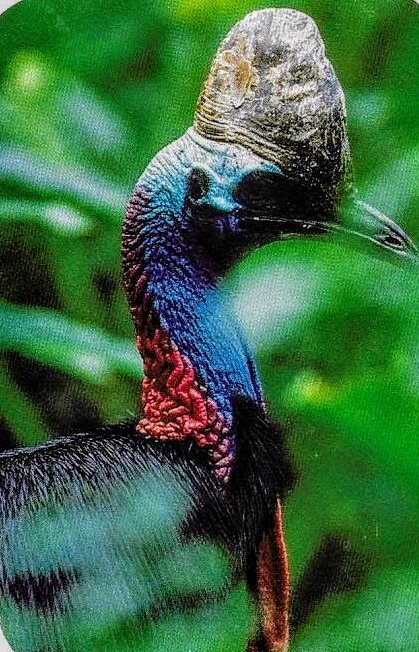
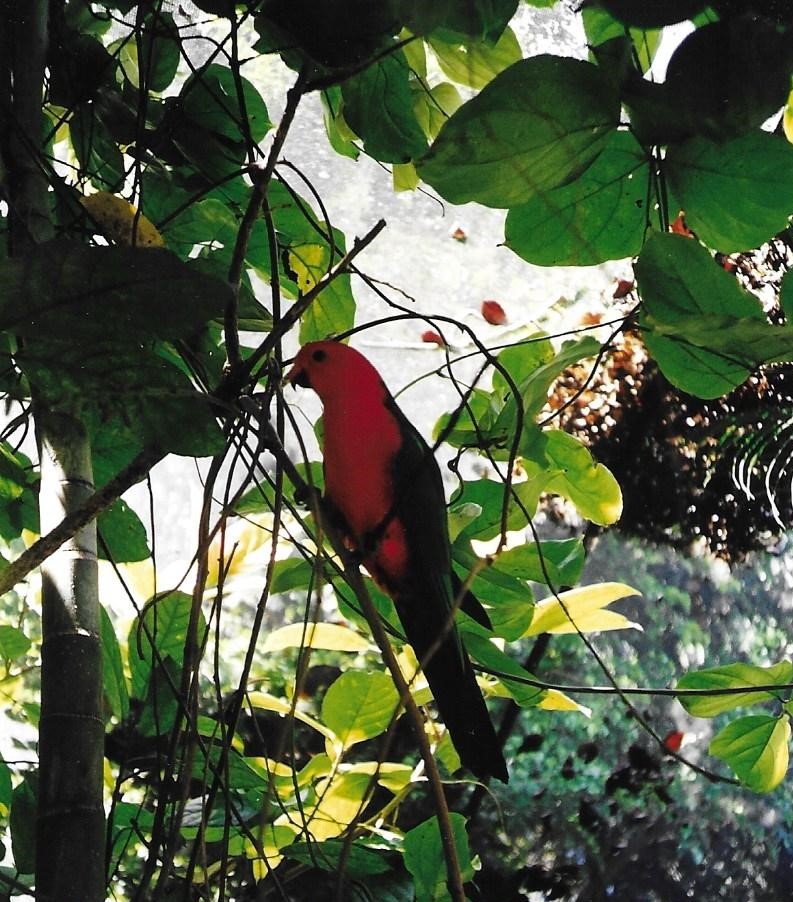
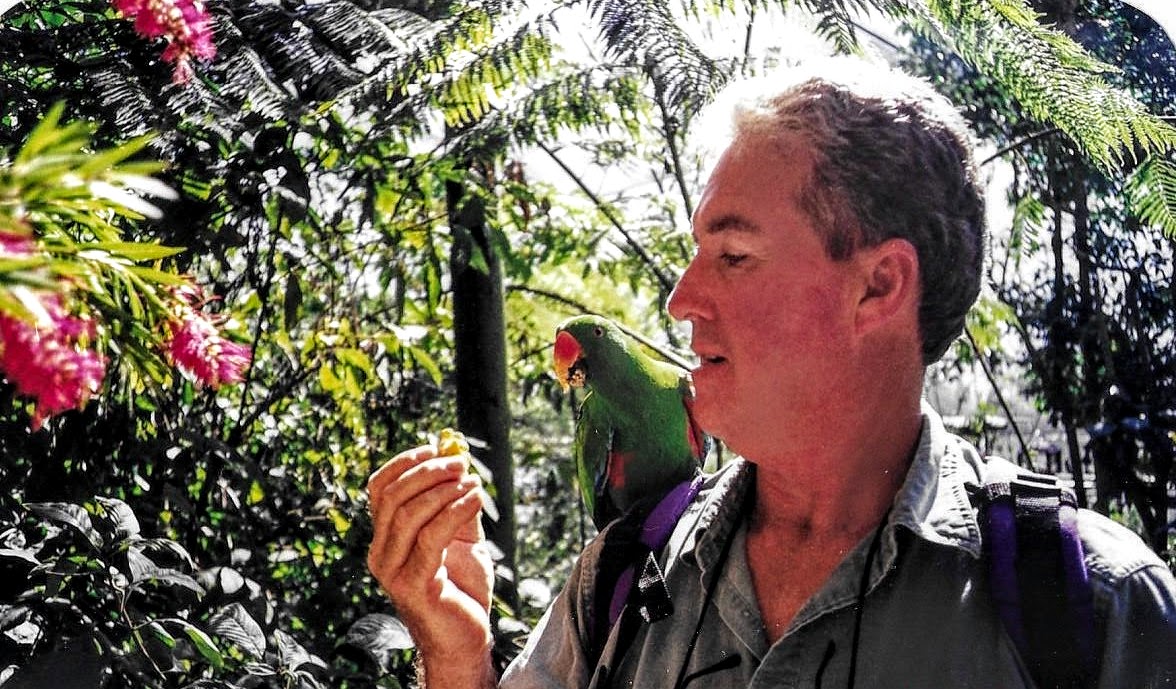
After a few days we popped around to Fort Douglas and a quiet anchorage. Cycling along a scenic path, we encountered one of our favorite Aussie experiences, Rainforest Habitat, where we roamed the aviary’s multi-leveled paths. Flashes of bright feathery friends everywhere, including Jerry’s shoulder! Andy, a very hospitable parrot, sat contented as we fed him bits of fruit, corn, and celery. Taking a turn on my shoulder, all was well until a rainbow lorikeet perched on my head. What a racket those two made! Like a National Geographic documentary, we observed mating dances including the Victorian Riflebird who spread its feathers around himself like a black velvet cloak and puffed out his iridescent chest. Diverse birdlife from huge emus and casqued cassowaries with dagger-like claws to gentle doves cooed, squawked, chattered, whistled, chirped, and trilled.
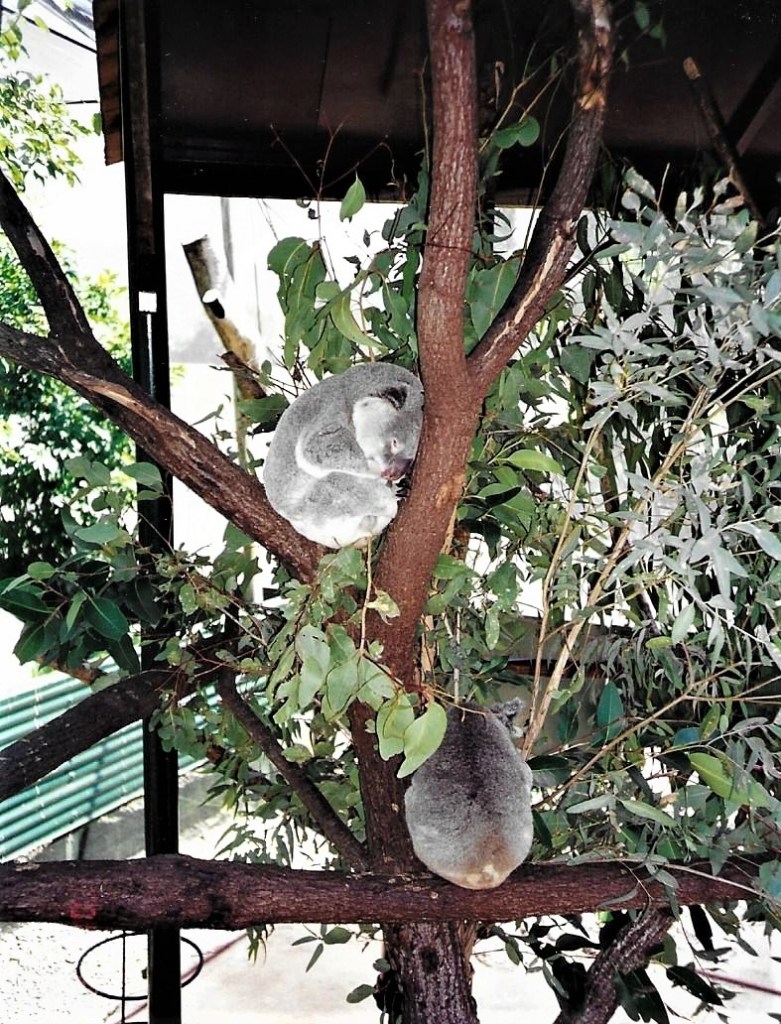
Next we wound along a walkway high in a eucalyptus forest where sleepy koalas eventually awoke. They stretched, scratched, and lumbered across thick branches searching for succulent leaves.
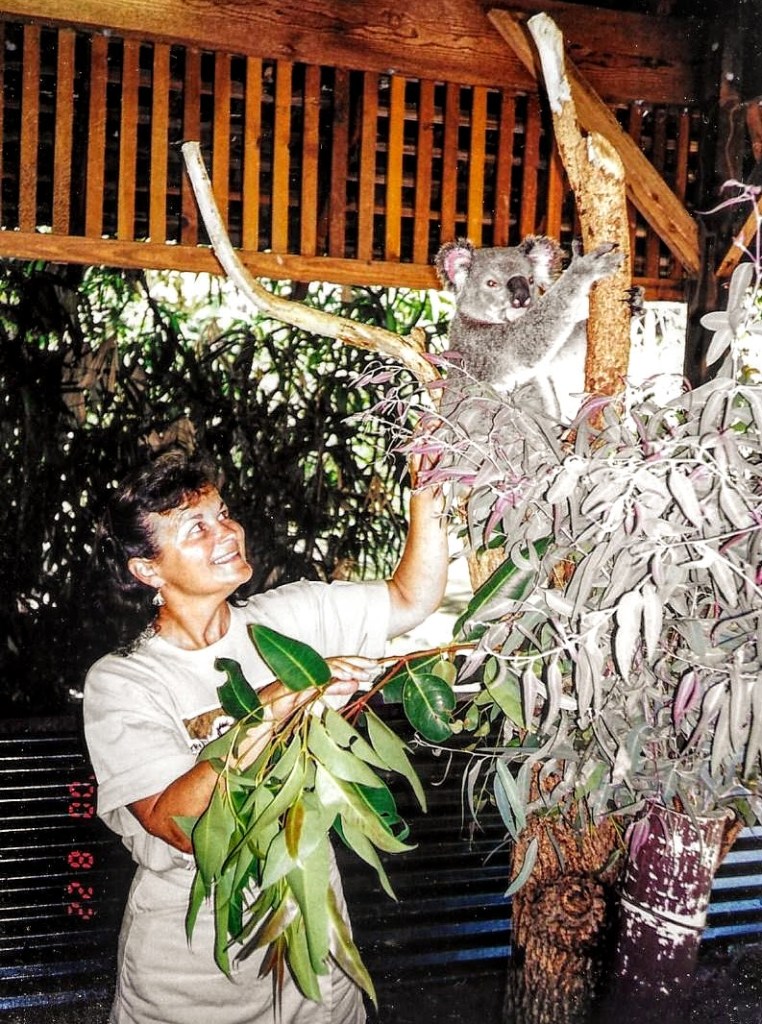
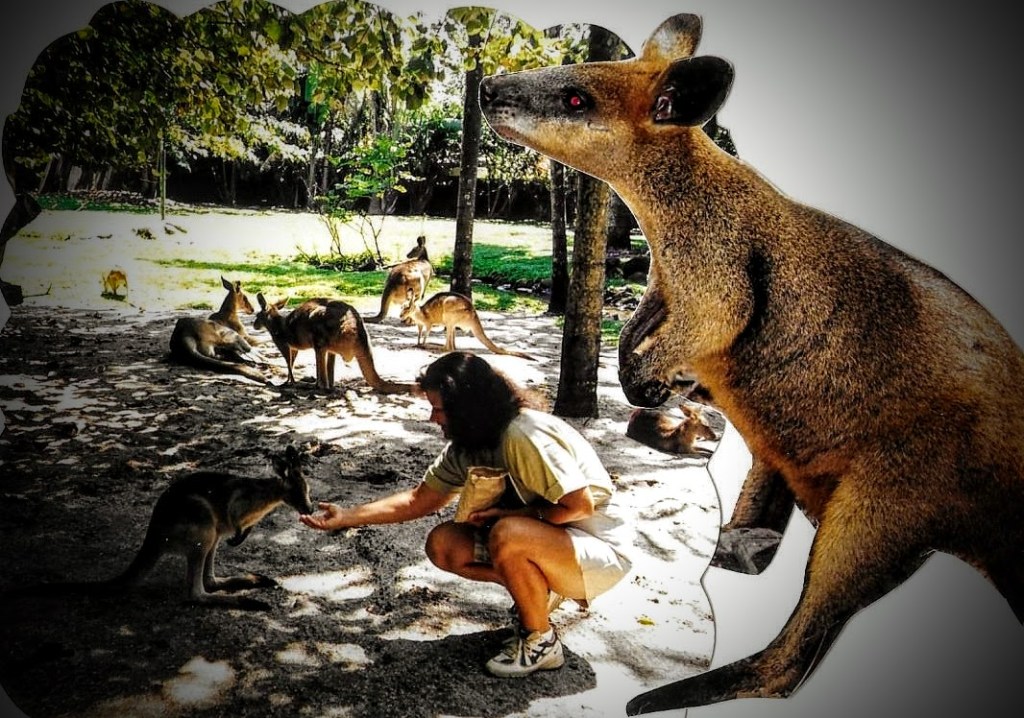
Back on the ground Jerry and I leisurely wandered a grassy koppie with trees lining the banks of a lazy stream. A few gentle, shy roos and wallabies rested while others hopped about, eager for a treat. One entertaining joey kept climbing in and out his mama’s pouch. An amazing day at an amazing sanctuary.
James Cook struck a reef at our next destination—tiny Hope Island. You can walk the sandy perimeter in 20-minutes. Aborigines continue to hunt, fish, and collect here. Hordes of egrets and Pied Imperial pigeons perched in beach almond and red coondoo trees, their faint coos an early morning wake-up call. Extensive reefs brimmed with exotic sea life, previewing things to come at our next anchorage. Just BEWARE of crocs and stingers-jellyfish!
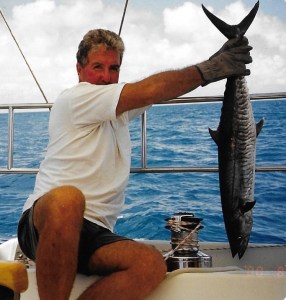
Sailing wing & wing under glorious conditions led us to Cape Flattery and then Lizard Island, even catching a 30″ Spanish mackerel using our silver spoon lure. Barbecued, it was delicious! Fantastic Watson’s Bay offered a wide selection of activities. Climbing the strenuous trail to Cook’s Look, who arrived in 1770, displayed breathtaking panoramas of outer reefs and their seven intricate passes. We rambled the white sand beach, mangrove boardwalk, and trail leading to Watson House. A tragic tale transpired here in the late 1800s.

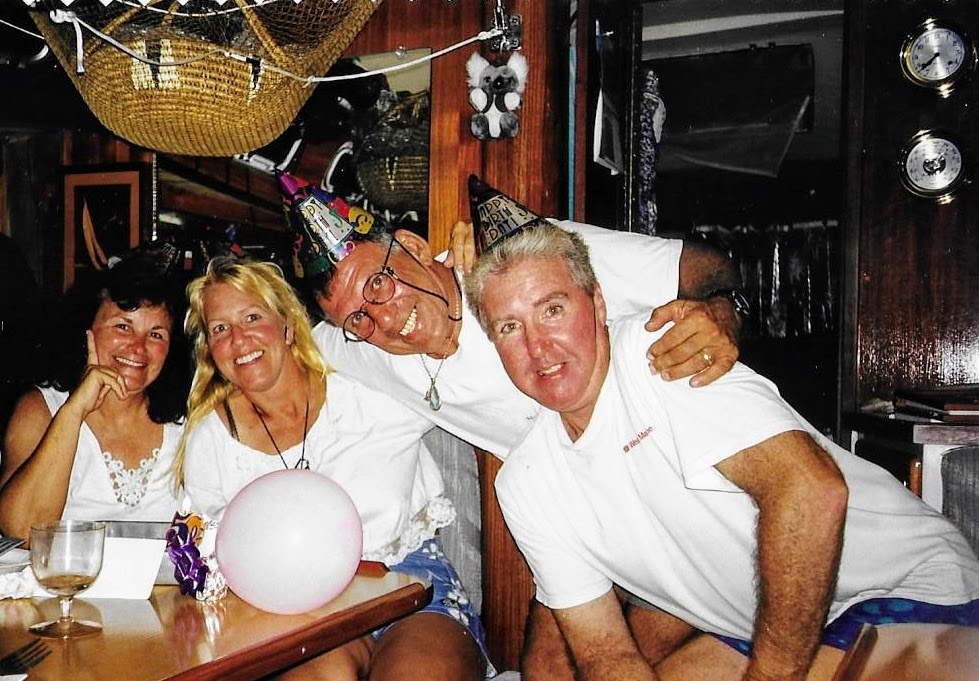
These protected waters have bestowed some of the Great Barrier Reef’s finest snorkeling and diving—delightful flickers of color darted among brilliant corals; a cloud of silver swirled around us with several 30″ fish within its midst; and an astounding assortment of 6-ft giant clams with velvety lips speckled with iridescent shades of blue, green, and brown beckoned us closer. The grand finale was a wonderful surprise visit from cruising friends who came to celebrate my 50th birthday.
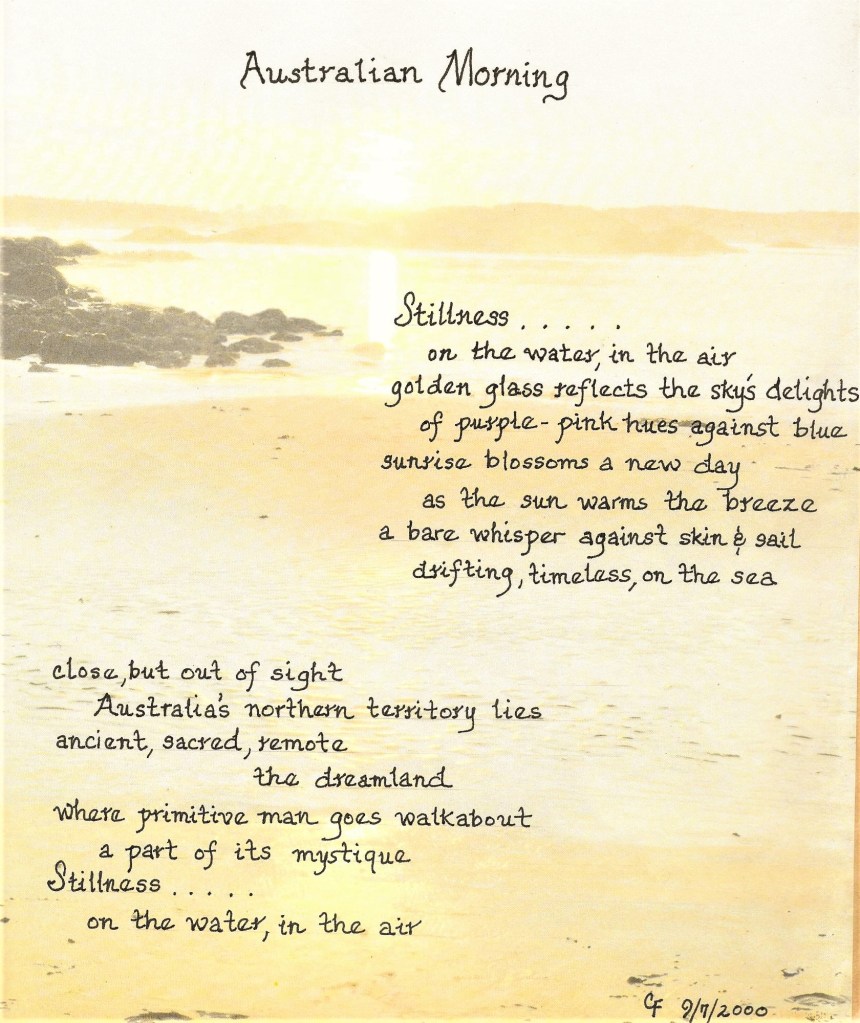
From this magical place light winds blew White Dove toward Australia’s Northern Territory, through the Torres and Endeavor Straights, and across the Gulf of Carpenteria. After 12 days of sailing we arrived in Darwin. Here we prepared for the next leg of our voyage from the Land Down Under. Stay tuned for more adventures as we sail east across the Indian Ocean.
The Great Barrier Reef Adventure—Part 1, Cockatoos & Cocktails

G’day mates! Made it to Mackay, our port of entry on Australia’s eastern shore. After checking in with friendly custom agents, we pedaled bikes around town, a mixture of late 1800s historical to current architecture; a river port for exporting sugar, with modern marina and local fish market; beaches, eateries, and diverse shopping. All this surrounded by national park rainforests and mountains. We only stayed long enough to provision and scrub ourselves, the boat, and laundry. Islands and birds of the Great Barrier Reef were calling.

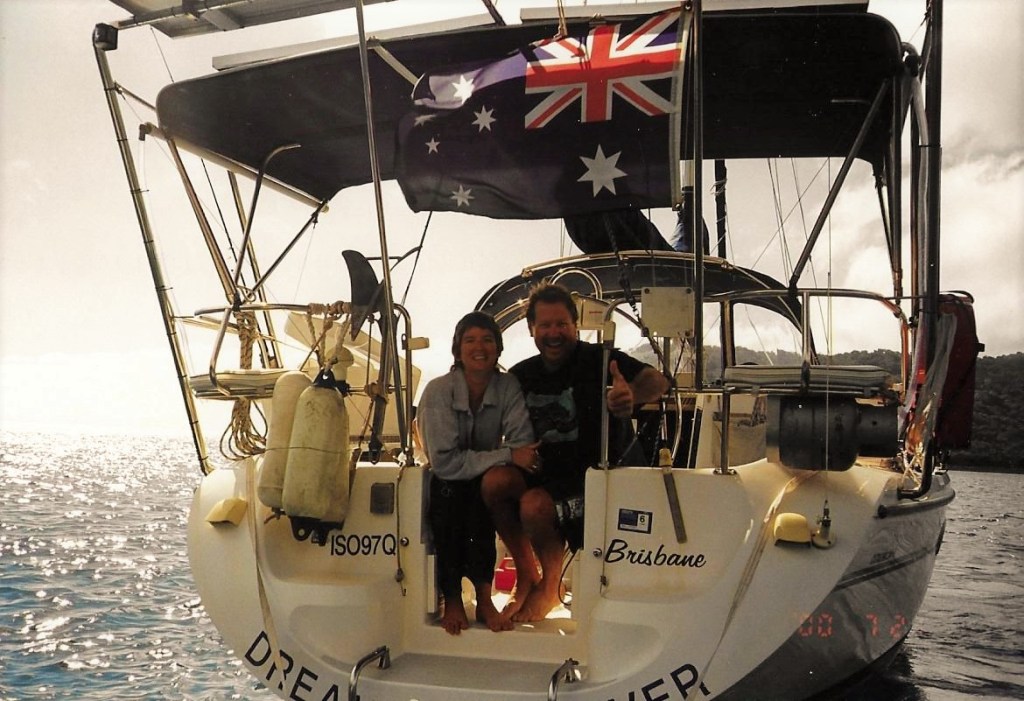
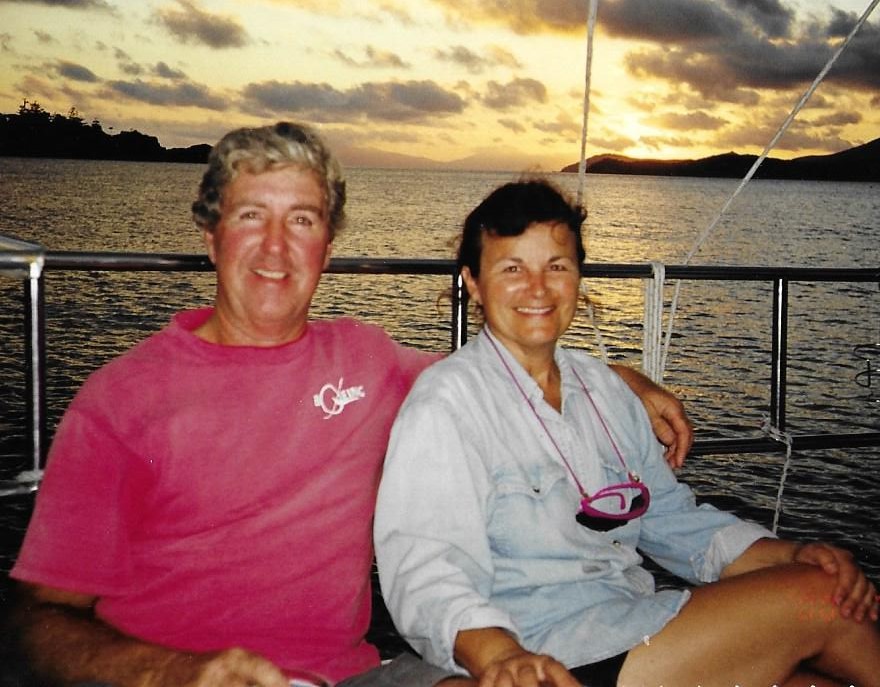
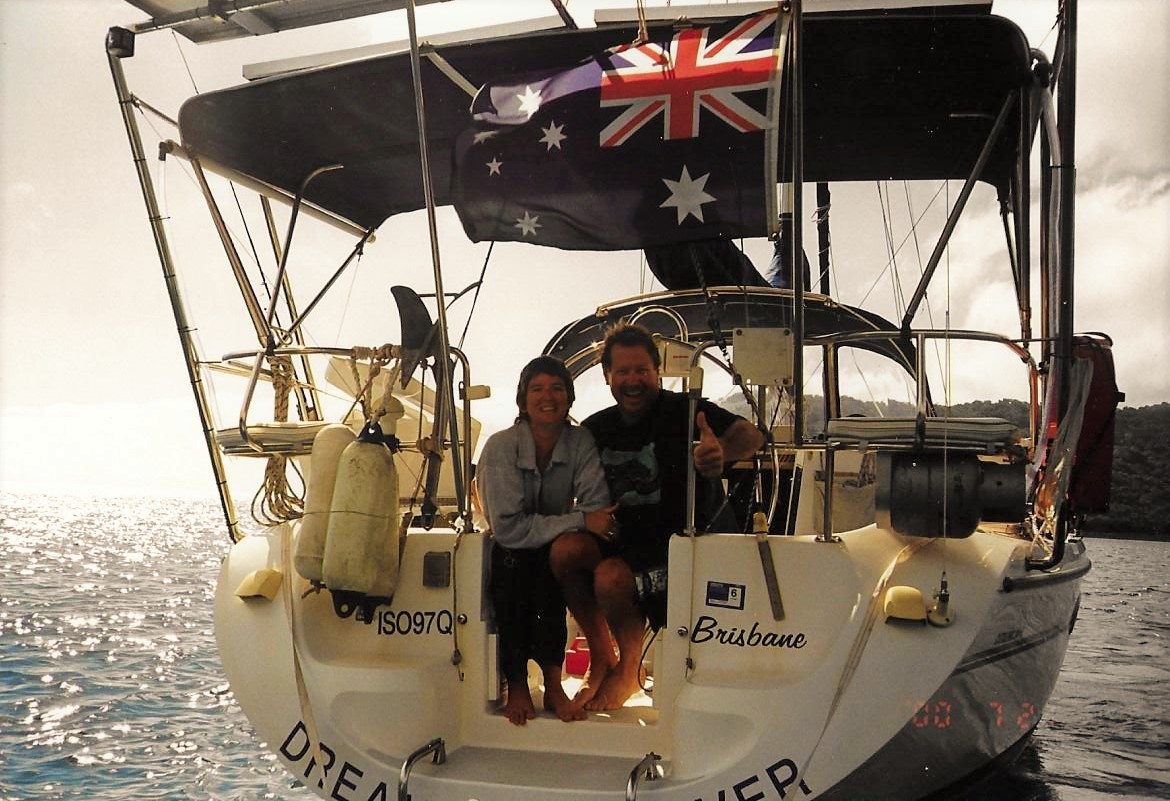
Sixteen miles out of Mackay we anchored in a secluded cove at Keswick Island next to Matt and Donna on their Catalina 36, Dream Weaver. At dusk, strains of Glenn Yarbrough’s “I Could Have Been A Sailor” filtered through the cockpit. We toasted beginning our cruises up the GBR—us for 3 months, the Aussies for 3 years. With Bundeburg rum and coke, of course. Cheers!

A light-wind, 20 mile sail guided us next to hilly Goldsmith Island planted with huge boulders interspersed with bushy white cypress and 100-ft hoop pine.

At Thomas Island our cove was fringed by 3 lovely beaches where we basked in sunshine and gentle breeze amid soft wispy Australian pines and rocky outcroppings. No worries here.

Moving north up the GBR, we discovered enchanting Lindemann Island clothed in rainforest. White cockatoos screeched and black pied currawong croaked in treetops while rainbow lorikeets chattered and whistled riotously, inebriated from the fermented nectar of umbrella and other flowering trees. We wound our way on a track with thick monkey rope and flowery wonga vines draping red-berried kamala trees, pines, and eucalypti. Mount Oldfield Lookout rewarded us with a scenic vista of islands dotting the Coral Sea where dolphins frolicked and multitudes of sea creatures thrived.

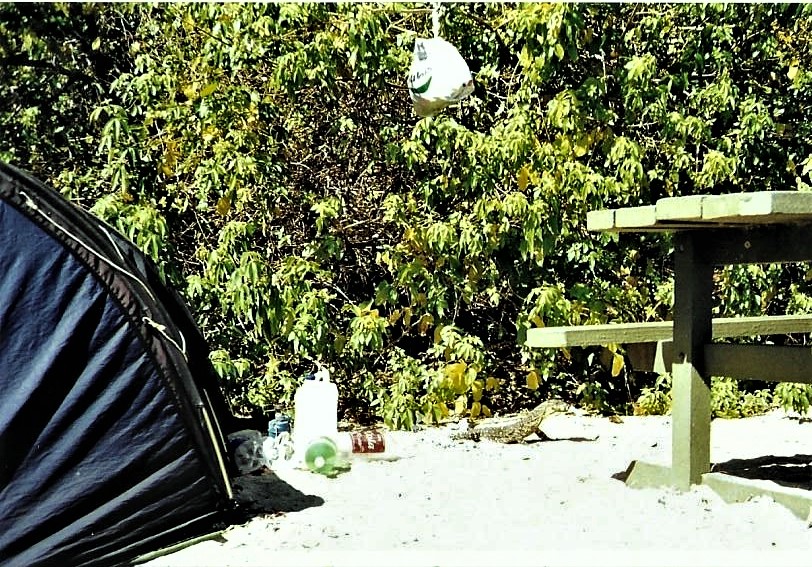
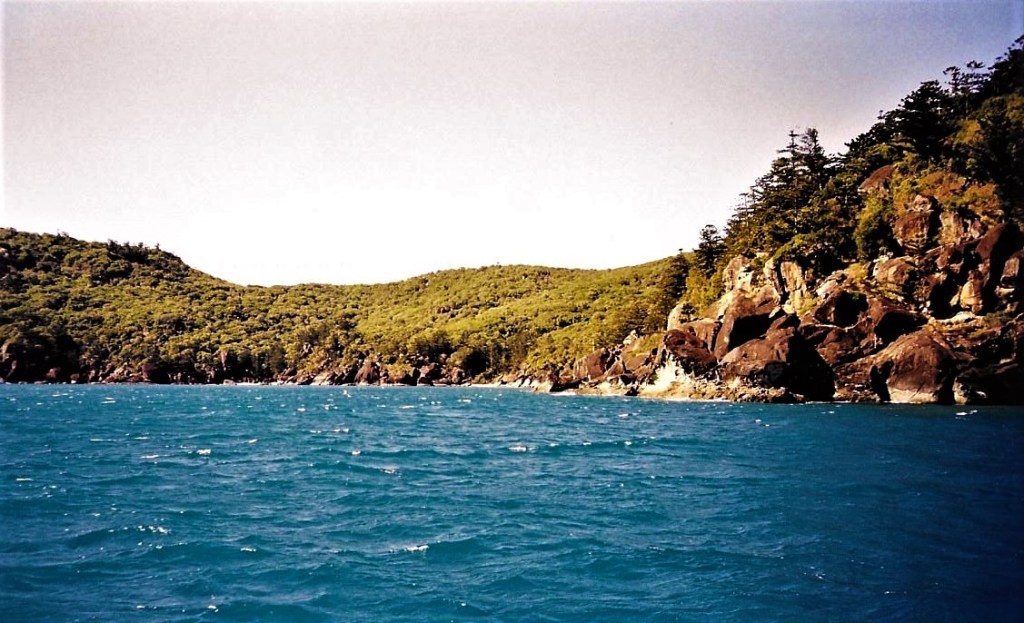
We dropped anchor in Cid Harbor, Whitsunday Island. Windsor-blue sky reflected in its calm water. Deep green forested hills hid Aboriginal caves, wallabies, and brushtail possums. Finches chirped and sacred kingfishers flapped iridescent blue wings, swooping to catch small lizards, crustaceans, and insects. Hiking between Dugong and Sawmill Beaches, we searched the shallows for the elusive dugong. These whiskery, grey-bronze creatures only eat plants like their closest relative, the elephant. No dugongs, but a 3-ft goanna (monitor lizard) ransacked a tent, foraging for delectables while others sunbathed on golden sand.

Aussie friends suggested we pop over to Hook Island, only a 6-mile sail. The fiord-like anchorage of Nara Inlet was shadowed by rugged mountains. A 20-minute bush track led to 9,000 year old Ngaro, an Aboriginal cultural site where middens covered the ground and caves held ancient rock paintings. Hawks and eagles soared overhead as we later clambered up a promontory with inspiring views of Pebble beach and beyond from Bluff Lookout.

As beautiful as the mountains and beaches were, it didn’t compare to the underwater landscape we splashed into at Manta Ray Bay. We were greeted by clouds of bright blue and yellow surgeonfish and pouty-mouth triggerfish nipping at gloved hands serving bits of bread. Feeding frenzy! Drifting among vivid red and cool blue corals near the beach was exhilarating, but never spotted a manta ray.

Windy conditions prompted us to move to a mooring ball in Butterfly Bay, more protected from prevailing southeast winds. We snorkeled among staghorn, blue organ pipe, sea fans, and pink cauliflower corals. Orange and white clownfish popped out of anemone, bright yellow butterfly fish, blue damsels, green and flatback turtles glided, and large grouper drifted within this quiet wonderland reef.

After 3 days of tranquility on Hook Island we spent a restless night in a poor-holding anchorage of Gloucester Island before a day sail to Upstart Bay. The national Park’s barren sandy hills with desert scrub, clumps of giant boulders, and a few cinder-block buildings were reminiscent of Joshua Tree National monument in California—minus the ocean!

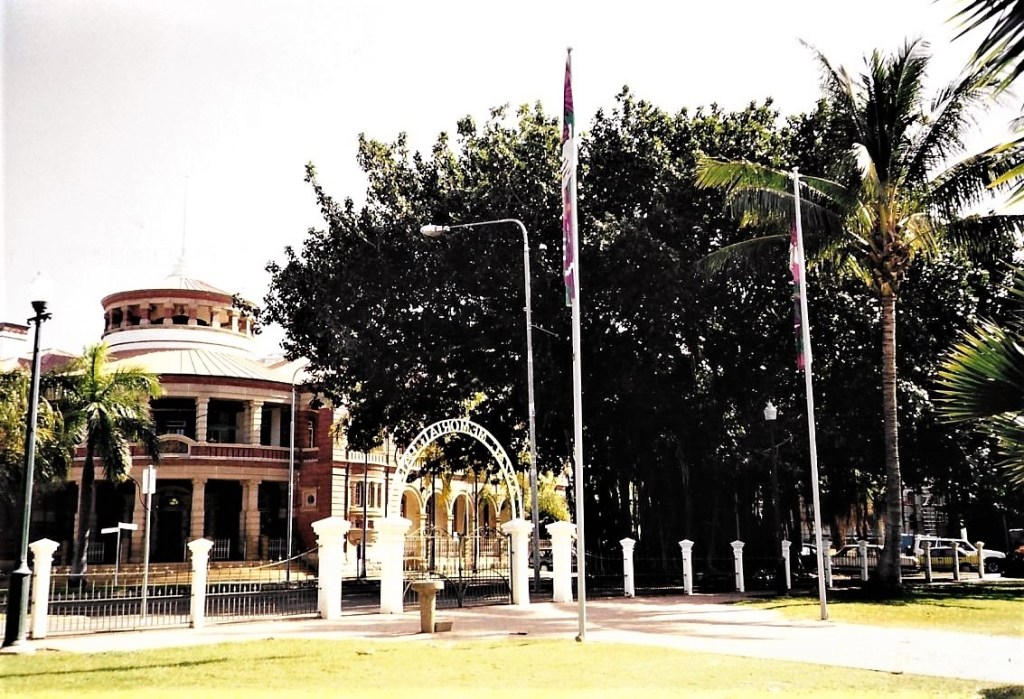
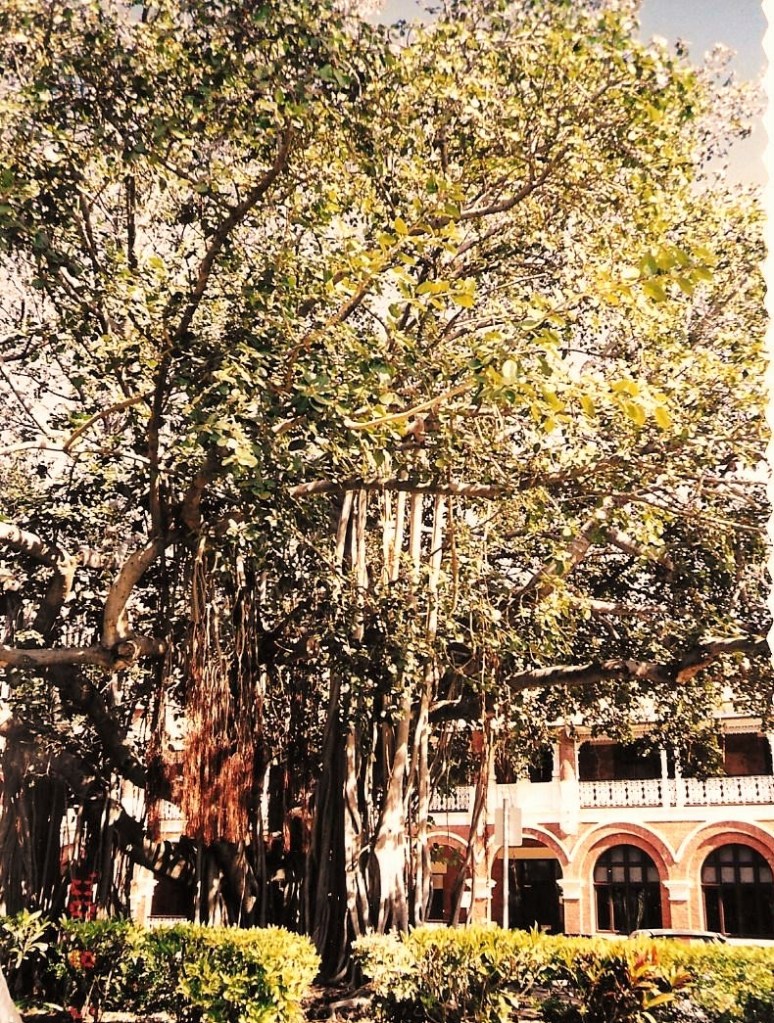
Another sailing day delivered us to an undulating anchorage at Cape Bowling Green, and then on to Townsville. Dramatic red cliffs spotted with eucalypti backdropped the blended early 1900s architecture with modern and tropical. The sun shines 320 days a year in this laid back capitol of the north where you can visit military and maritime museums, art galleries, or shop and dine at Flinder’s Mall, housed in restored historic buildings. For you Foodies, here’s some Aussie favorites: Barbecued snags (sausages); Minced meat pies (with gravy, onion, & cheese); Burger with “the lot” (lettuce, tomato, pineapple, beet, onion, cheese, bacon, & egg)—a whole day’s worth of calories in that one! For desert their favorite is Lamingtons, the national cake (a butter cake coated in chocolate & dipped in coconut).

There’s also peaceful areas of natural beauty such as:

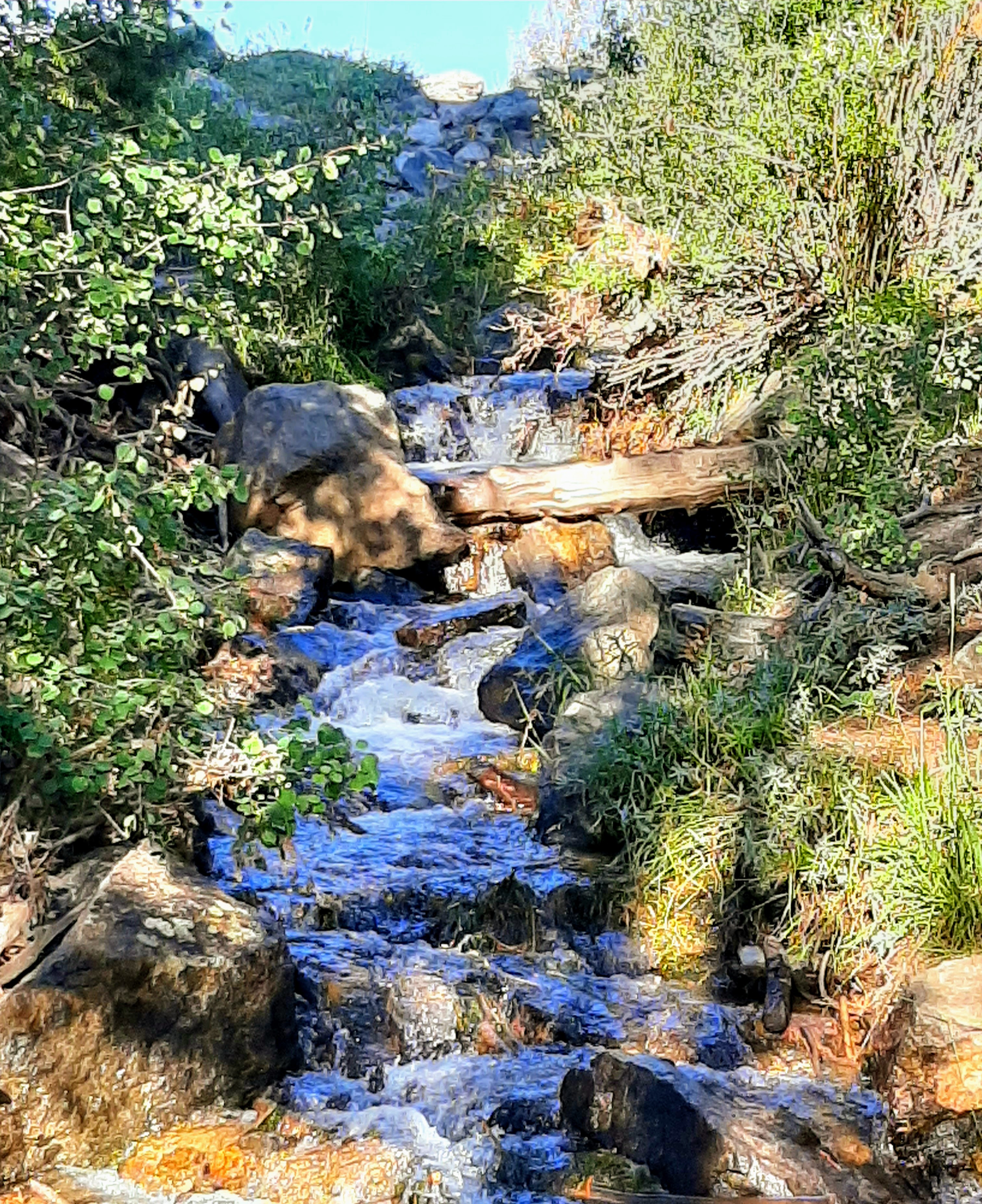
  • Mount Elliott in Bowling Green Bay National Park. Craggy mountains rise from wetlands with plenty of birdwatching along Alligator Creek where water cascades into deep pools and waterfalls. Alligator Creek Falls Track is a difficult 10-mile trail while Alligator Creek Lookout is an easy, 1/2-miler.
  • On your way, stop at Crystal Creek where cassowaries charge through rainforest and orchids twine among branches near a mountain stream tumbling over granite boulders and beneath a Roman arch stone bridge.
  • We strolled beautifully landscaped Anzac Park, beside the marina, with its war memorial and indigenous trees; and along The Strand with protected swim areas, fishing pier, and sidewalk for skaters and cyclists.
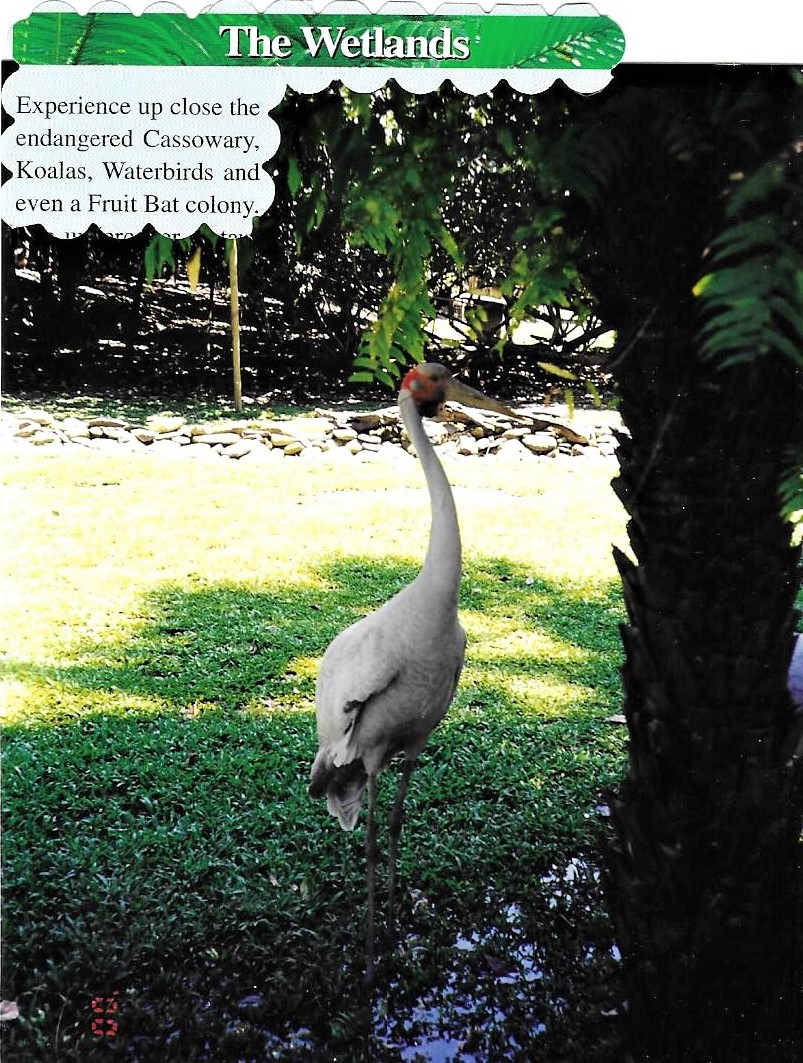
  • For a longer walk, try Townsville Town Common Conservation Park, an immense wetland habitat with tidal estuaries fringed with mangroves, venturing through grasslands and swamps to woodlands and vine thickets. You may spot honking magpie geese, melodious red-backed wrens,high-pitched buzzing golden-headed cistacolas, or stilt-legged brolgas.

After 2 days in civilization it was time to head back out to a serene retreat. Rocky Magnetic Island, nicknamed Maggie, is a nature-lover’s paradise. White cockatoos and sea eagles glided over horseshoe Bay. A 20-30 minute bushwalk through eucalypti, hoop and Norfolk pines, and around monstrous boulders brought us to picturesque Balding Bay. We picnicked in seclusion on soft white sand as small shorebirds skittered around for a meal. Rowing ashore late one afternoon we were surprised by raucous squawking. A rare flock of black cockatoos with orange-red or yellow tailfeathers feasted in the trees on sea almonds. Party time!

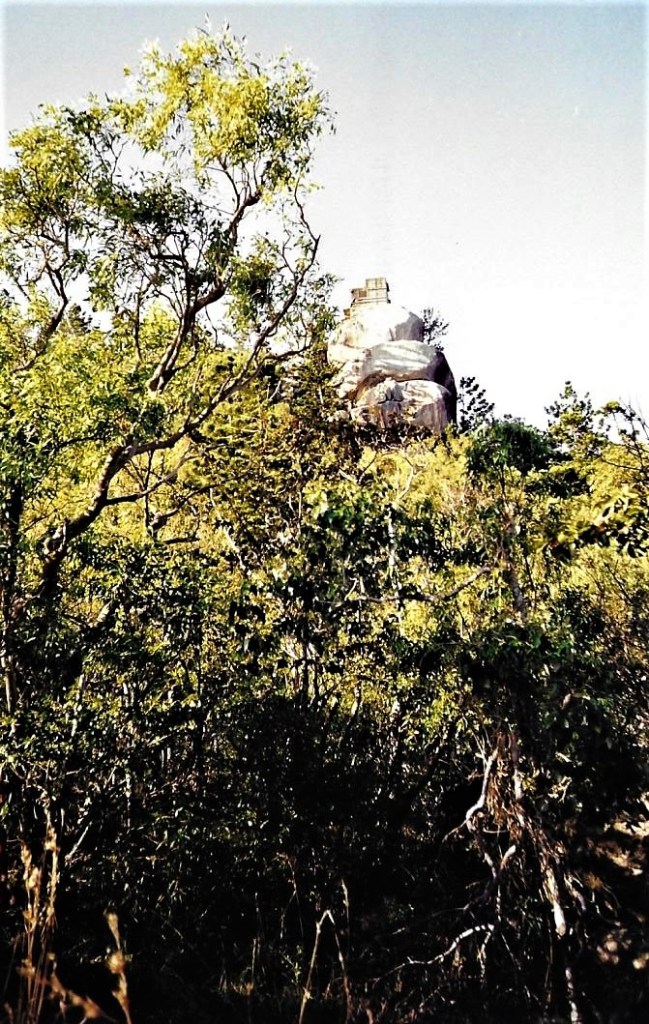
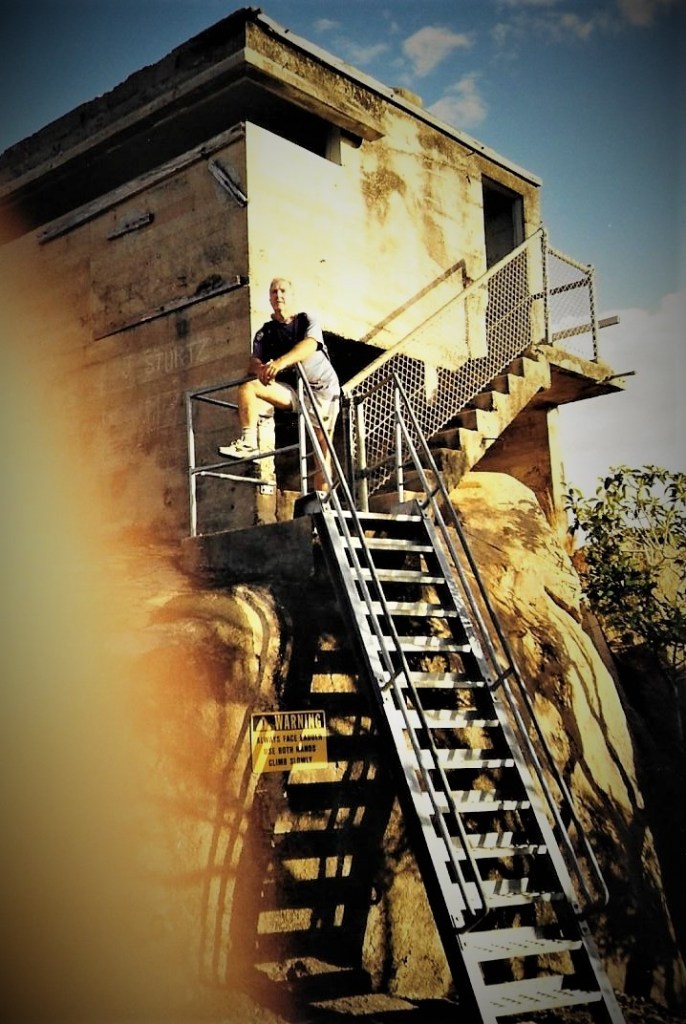
Another day we climbed a twisty bushtrack to the Forts. Remnants of WWII structures competed with the magnificent views of wooded coves, boulder-strewn beaches, and mainland, only 16-miles across the sea. Although a haven for koalas, none were spotted, but a trilling staccato laugh punctured the silence on our hike down. What on earth? We glimpsed a delightful brown and white laughing kookaburra peering through the trees, and sounding eerily human.
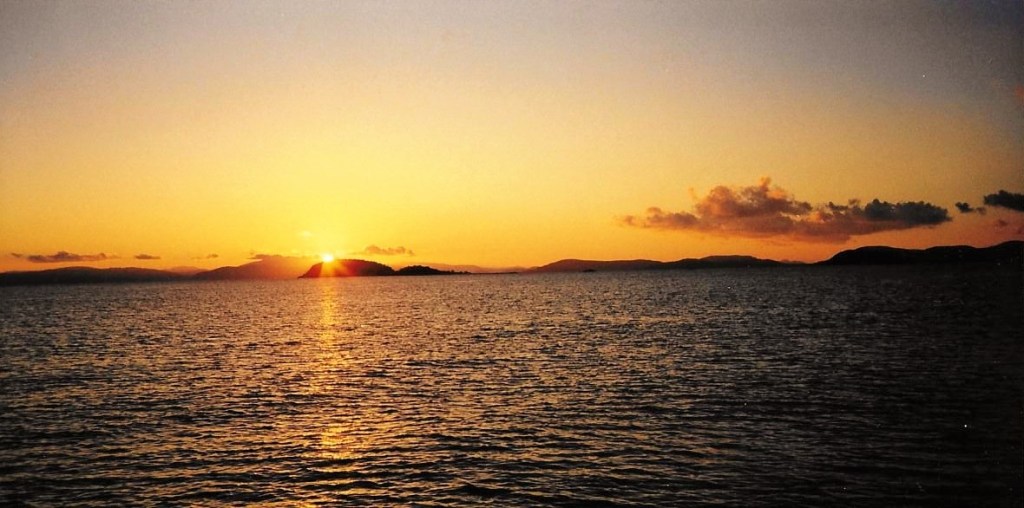
No time left for snorkeling several bays where fringing reefs of coral flourish, moray eels hide, and unicorn fish dart through submerged wrecks. Next time around… A final happy hour aboard White Dove was cherished as the sun set casting dazzling splashes of oranges, yellows, and pinks on the bay. Time to say Hoo roo, farewell, until we meet again in Part 2 of “The Great Barrier Reef Adventure”.

Thank Goodness For The Great Outdoors—Part 2, Rails & Trails

Climb the mountains & get their good tidings. Nature’s peace will flow into you as sunshine flows into trees— John Muir

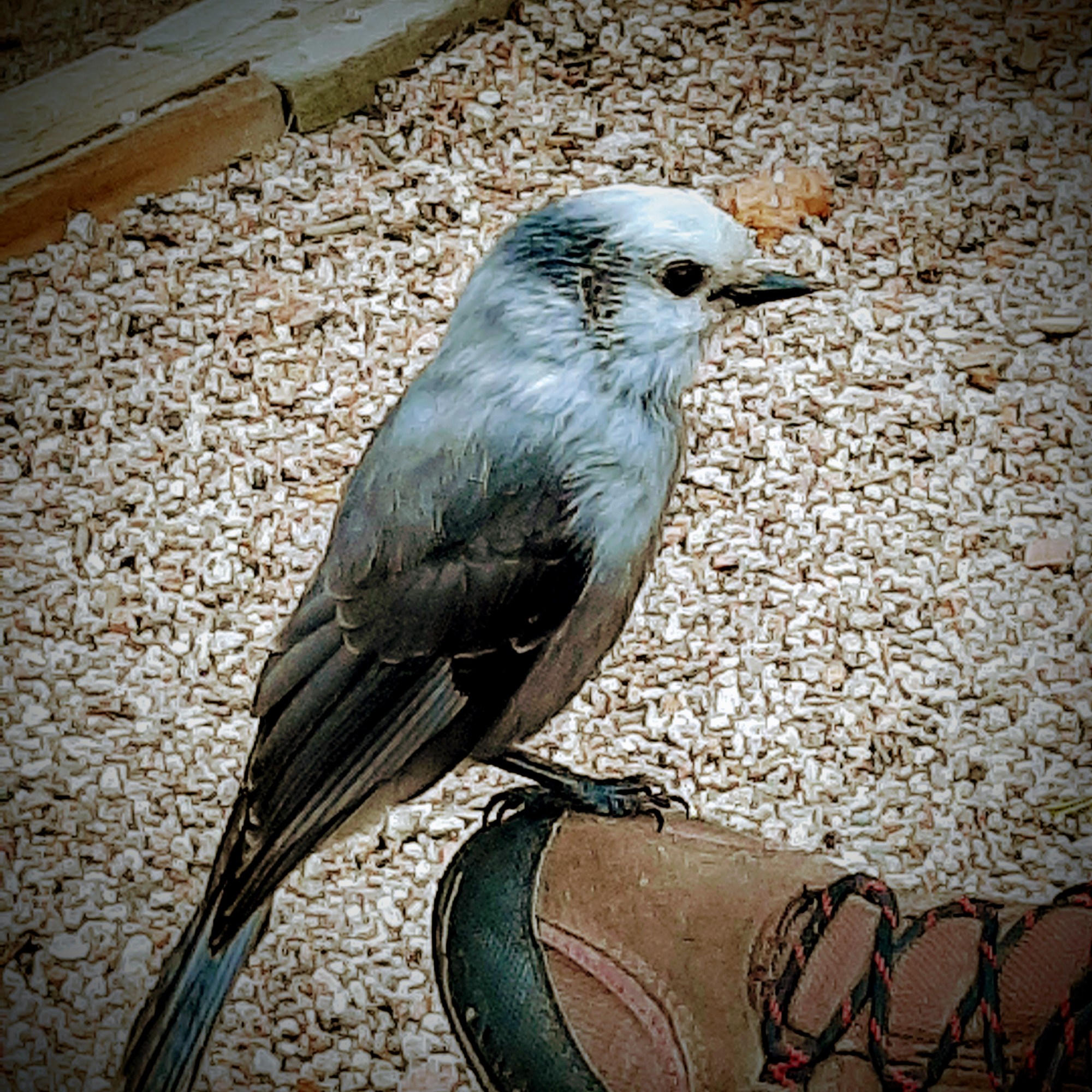
High in the Rocky Mountains above Colorado Springs lies Mueller State Park. The 9,000+ elevation forced a turtle’s pace as we adjusted. Our campsite overlooked a dense forest of conifer and ponderosa pines alive with the hammering of a Williams sapsucker woodpecker, chirps and squawks of chickadees, bluebirds, and stellar jays. Campsite hosts, a pair of fearless gray jays, kept us company throughout the afternoon.
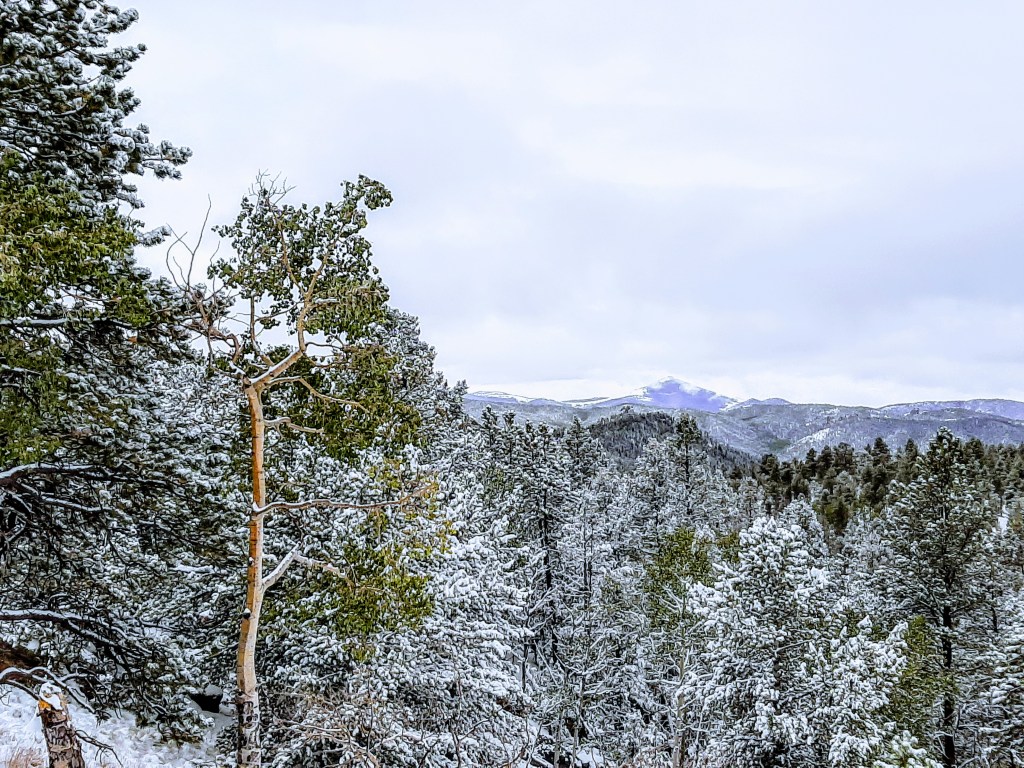
T-shirts and shorts were exchanged for winter coats the day following our arrival when a freak early September snowstorm sprinkled five inches of snow. High altitude caused problems within our propane heating system making for a couple of very chilly nights. So, hearty campers that we are, we moved down the mountain.
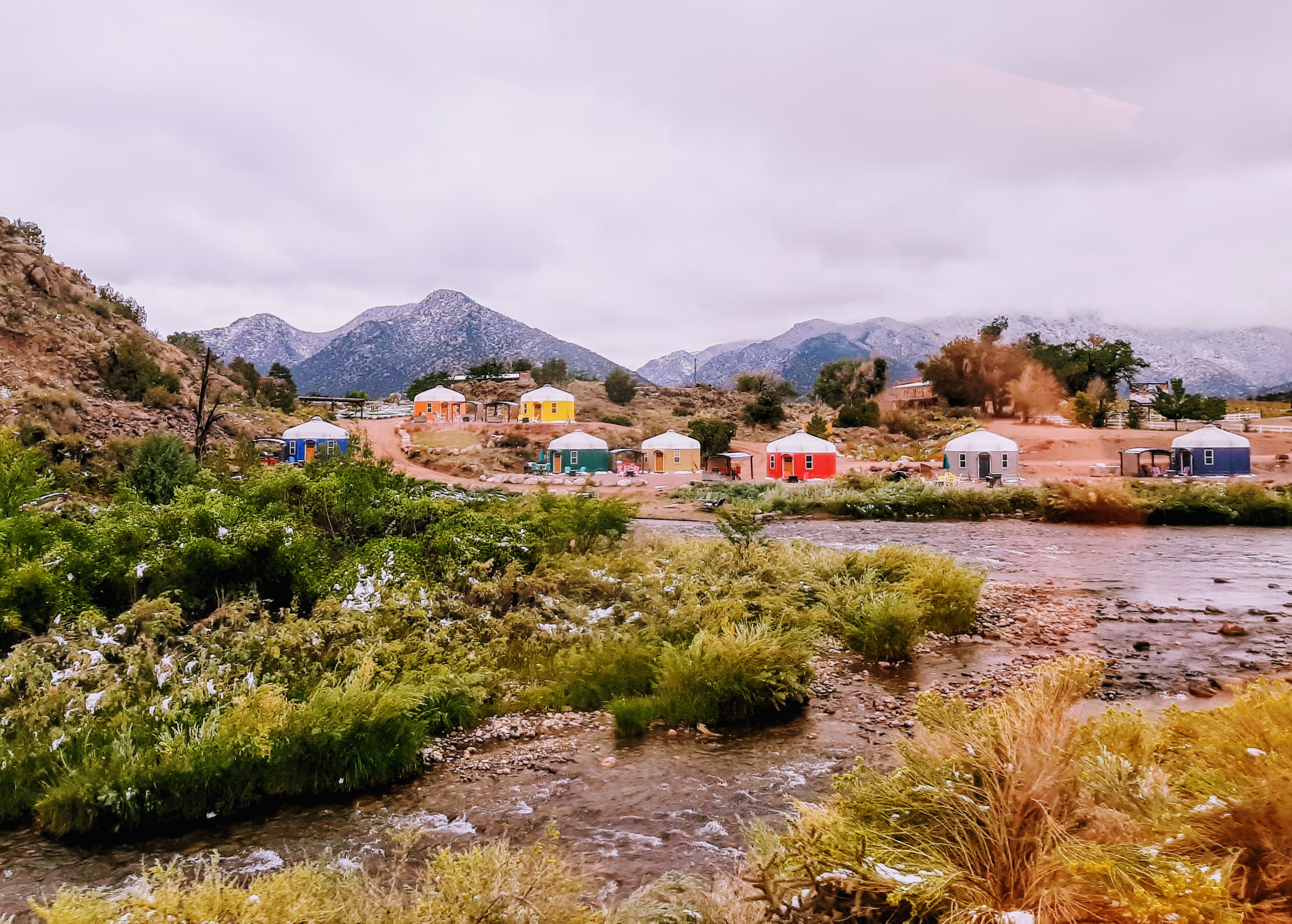
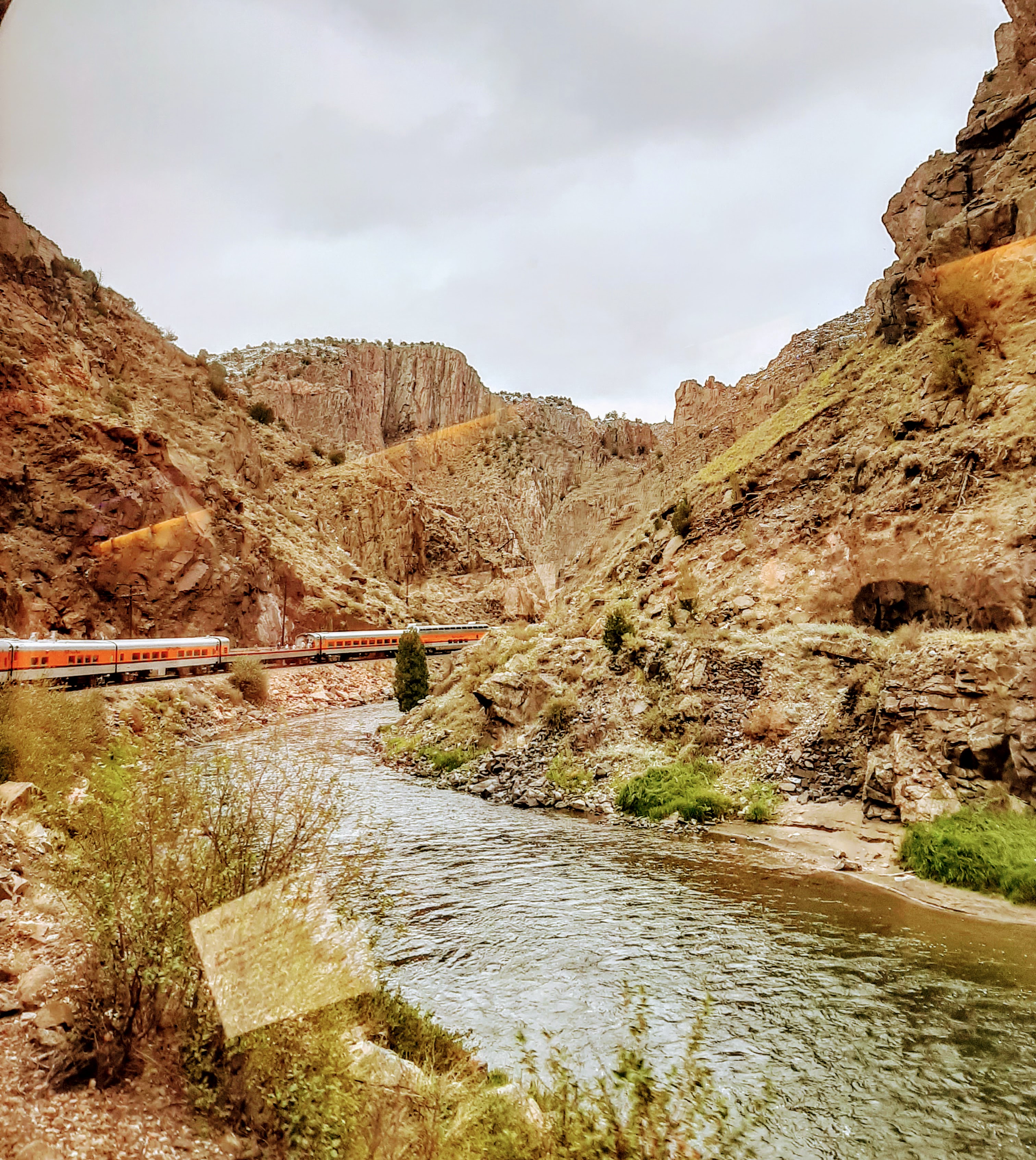
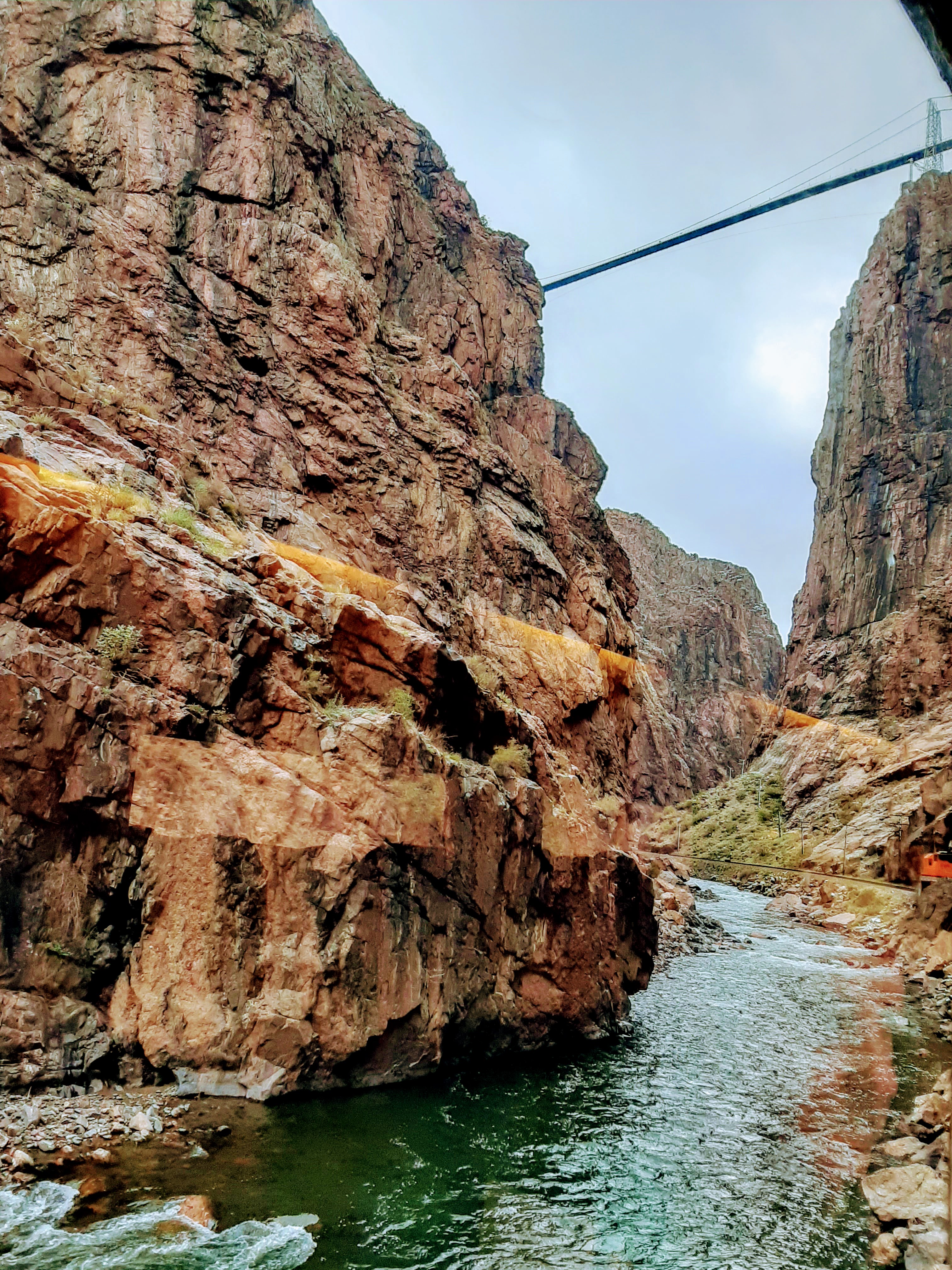
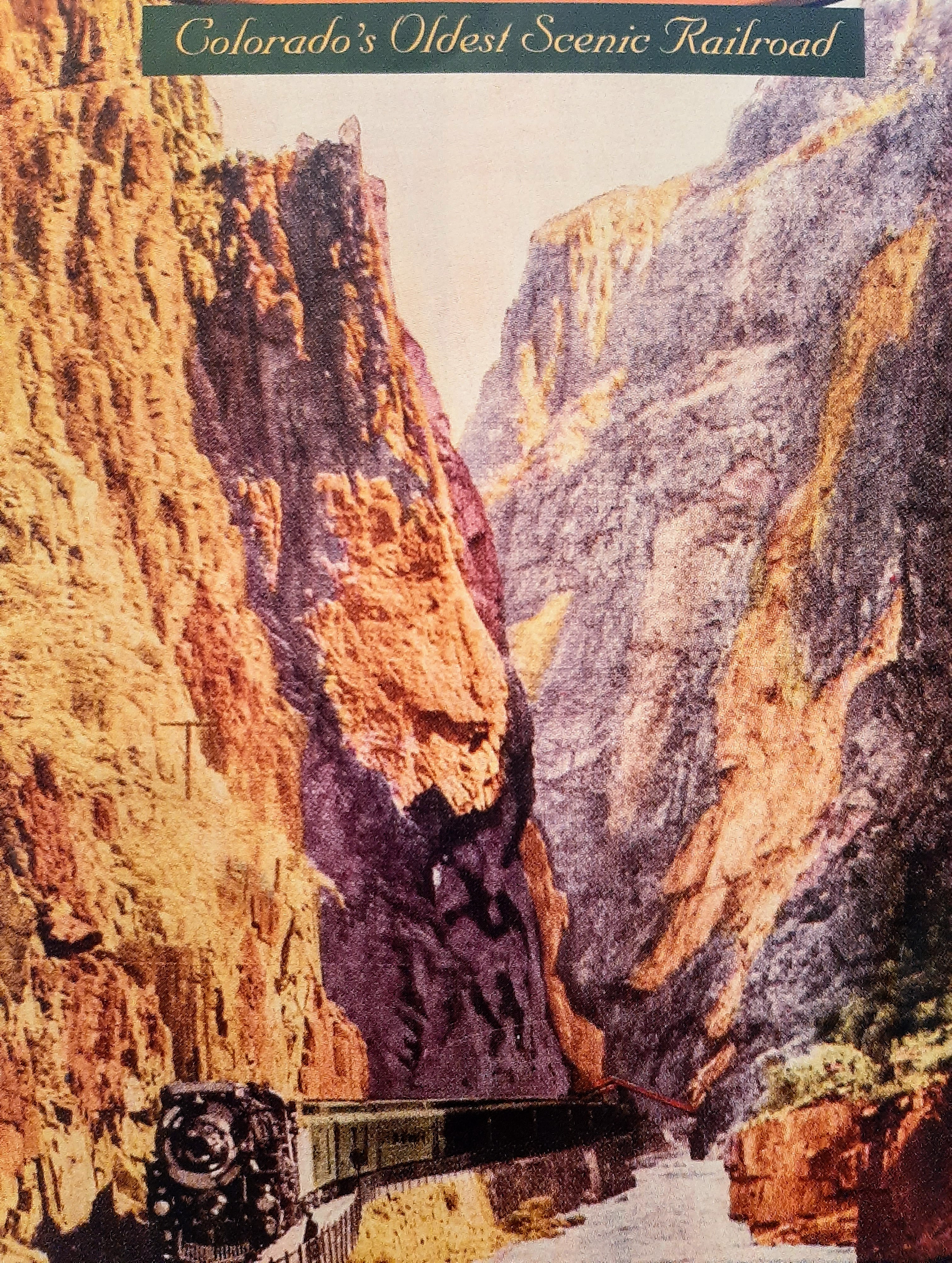
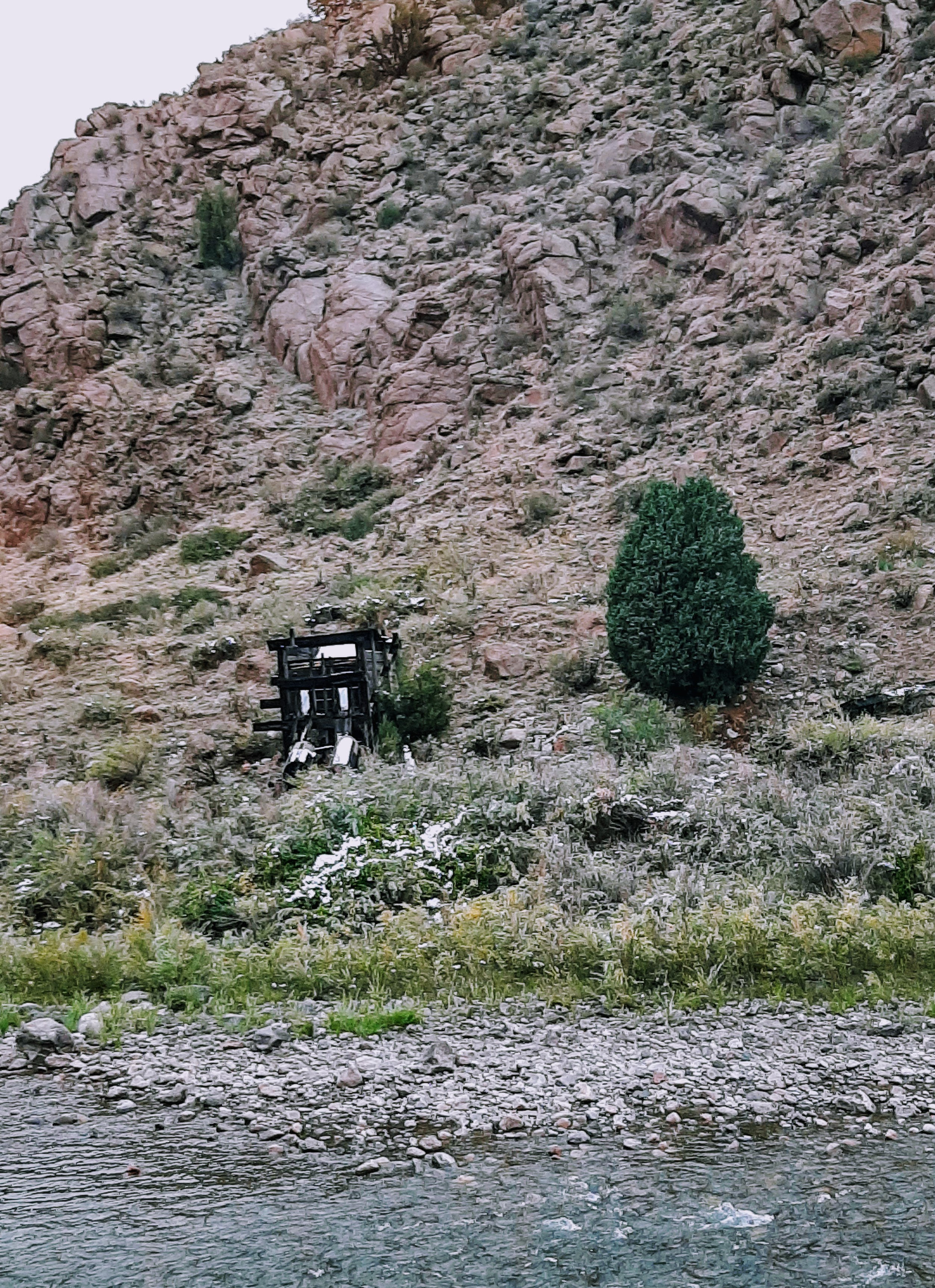
Having planned to visit the Royal Gorge anyway, we set up base camp in Canon City, but opted out of strolling across America’s highest suspension bridge due to frigid weather. My Southern California blood has never adjusted to winter temps, so Jerry and I embarked on a train from the 1880s Santa Fe Railroad Depot. Over eons the surging waters of the Arkansas River cut a deep ravine forming cliffs over 1,000-ft tall. Rails paralleled the rushing waters past sites where silver and lead ore miners once toiled and beneath the swaying bridge high above.

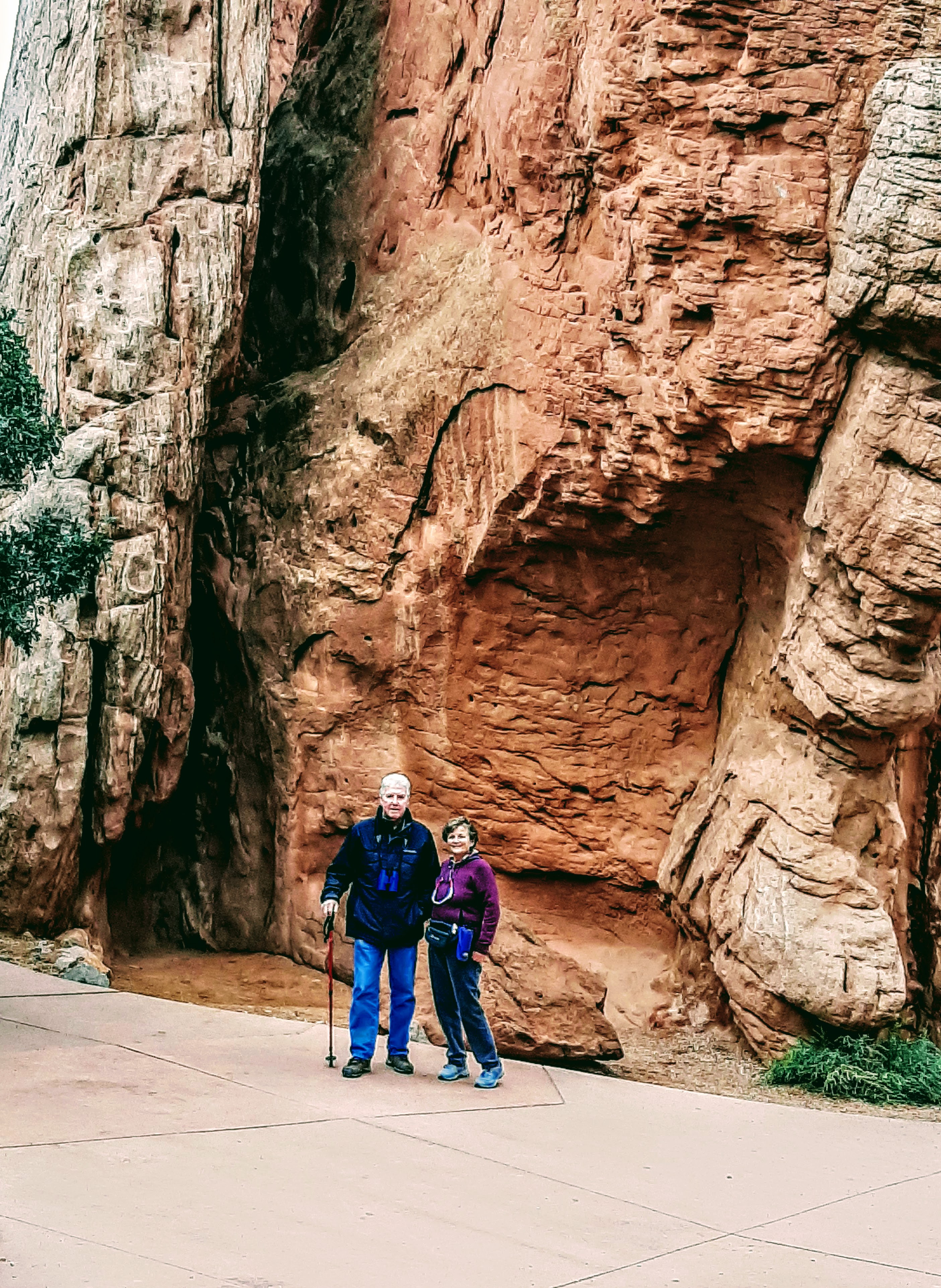
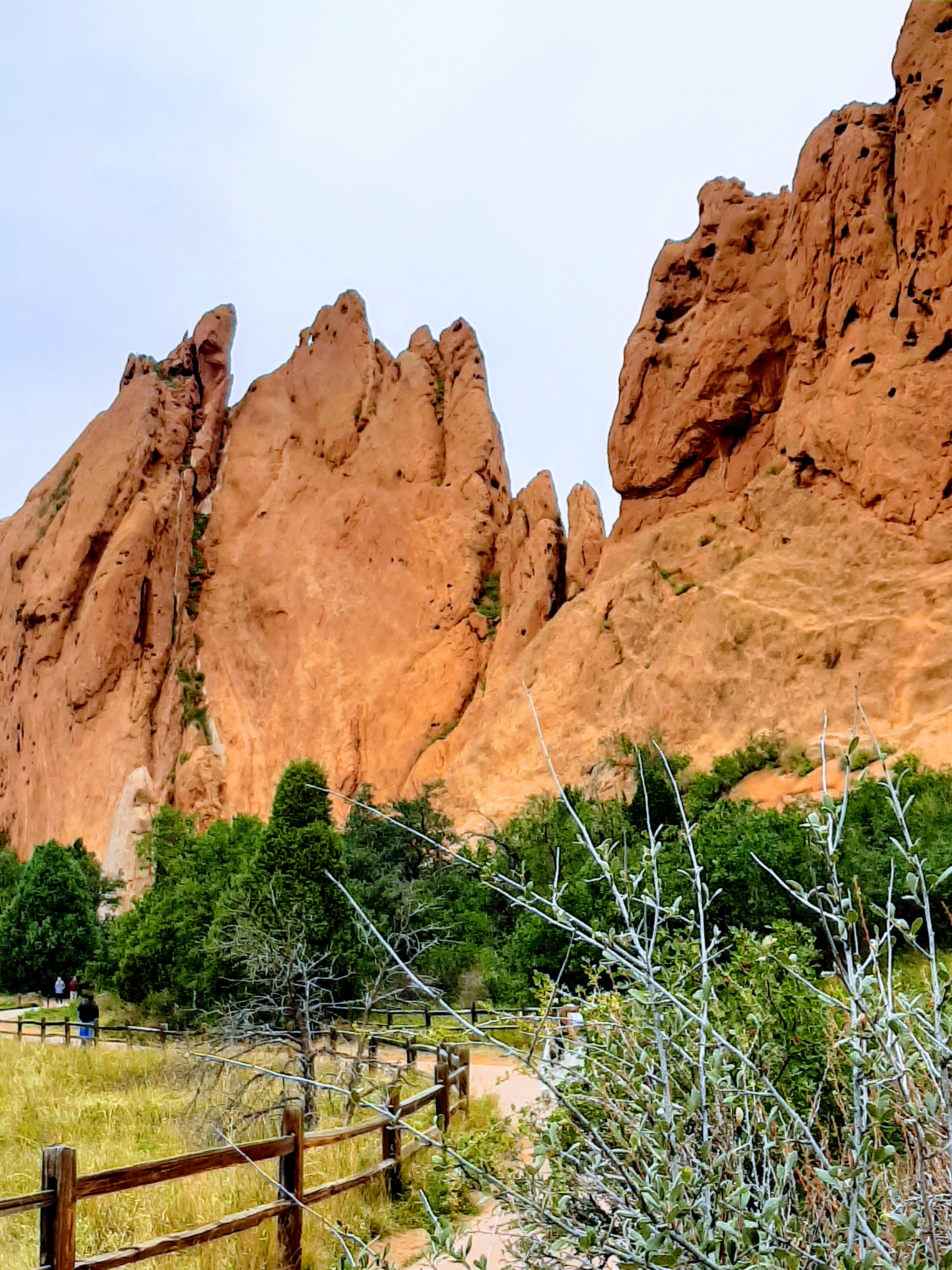
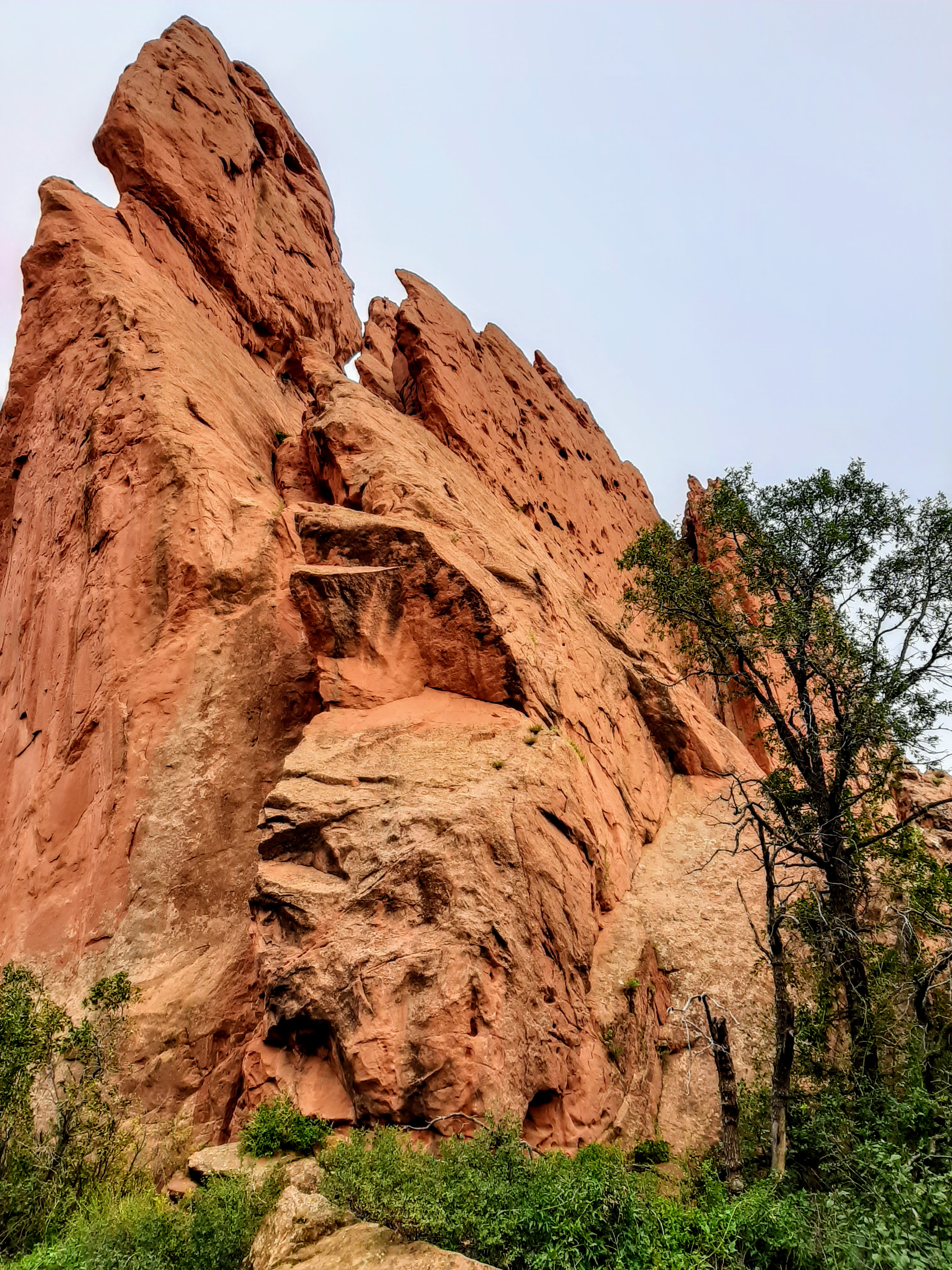
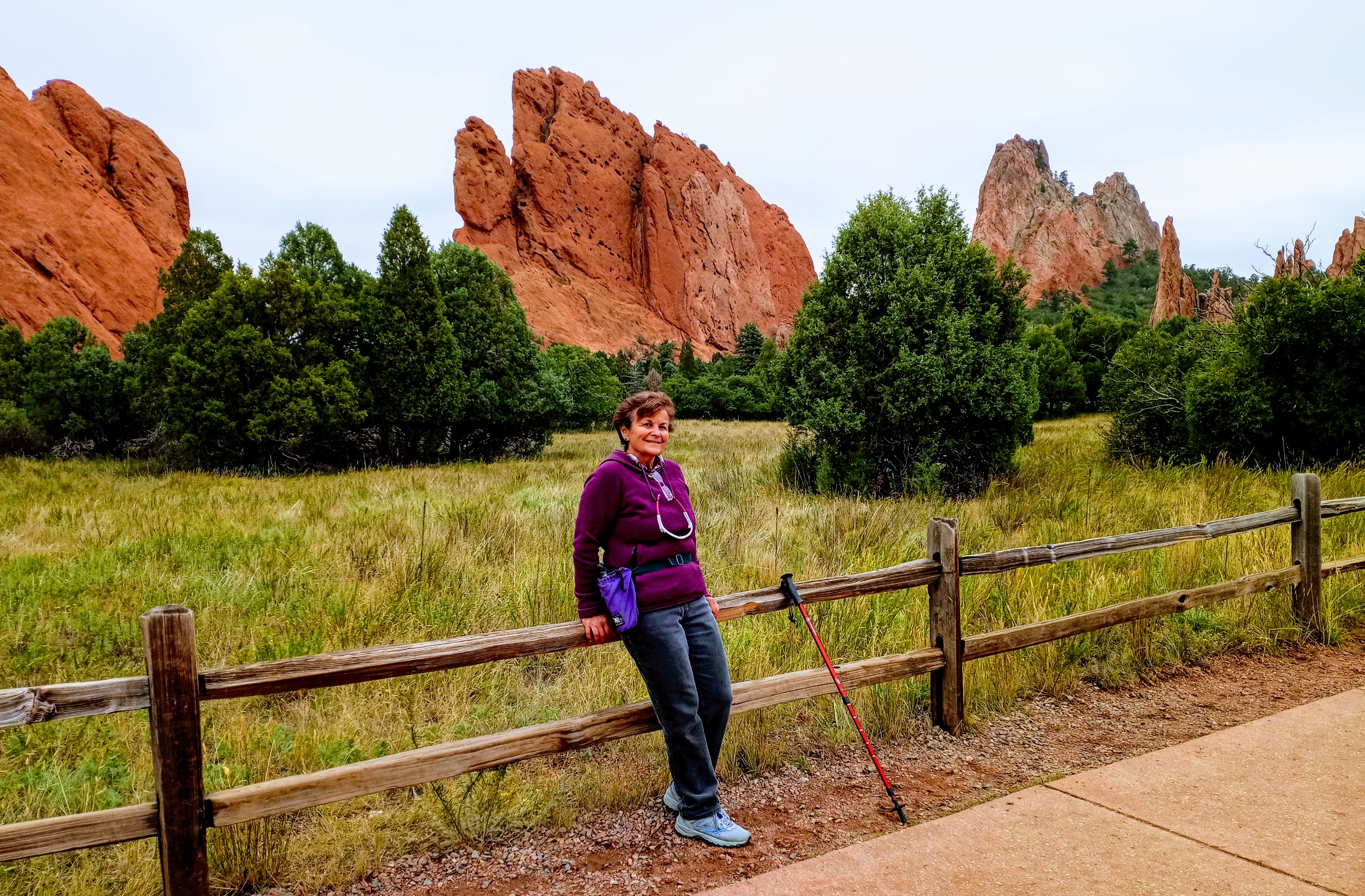
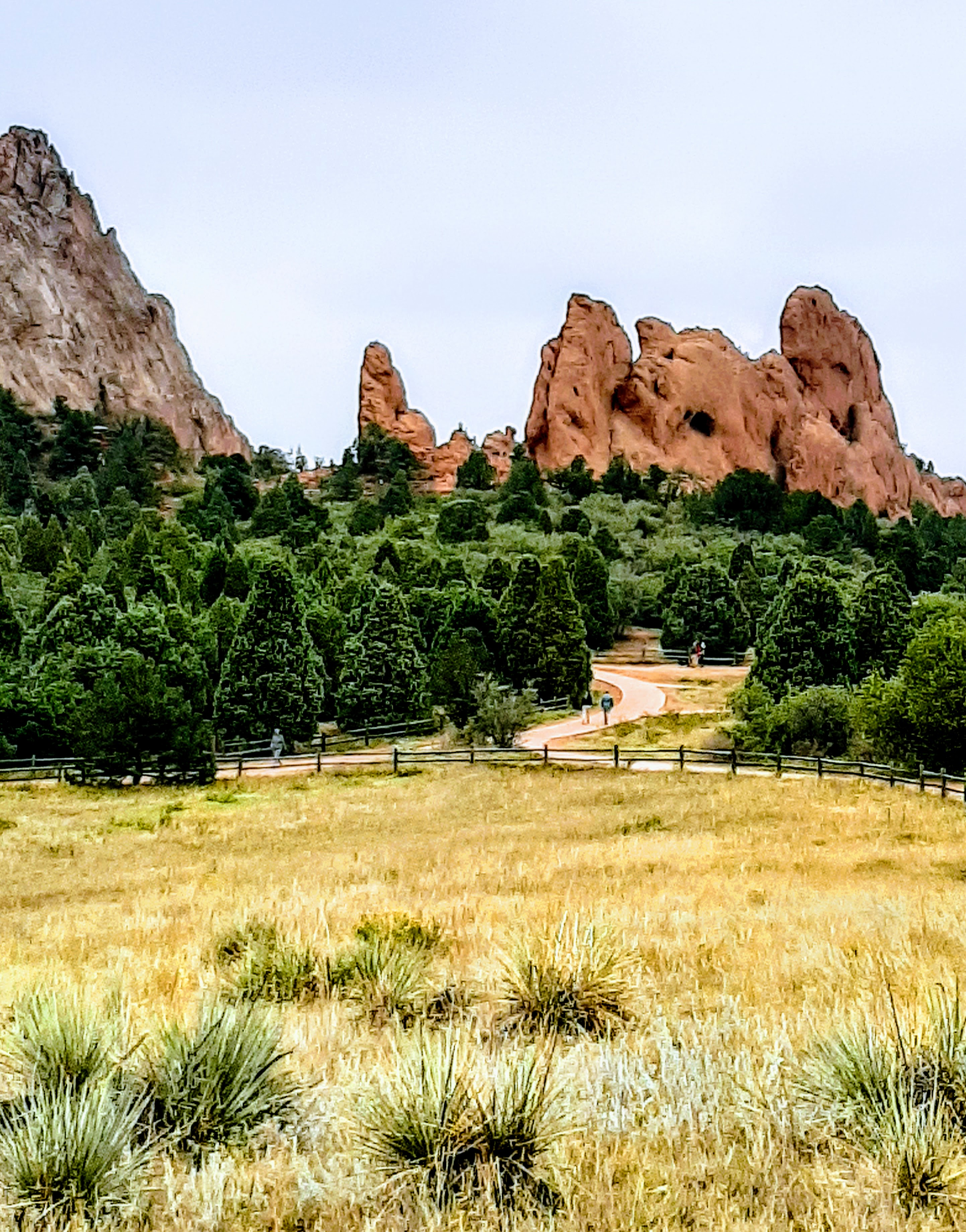
An altered itinerary only blessed us with a few hours to tramp a portion of Garden of the Gods in Manitou Springs. Sauntering past astounding red sandstone formations given names such as The Three Graces, Kissing Camels, and Cathedral Spires humbled our prideful souls. With a wide variety of paved paths and hiking trails beckoning, we’ll be certain to pass this way again.

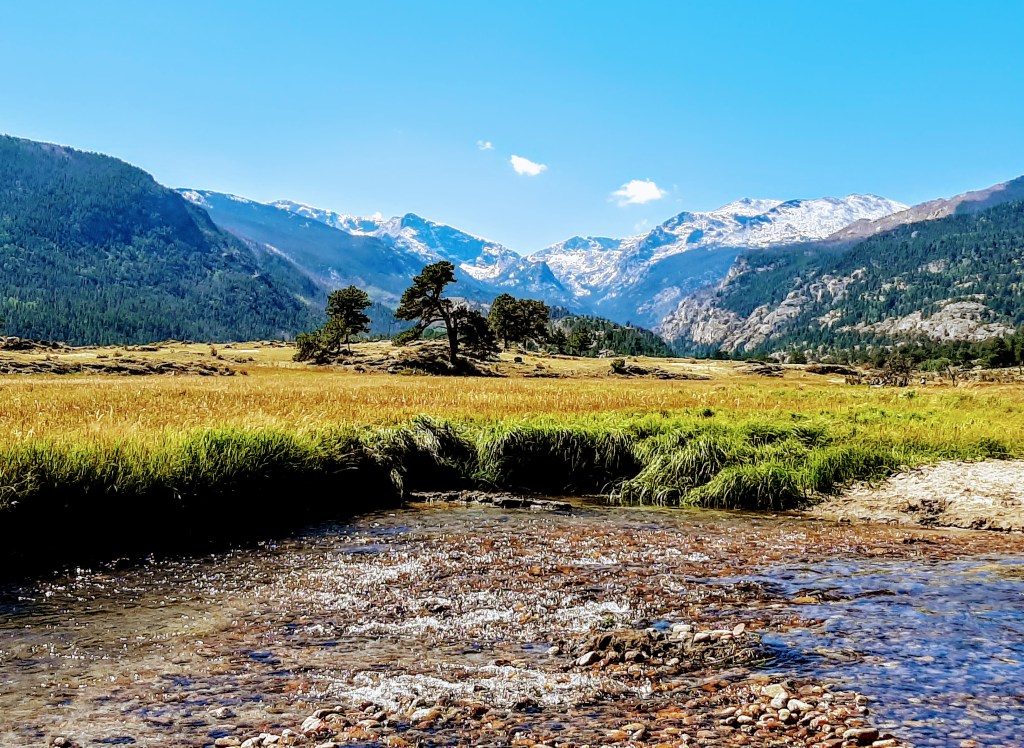
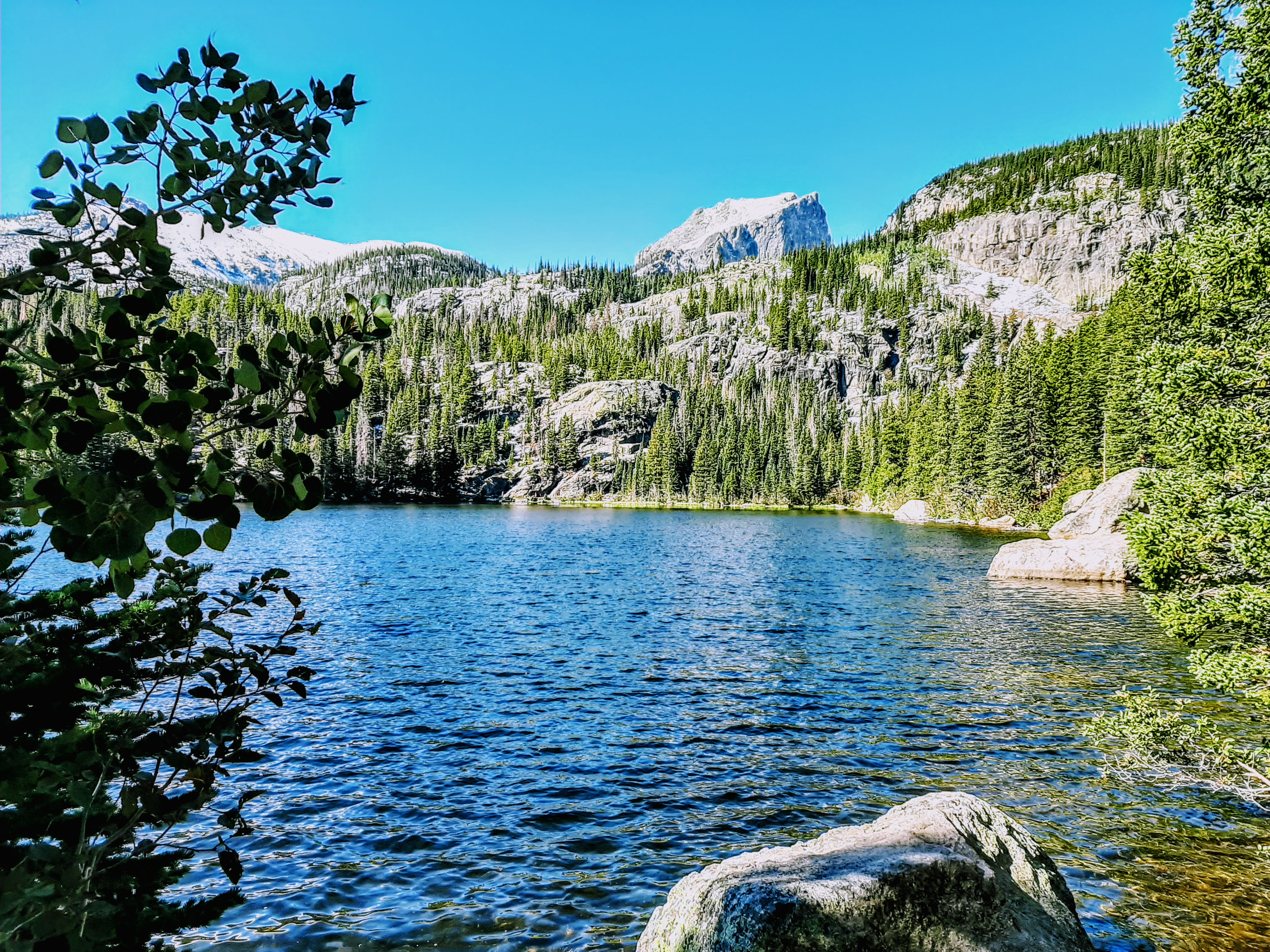
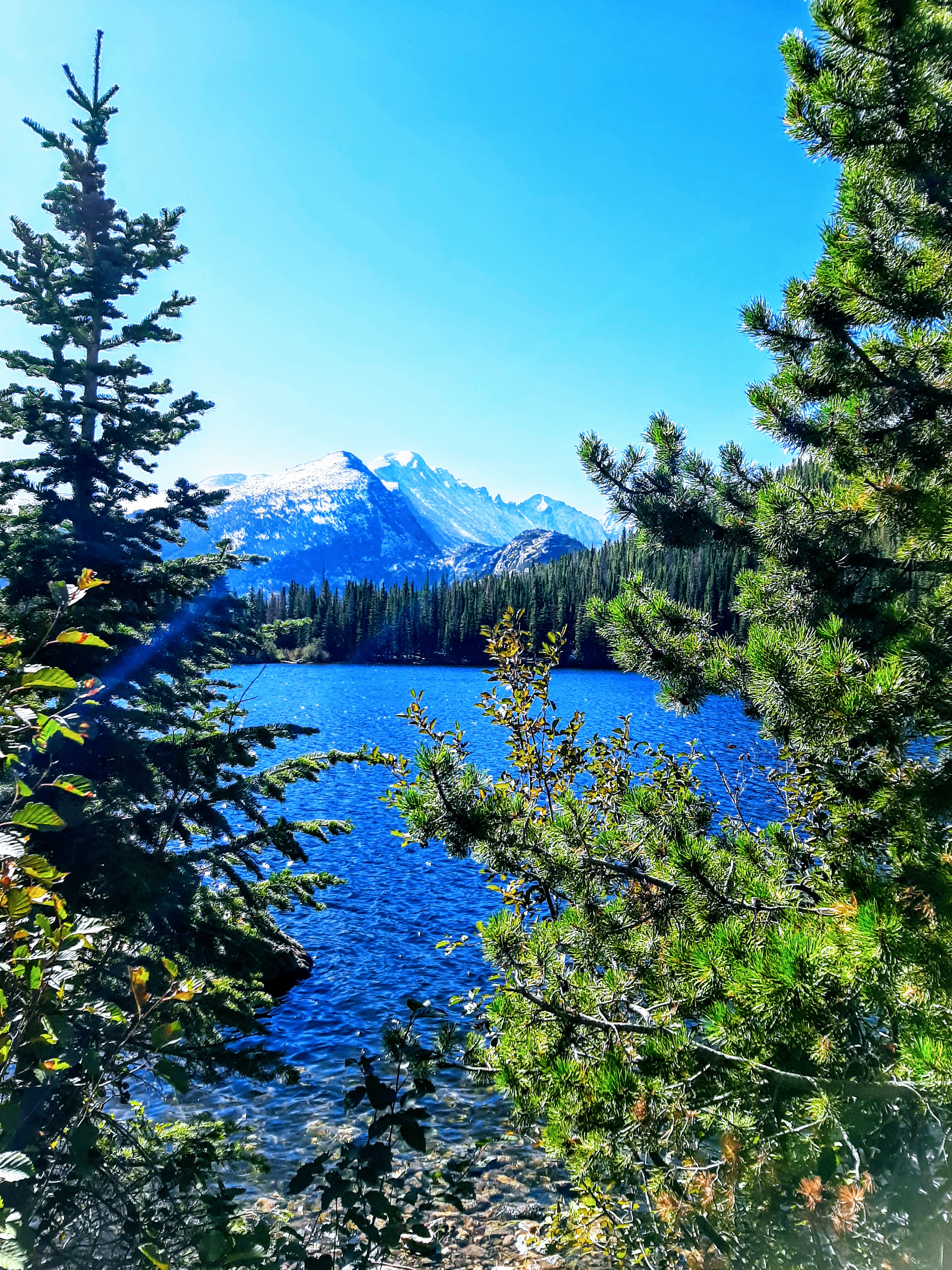
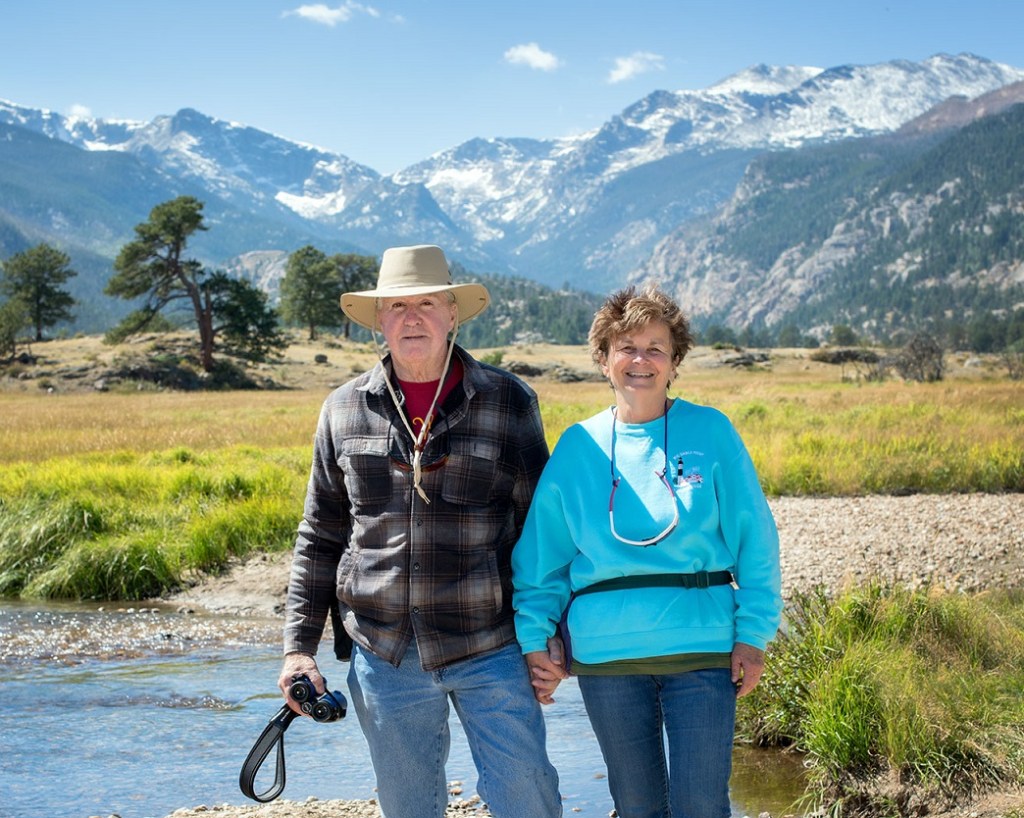
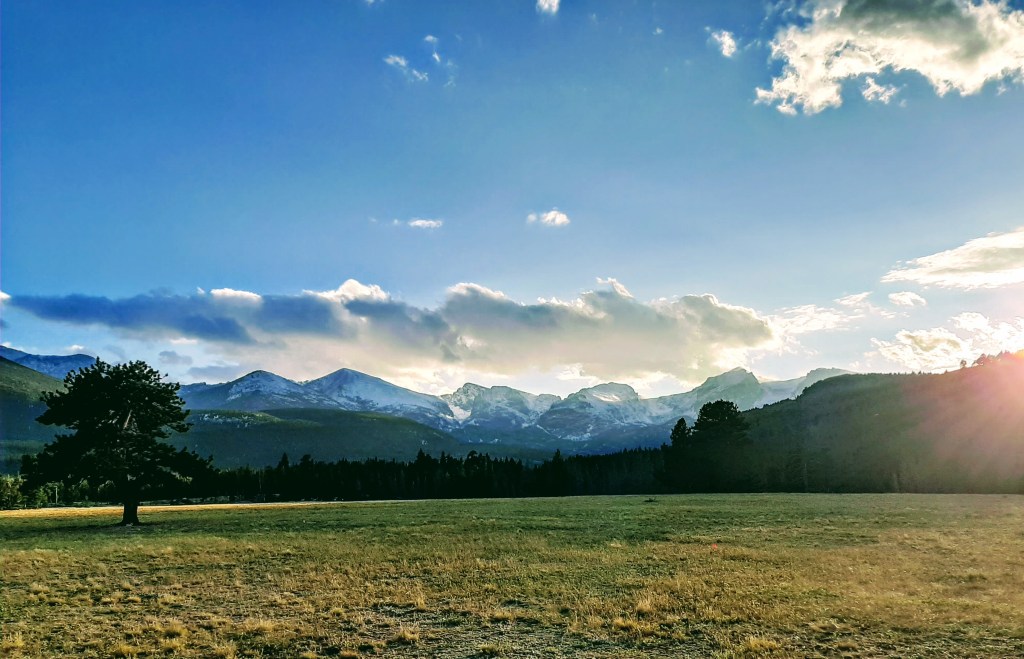
Glacier Basin Campground in Rocky Mountain National Park didn’t provide many amenities—no electricity or showers; restrooms closed due to Covid-19; and campfires prohibited due to massive wildfires throughout Colorado. But none of that mattered when compared to its fantastic, picturesque setting. Chains of mountain ranges blanketed in lodgepole pine, douglas fir, and quaking aspen encircled our valley.

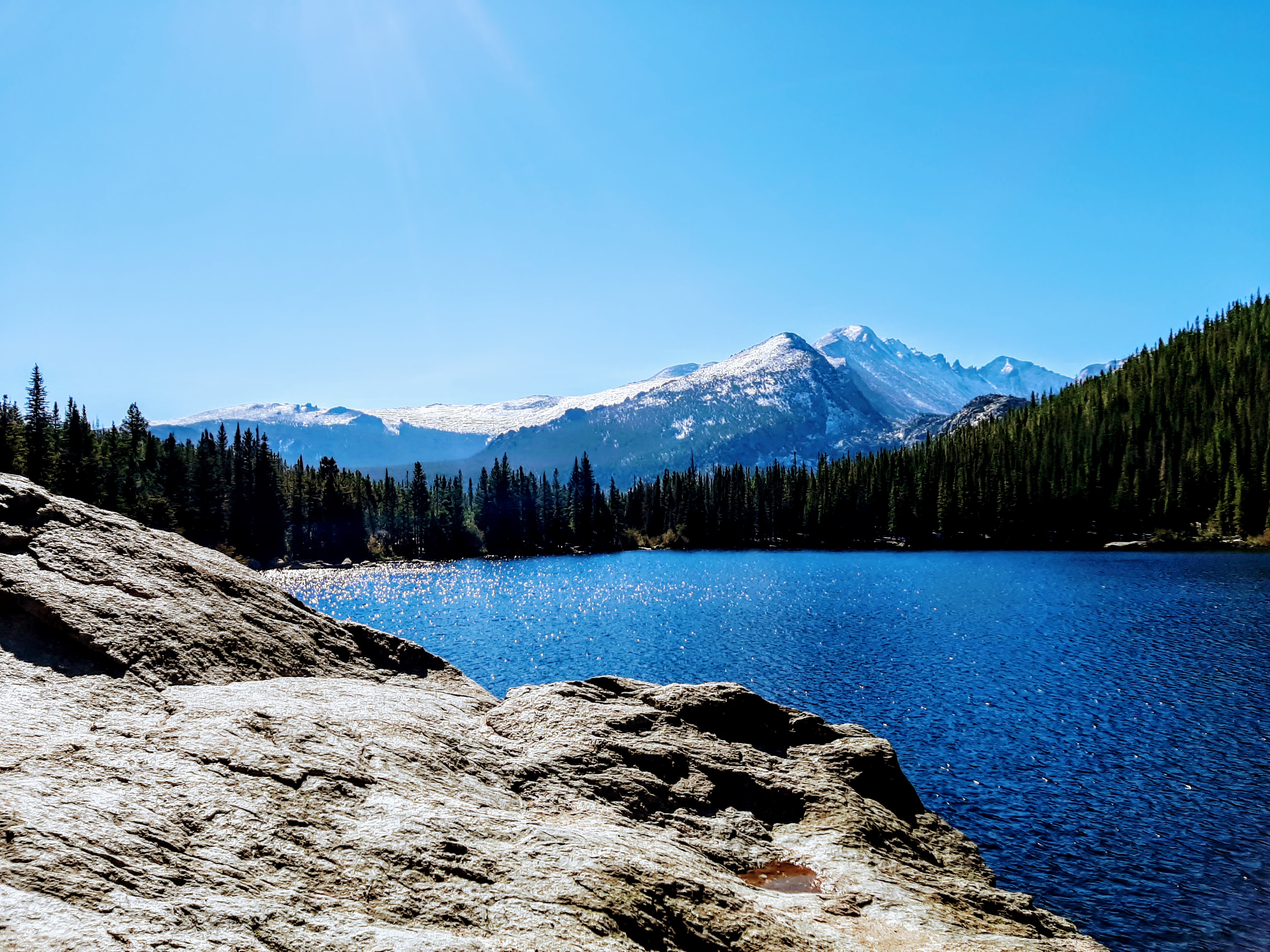
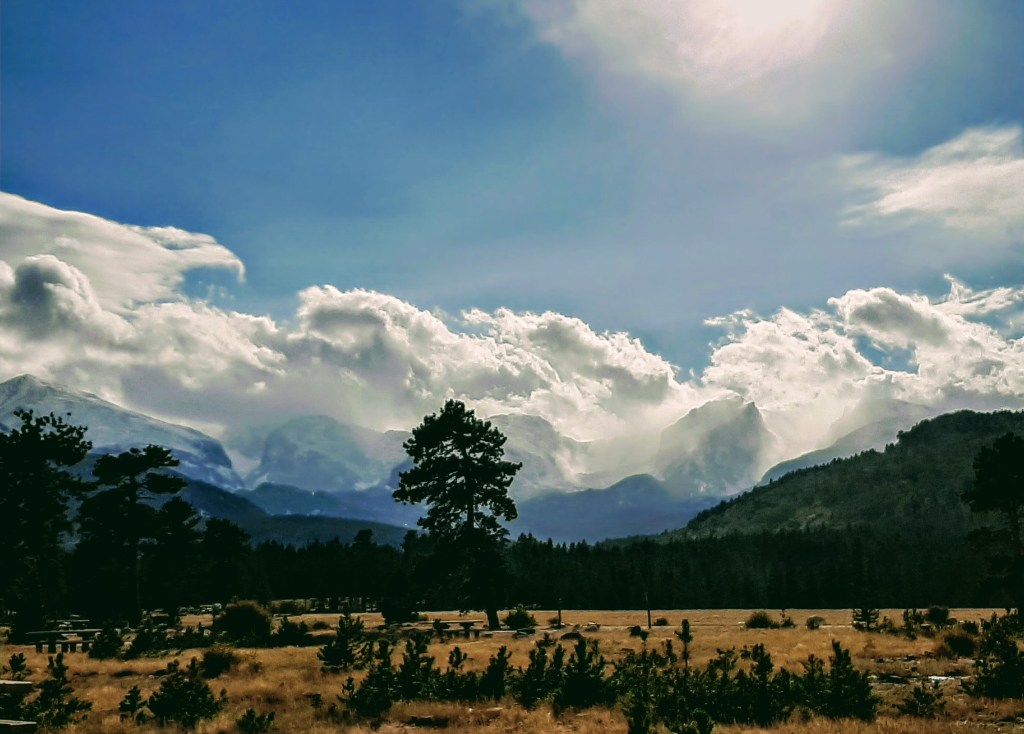
Among the Swiss Alps-looking pinnacles blustery winds swirled powdery snow across three glaciers and alpine tundra.

Free shuttles offered transport to several hiking trails and lakes enabling us to sit back, enjoy the passing beauty, and search for bighorn sheep. Jerry still hadn’t acclimated to higher altitudes. We limited ourselves to tramping fairly flat perimeters of pristine Bear and Sprague lakes while keeping an eye and ear out for whistling yellow-bellied marmots, meeping pikas, and growling black bears. Breathing deeply of crisp, pine-scented air invigorated while extraordinary views around every bend captivated.

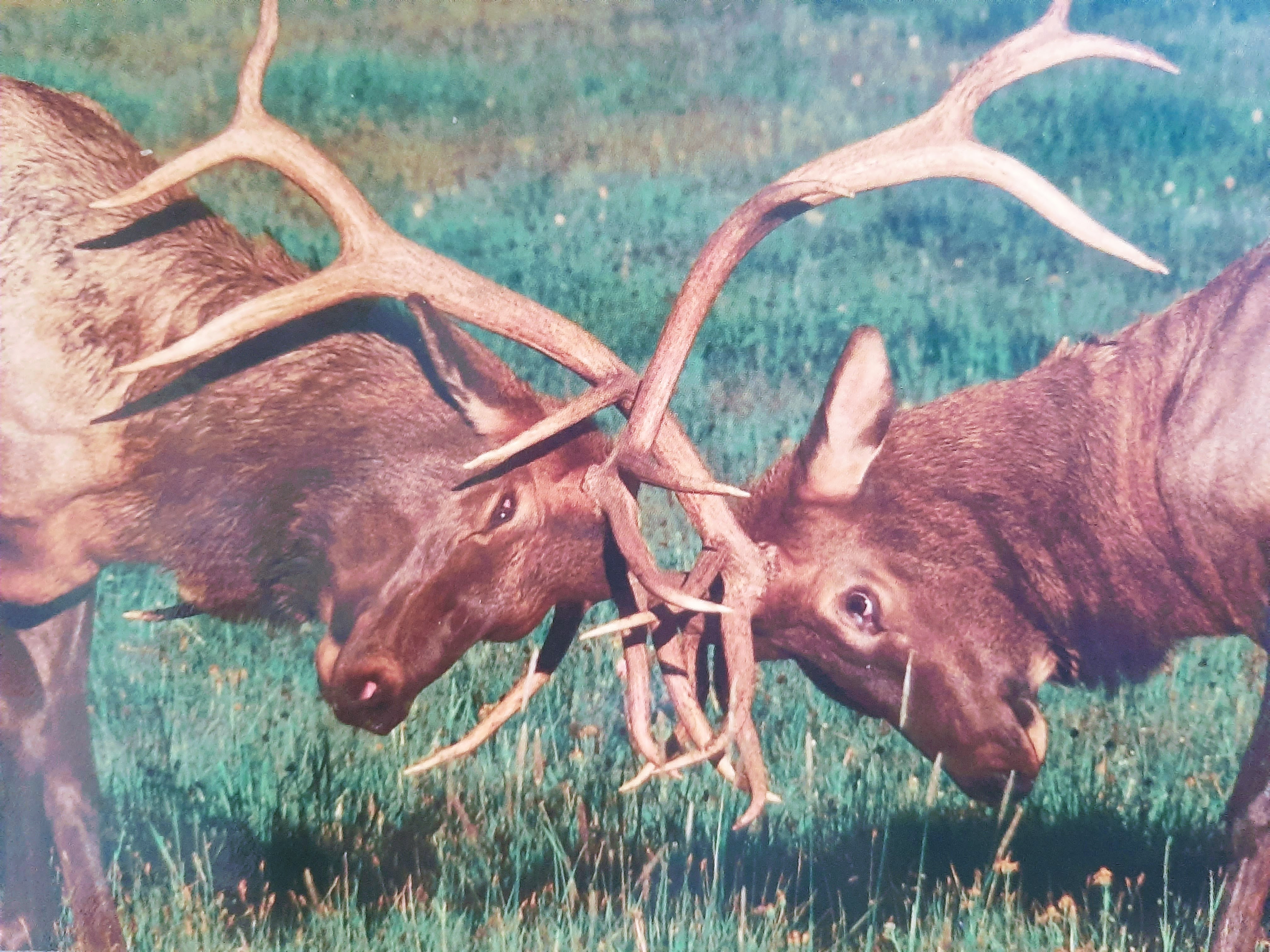
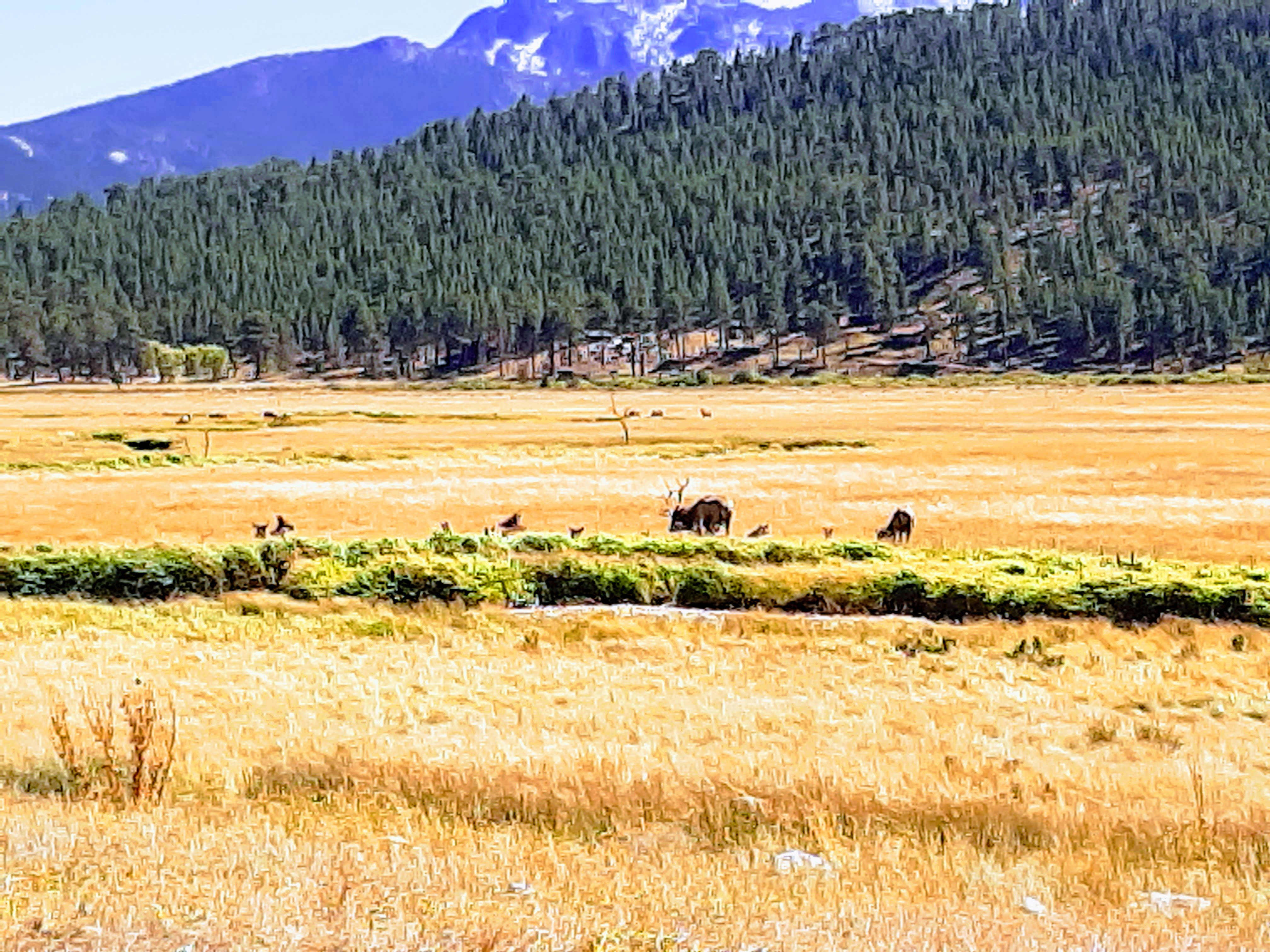
One afternoon in the wide golden meadow of Morraine Park the antics of two elk herds entertained. Dueling bulls clashed antlers, alternately posing and chasing one another, competing for females. Offspring munched grass, unconcerned, near a bubbly brook as their father’s calls rose to high-pitched squeals before dropping to grunts.

At day’s end we’d lie back in outdoor recliners, bundled in quilts, and turn faces upward to diamond-studded blackness. The Milky Way’s brilliance humbled us; silence cleared the chaos in our minds; and solitude brought renewal of body and soul. We departed these majestic mountains on Route 34, following Big Thompson River strewn with boulders and fly-fishermen in waders. Chiselled granite walls rose like a fortress on both sides descending through the gorge. I have no doubt we’ll return to this primeval paradise where eagles soar, elk bugle, and the wilderness whispers its secrets.

I am well again, I came to life in the cool winds and crystal waters of the mountains— John Muir

Thank Goodness for the Great Outdoors—Part 1, Hikes & Bikes

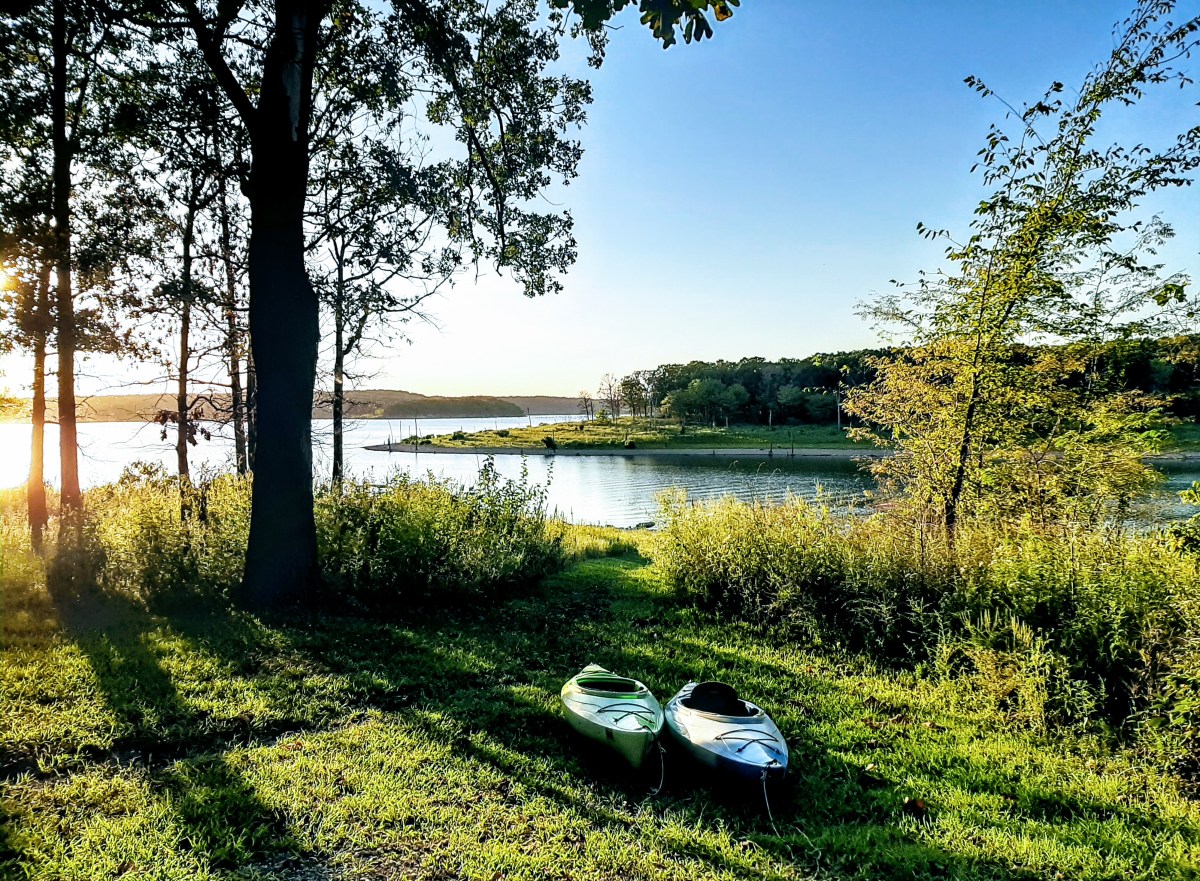
Campsite at Truman Lake

The heavens declare the glory of God; & the firmament shows His handiwork.” Psalm 19:1 NKJV

“Expect the unexpected” and “Be flexible” have been my mantras this year of the Covid-19 pandemic. The summer-that-wasn’t slipped by almost unnoticed without the usual social events of outdoor concerts, wineries, and car shows. Our RV vacation that should have been to Southern CA got reconfigured. Thank goodness outdoor activities were still available.

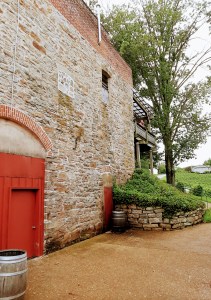
Stone Hill Winery

Charming, historic Hermann was our 1st stop in Missouri. Residents went far beyond common courtesy. Tammy, the Director of Tourism & Economic Dev. stopped to visit our campsite at City Park. She encouraged a 5 minute walk to Stone Hill, the state’s oldest winery, established in 1847. Panoramic views of the old-world town created a perfect backdrop for award-winning wines, fermented from 11 varieties of grapes including Norton, America’s first native grape.

Also recommended was a scenic portion of the Katy Trail to cycle, plus The Corner Restaurant that served a scrumptious home-style breakfast. The owner, Katie, took time from her short-staffed hectic schedule to share family history of the cafe and her air B&B log cabin just down the road. Money earned from the B&B was donated so groups with disabilities could come and stay for free. Then this good-hearted woman refused to let us pay for our meal. “Just pay it forward at your next stop,” she said.

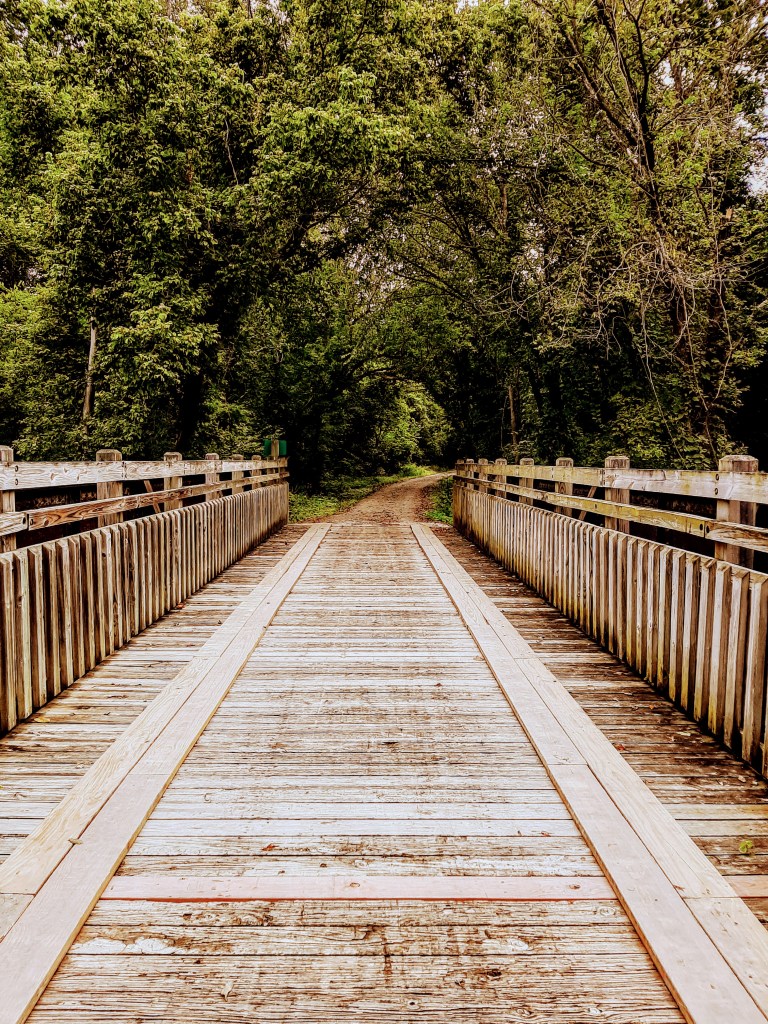
Katy Trail

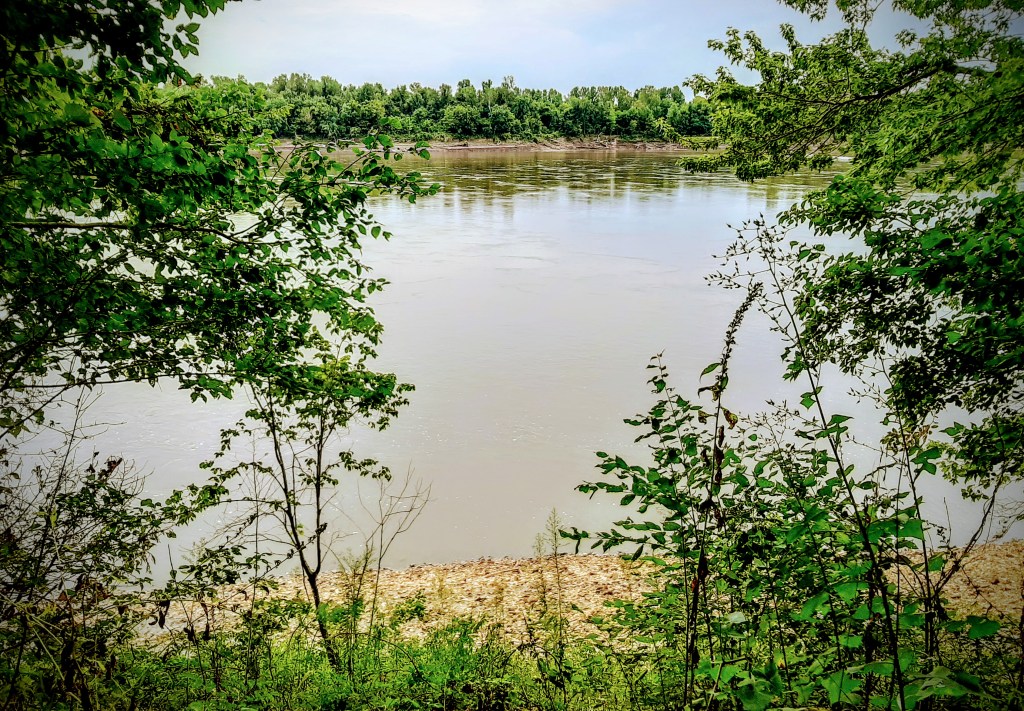
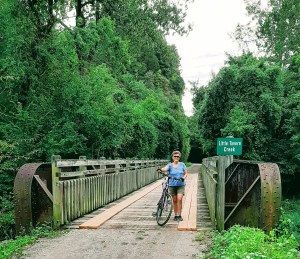
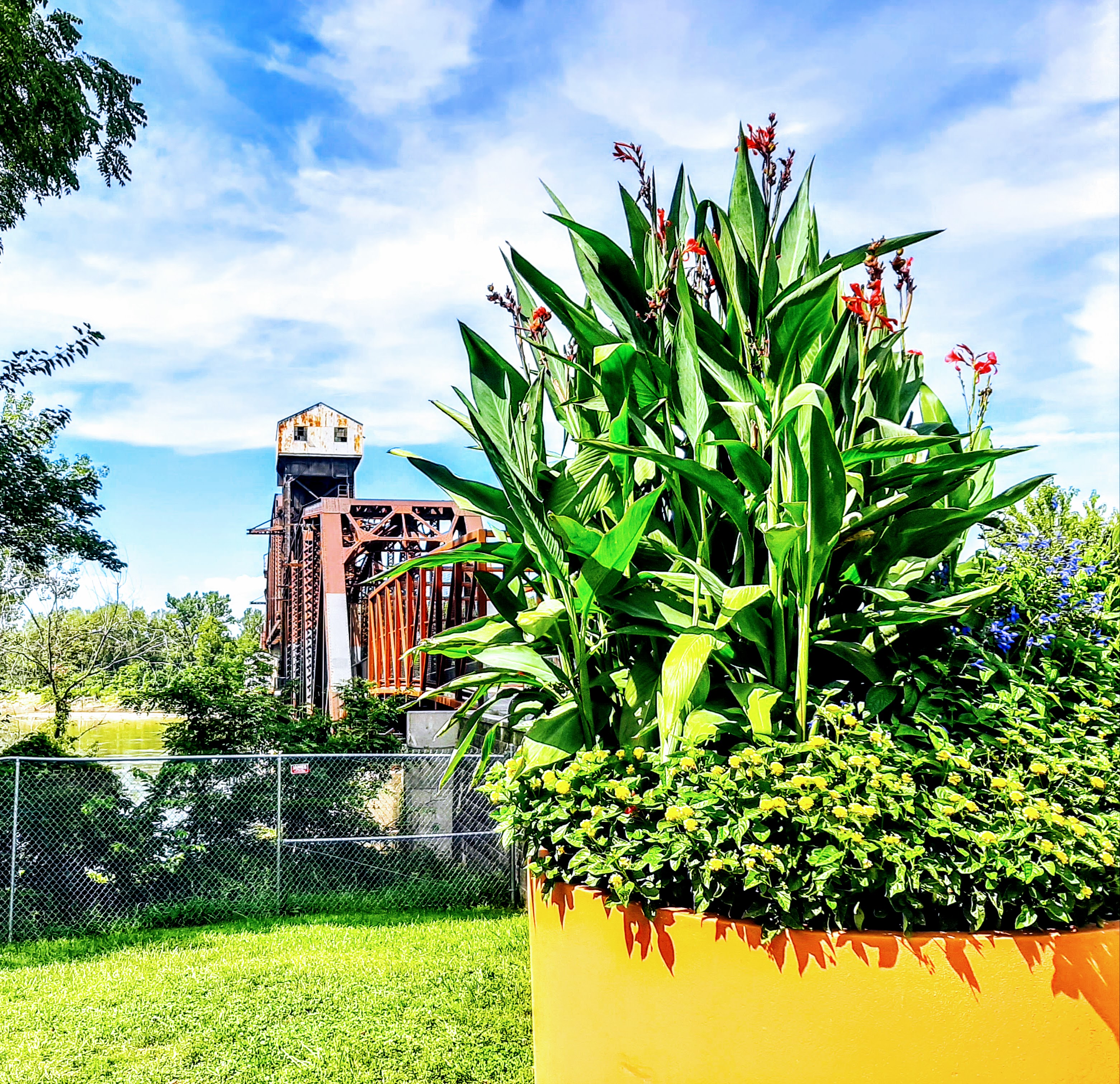
Besides authentic German cuisine, wine trails, breweries, and monthly festivals, Hermann lies just off the Katy Trail. At 240 miles,it’s the longest rails-to-trails in the U.S., most of it meandering alongside the Missouri River. Dramatic limestone bluffs guarded one side of the path we cycled from Bluffton to Portland. Dark patches of forest entangled with thick vines interspersed with wildflowers and scenic glimpses of the river on the trail’s opposite border. We crossed primitive iron bridges and studied signs portraying highlights of the Lewis & Clark Expedition as they paddled the river in keel-boats, exploring, hunting, fishing, and bartering with local Indians. Now that was a REAL adventure! Additional knowledge was gleaned about these early adventurers and the MKT railroad/Katy Trail from a side trip to Boonville’s River, Rails, & Trails Museum along with nearby walks to the historic train depot and Katy Bridge, currently under restoration, which spans the wide Missouri River.

Our next port of call was Thibaut Point Park on Truman Lake adjoining Lake of the Ozarks. Kayaks were slid into the water from our campsite. We crossed a small inlet observing 2 bald eagles perched atop a bare tree who kept a keen eye on the 2 crazy humans below. This 55,000 acre lake is a summer breeding ground and winter habitat for eagles. Reclining near the shore in late afternoon, we delighted as they and turkey vultures soared in wide circles, hunting for dinner. Hummingbirds and butterflies feasted on nectar while bluebirds, cardinals, and a variety of shorebirds flittered about. The only obnoxious critters were the dive-bombing horseflies, making paradise not quite perfect. However, day’s end presented extraordinary sunsets, then starlit skies as we sipped wine around the campfire.

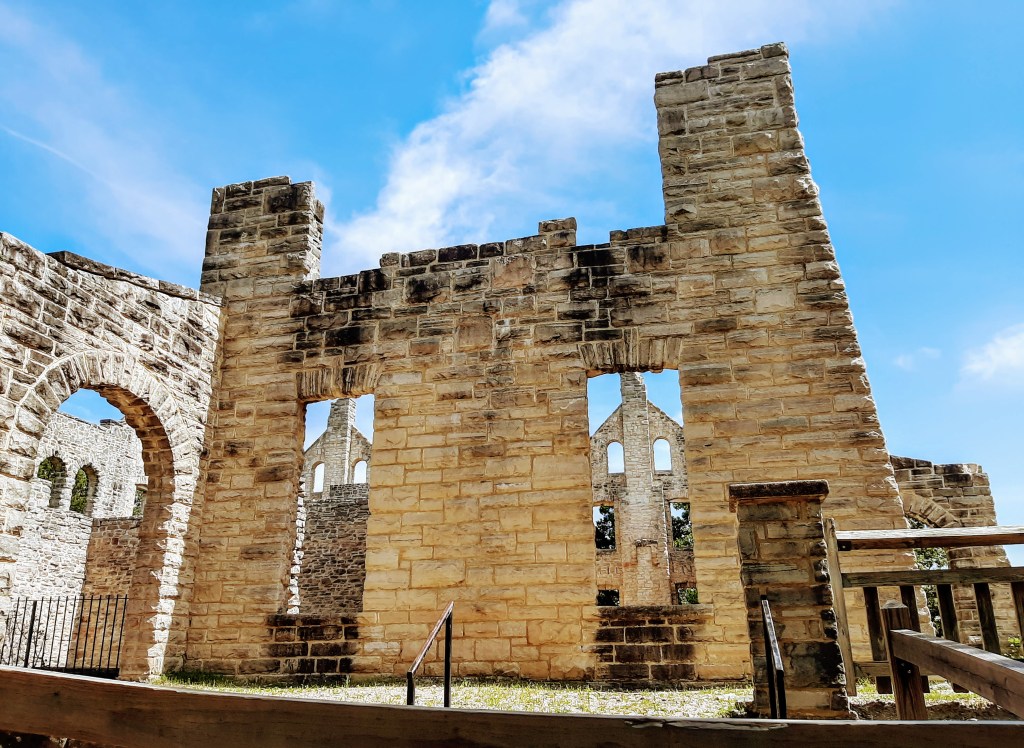
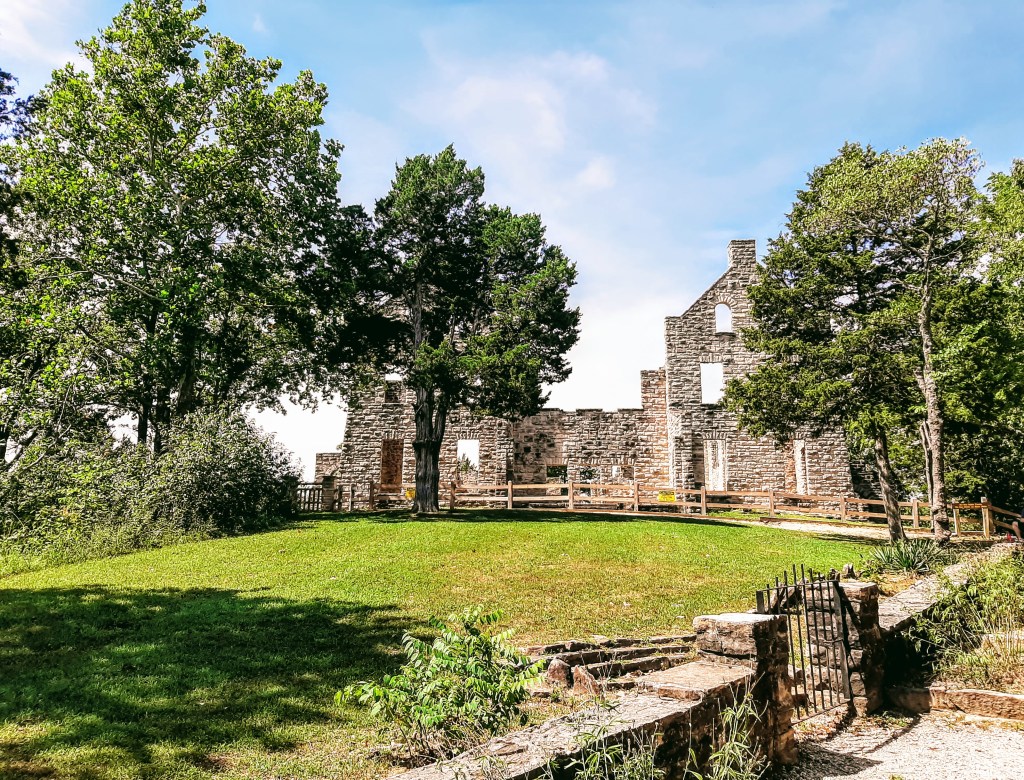
The Castle

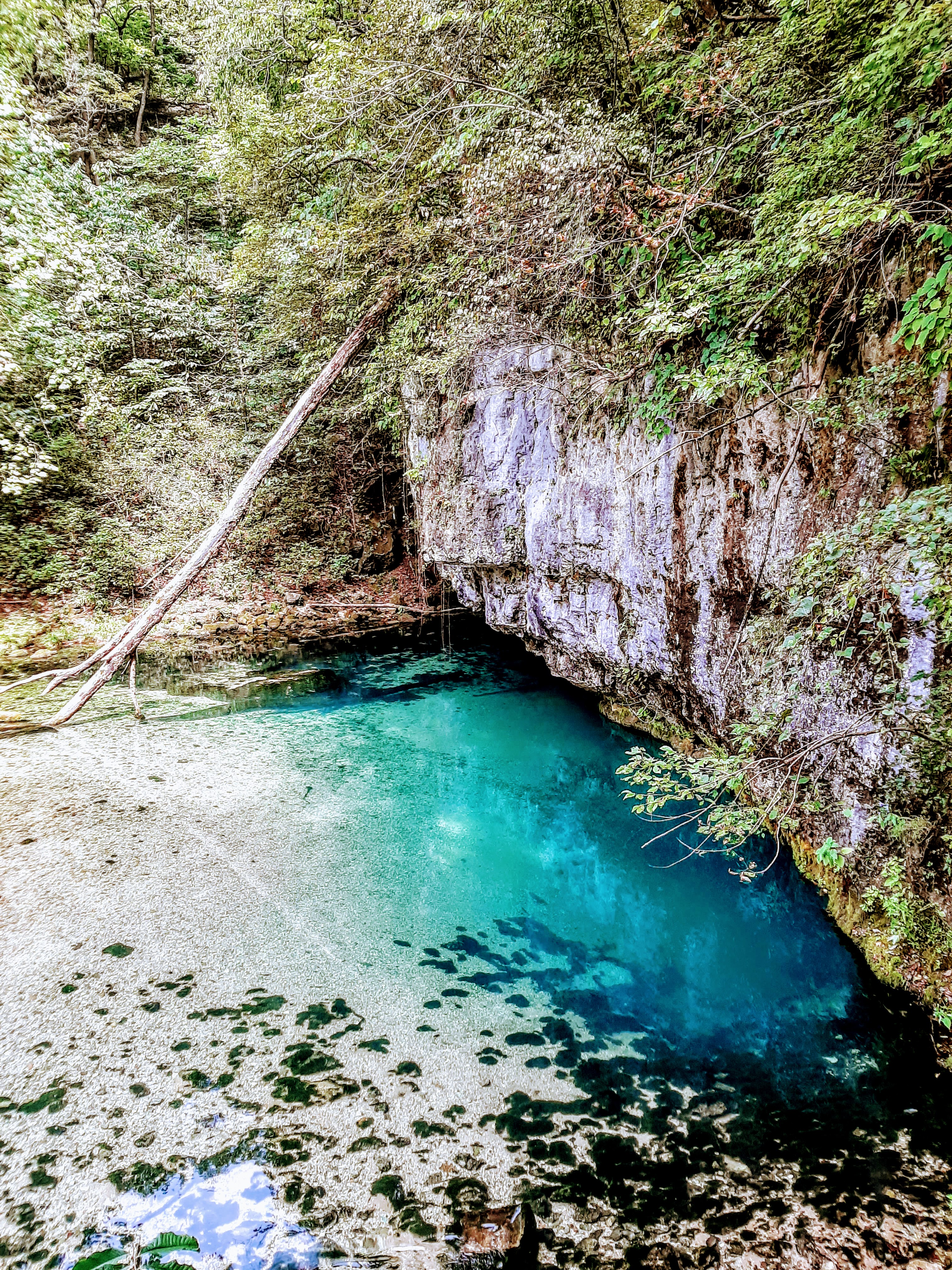
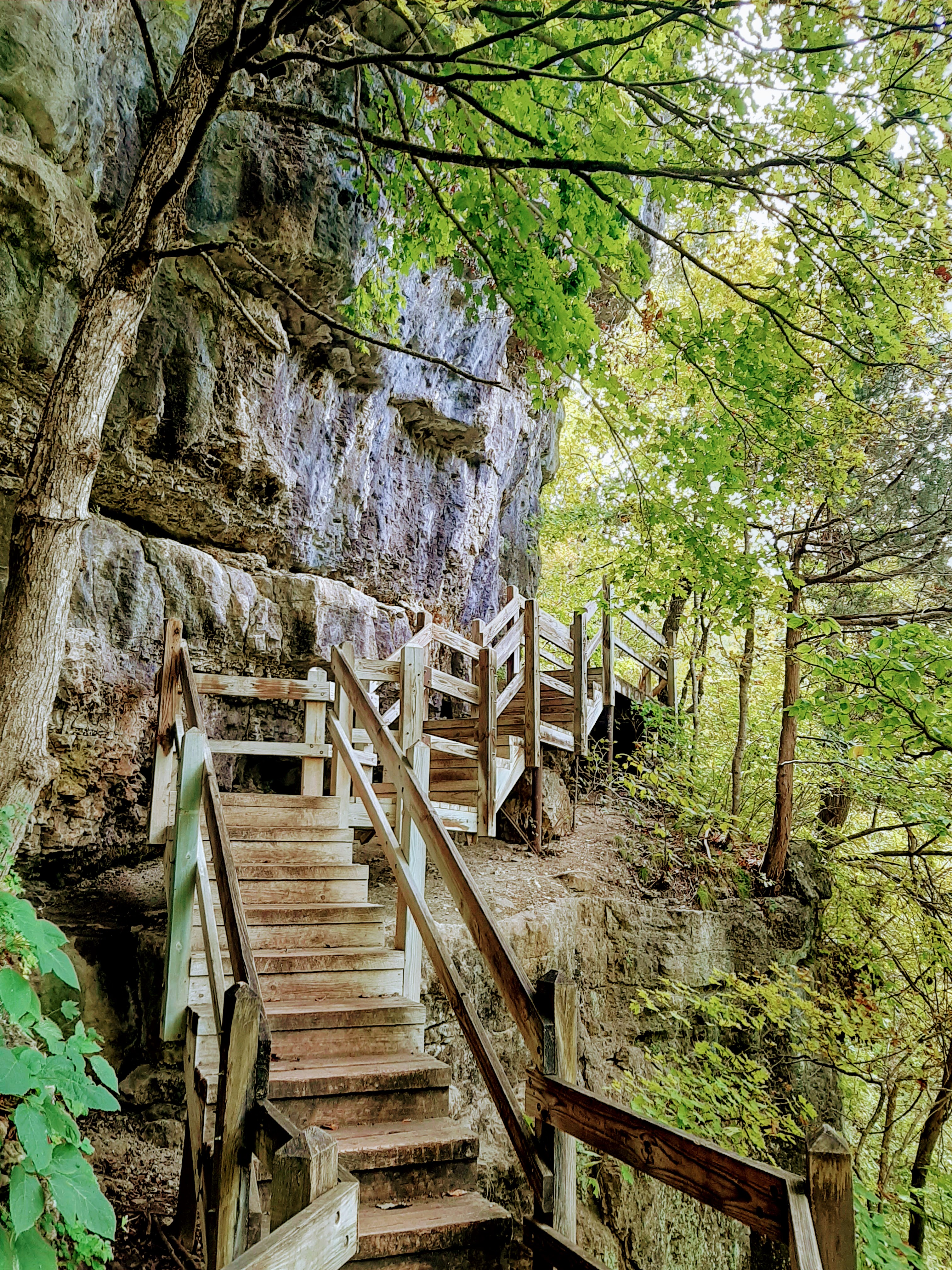
An hour southeast of Truman Lake lay HaHa Tonka State Park. We met our exercise quota there investigating The Castle, a burned out stone mansion constructed in the early 1900s with two tragic tales haunting its impressive ruins and grounds. Overlooking a finger of Lake of the Ozarks, we peered through hardwood forest and glimpsed the natural blue-green spring far below. An anticipated 30 minute jaunt down transformed into a challenging 2+ hour trek. The well-maintained boardwalk of the Del Rim Trail was the preamble to a descent of 360 wooden steps leading to the Spring Trail wandering beside an idyllic spring pool. Lush ferns, flowers, and nutrient-rich earth permeated the cool air. But what comes down must eventually go back up—if you want to get to your car! Only 60 steps and a significantly steep and rocky trail eventually brought us back to where we began.

After a nourishing sleep we packed up and pointed the RV in a westerly direction, heading to Colorado. But 1st we had to make it through the wide, wide state of Kansas. The journey will continue in my next excerpt of “Thank Goodness for the Great Outdoors—Part 2, Rails & Trails”.

“Receive My peace as you lie down to sleep with thankful thoughts playing a lullaby in your mind.”—Sarah Young

New Zealand #2—A Land of Paths

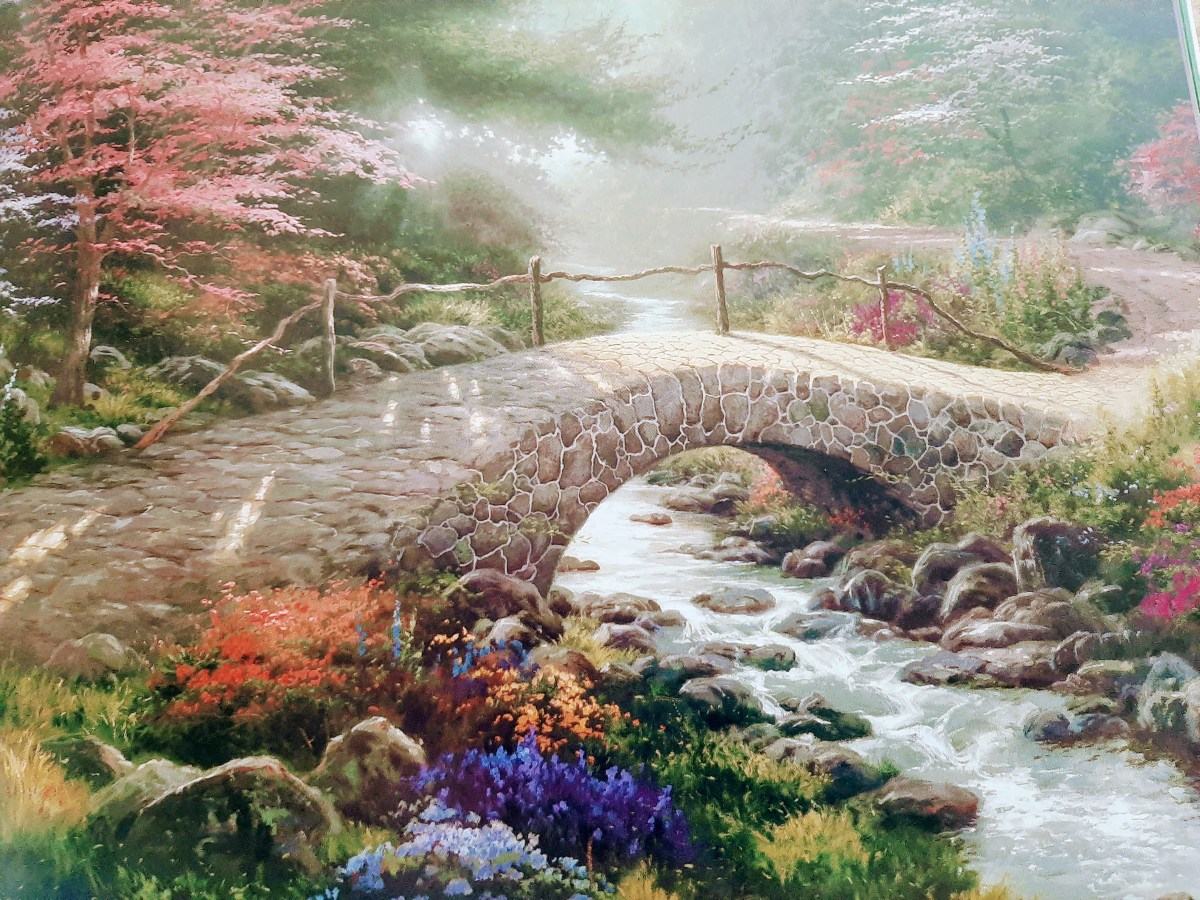
We all have a long road to walk. We have desires, dreams, destinations. We have hopes & goals. So we begin to map out a course for our lives. Some may map the logical routes; others might take the roads less traveled. However, we would do well to always hold our life map loosely. We may set our goals, lay out our courses, and map our lives, but when it’s all said & done, God is ultimately overseeing it all.

Painting & excerpt from “Glorious Refrains” by Thomas Kinkaid

Lovers of tramping are drawn to New Zealand’s numerous trails maintained by local Kiwis. The most difficult part is choosing from kauri forests, coastal panoramas, historical and archeological sites, bird and wildlife viewing, waterfalls and streams. So many choices, so little time. A few we ventured down on North Island were gotten to by car, but some were only accessible by boat.

  1. Quaint, historical Russell lies across the bay from Opua. This haven for wanderers, artists, and romantics was where Zane Grey wrote about its world-class sport-fishing. Sea excursions were offered via kayak, square rigger, or yacht. For trampies there was a 2.5-km walking track that began near the boat ramp on the Strand, leading to Flagstaff Hill. Follow a grassy path 1-km further north for Tapeka Point to an ancient pa-historical fort, and delight in views over the Bay of Islands.

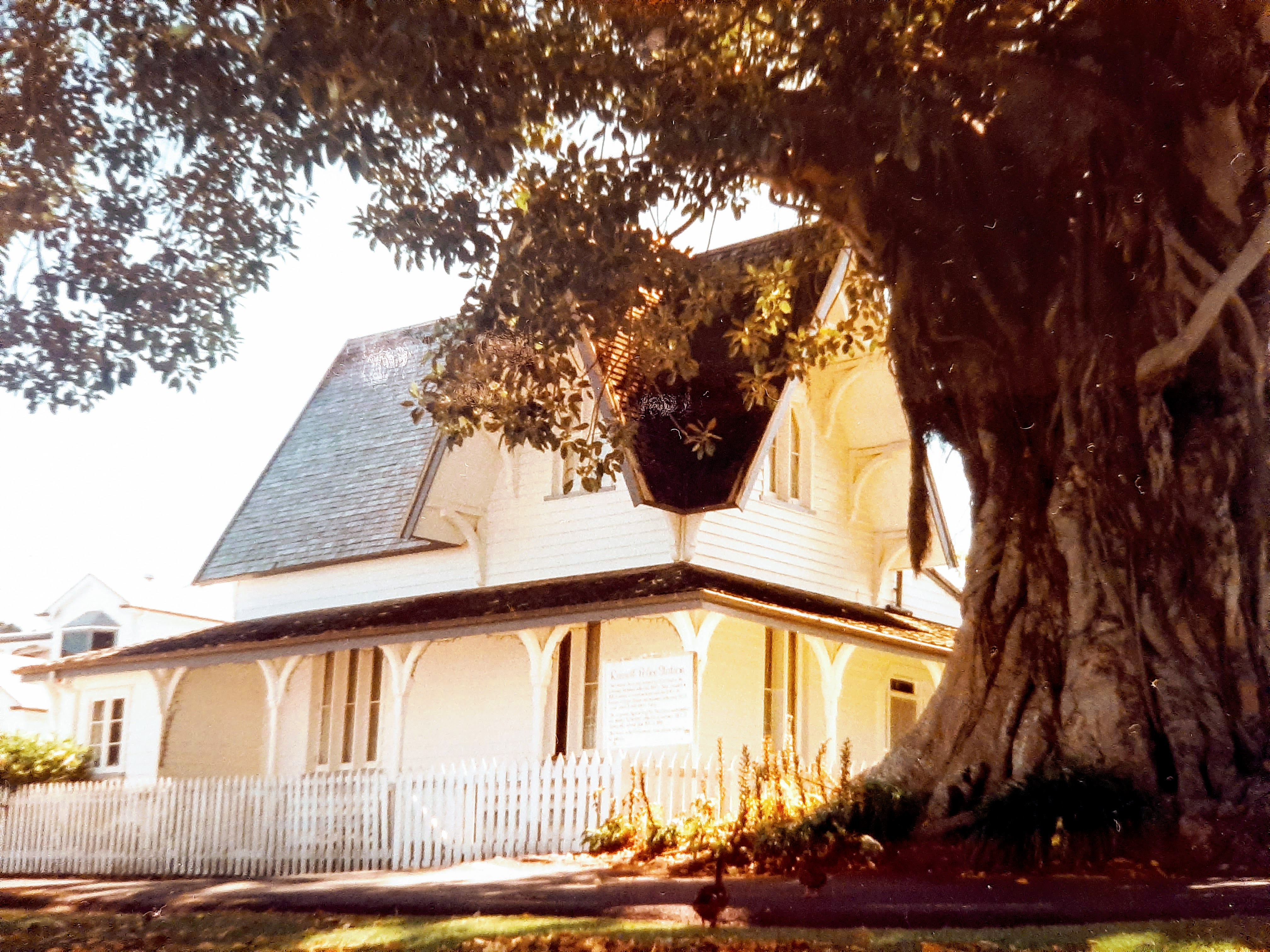
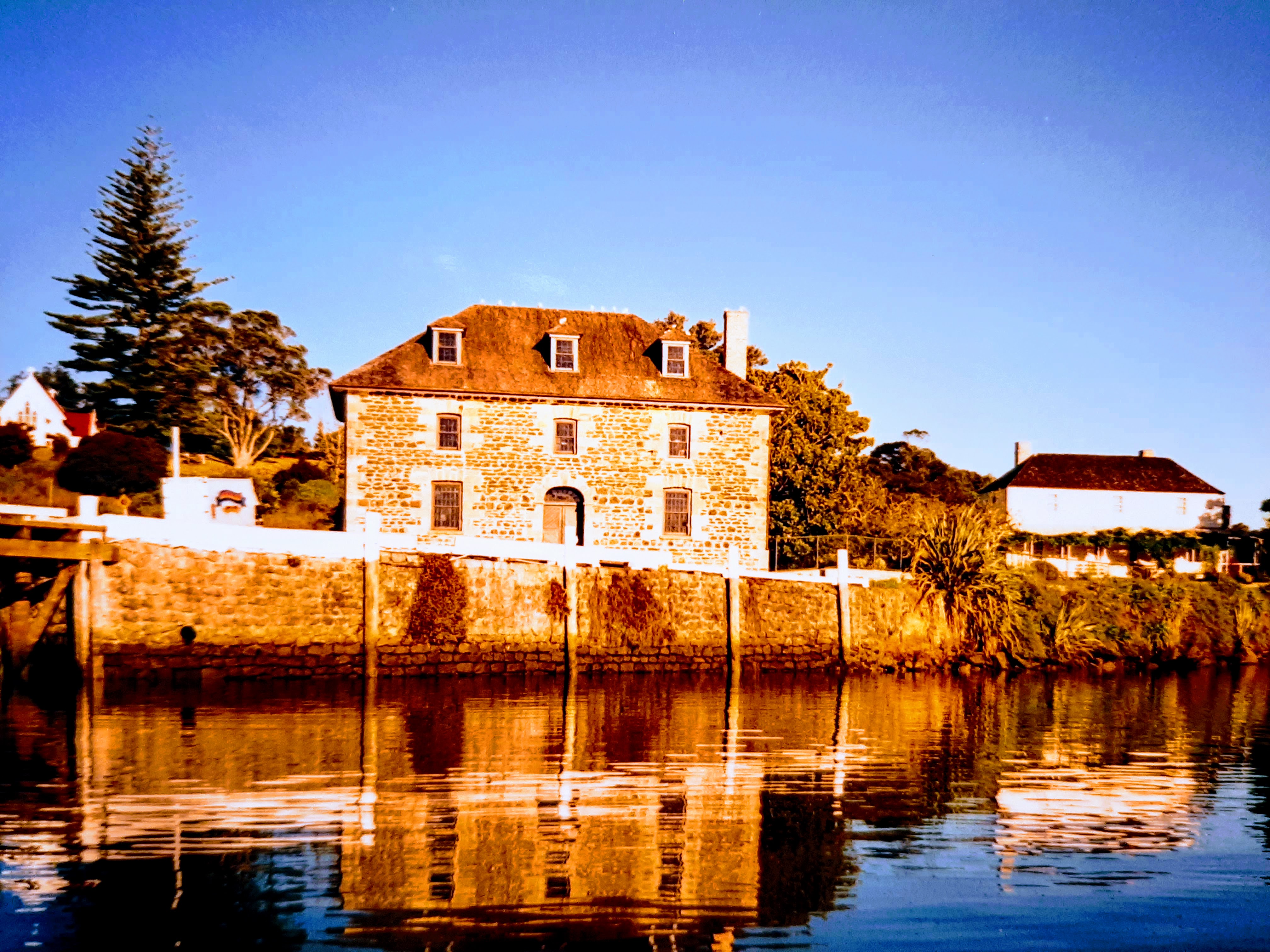
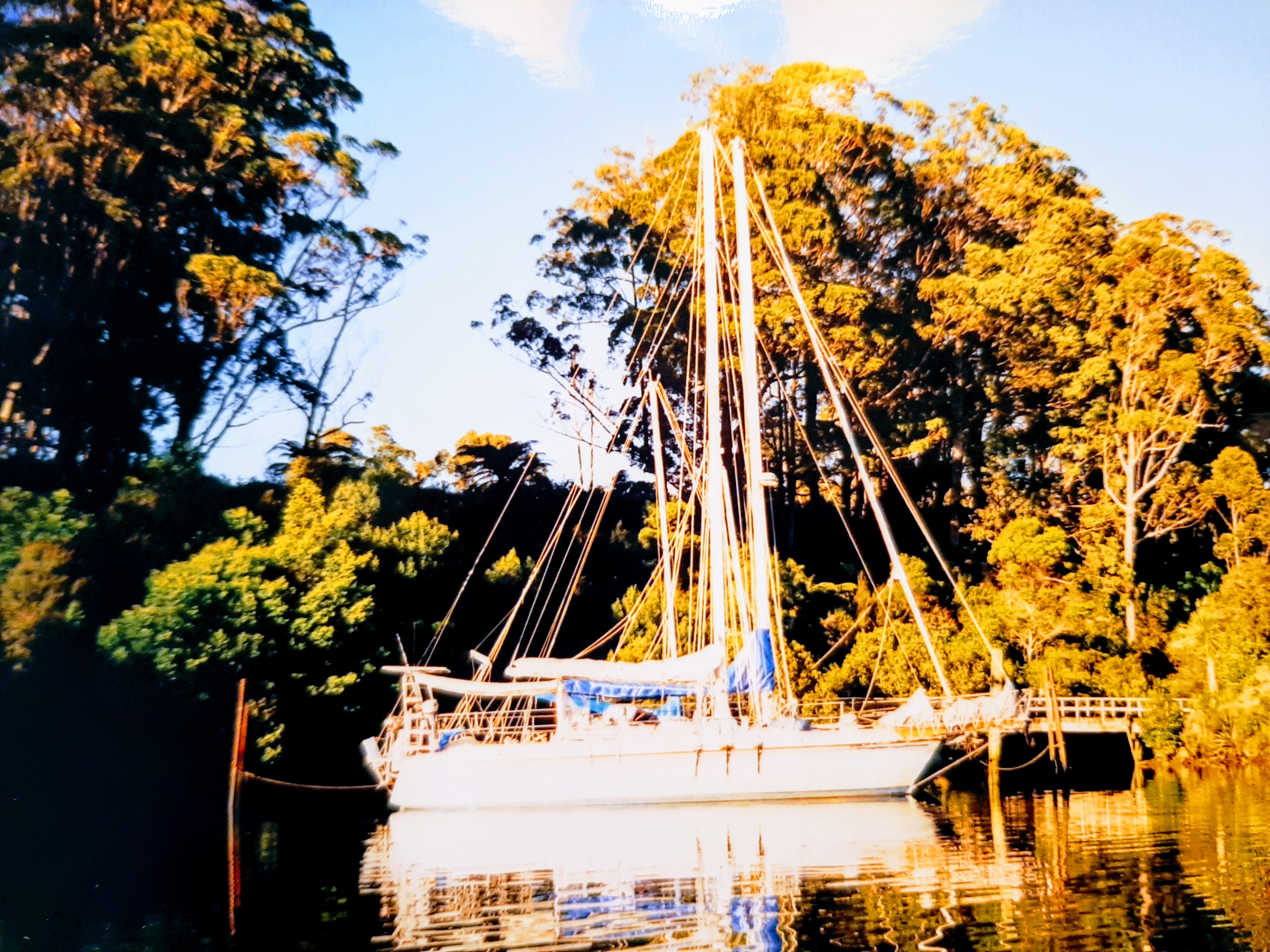
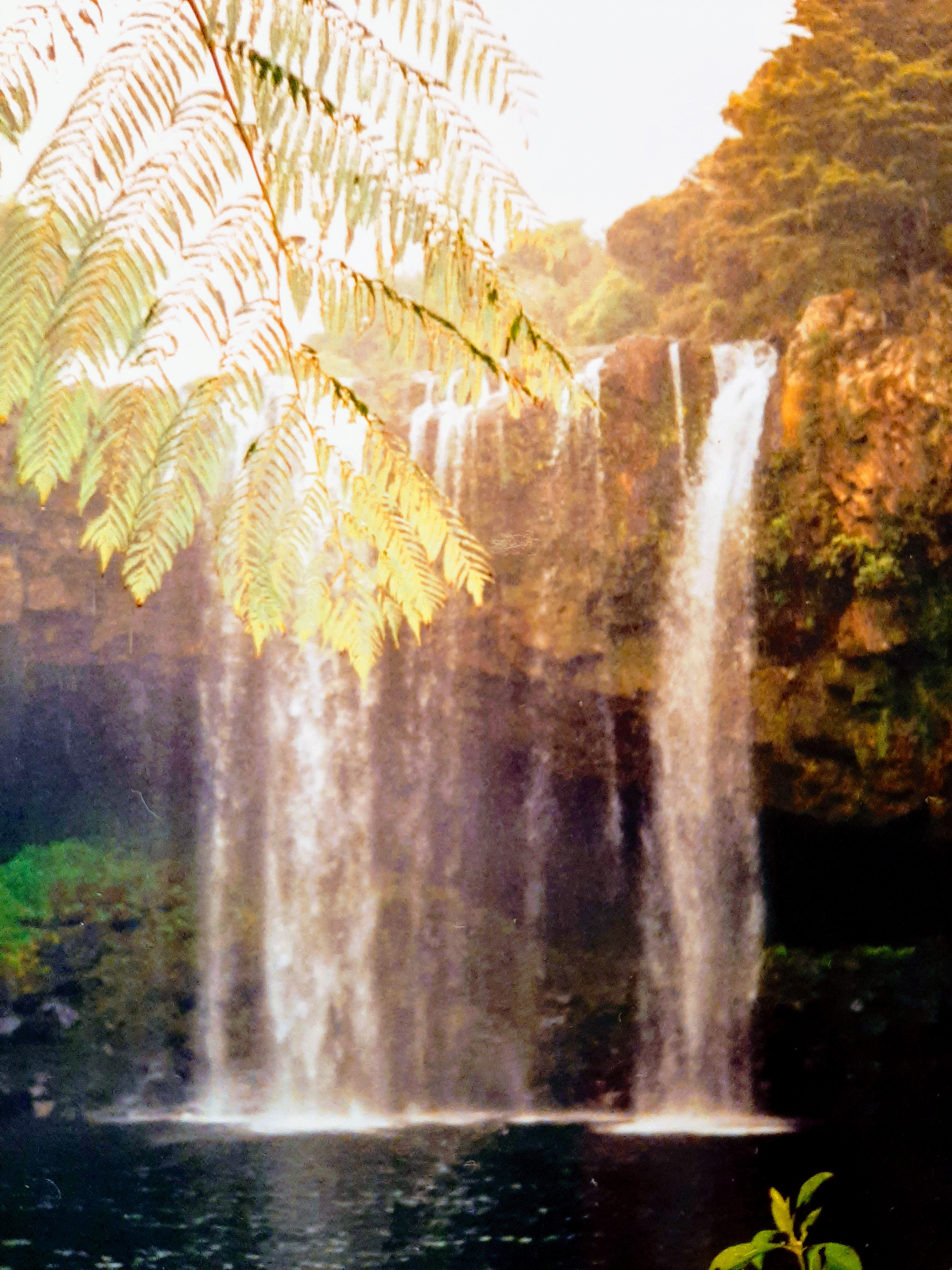
2. Kerikeri Basin harbors a network of paths ranging from 10-minutes to 1-1/2 hours. We side-tied to a friendly local’s sailboat adjacent to the Stone Store and nearby Mission House. Built in the early 1830s, Wesleyan missionary, John Hobbs intended it to house mission supplies, but was mainly used as a kauri gum trading store. From the Store a 30-minute walk headed downstream to Kororipo pa. Or from the carpark a 1-1/2-hour riverside path led upstream to serene Rainbow Falls. We never minded the 1-1/2-mile trek through a forest of Norfolk & other pines, eucalyptus, and fern archways to the town grocery.

3. State Highway 12 on Northland’s west coast led toward Waipoua Kauri Forest and Trounson Kauri Conservation Park where various hikes wound along boardwalks, protecting the tree’s shallow root system. Some of the oldest and largest Kauris in the world grow here. Several tracks also led through native trees of Taraire, Kohekohe, and Towhai to waterfalls and panoramic views across sub-tropical rain-forest to the Tasman Sea. The illusive kiwi bird, forest parrots, kingfishers, and large kauri snails were among the varied wildlife. To gain a broader understanding of these majestic trees and their history, we visited the Kauri Museum in Matakohe. There’s a working steam sawmill, logging equipment, displays depicting how gum was collected and specimens of NZ amber, fine kauri furniture, carvings, and more.

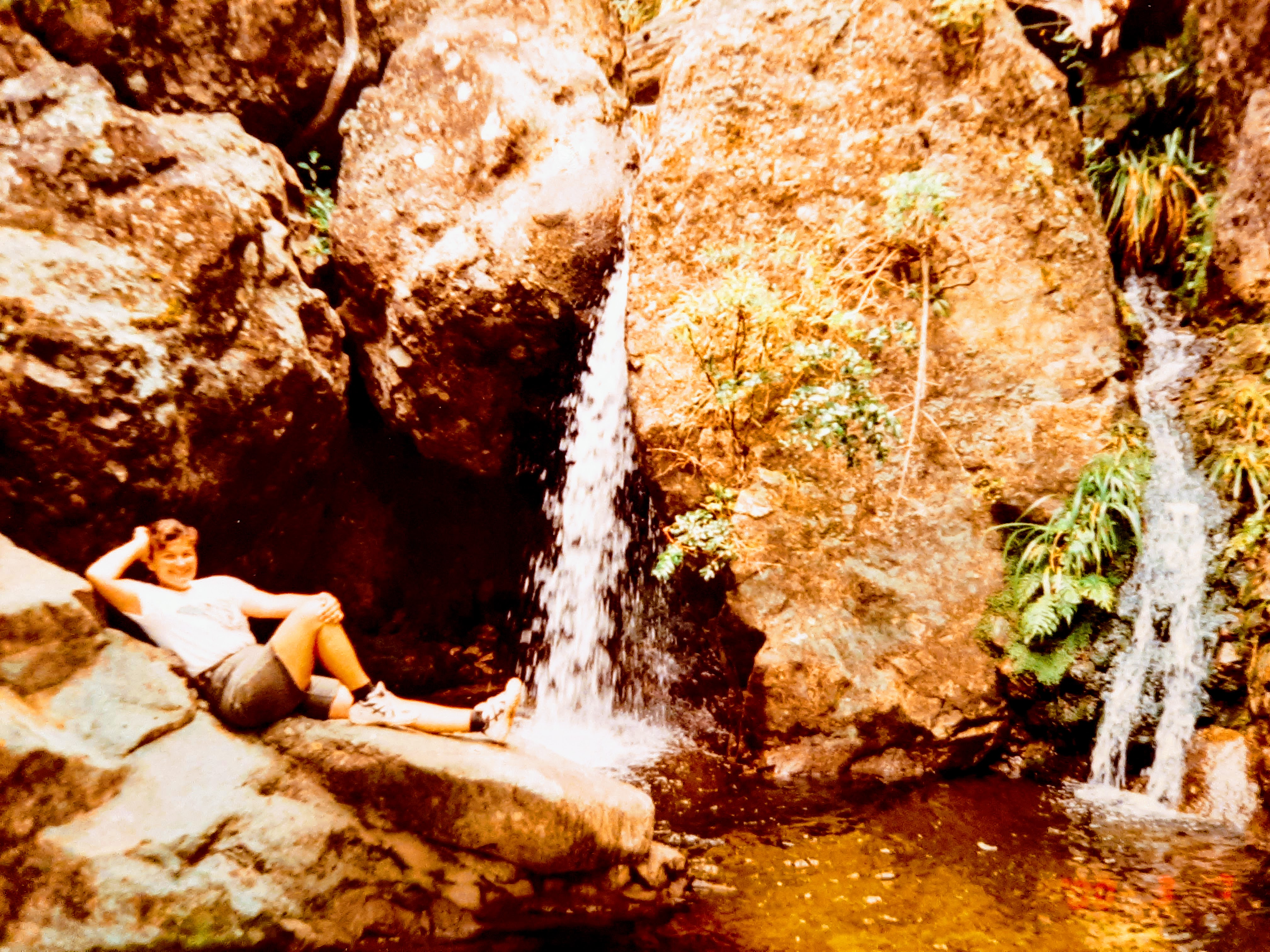
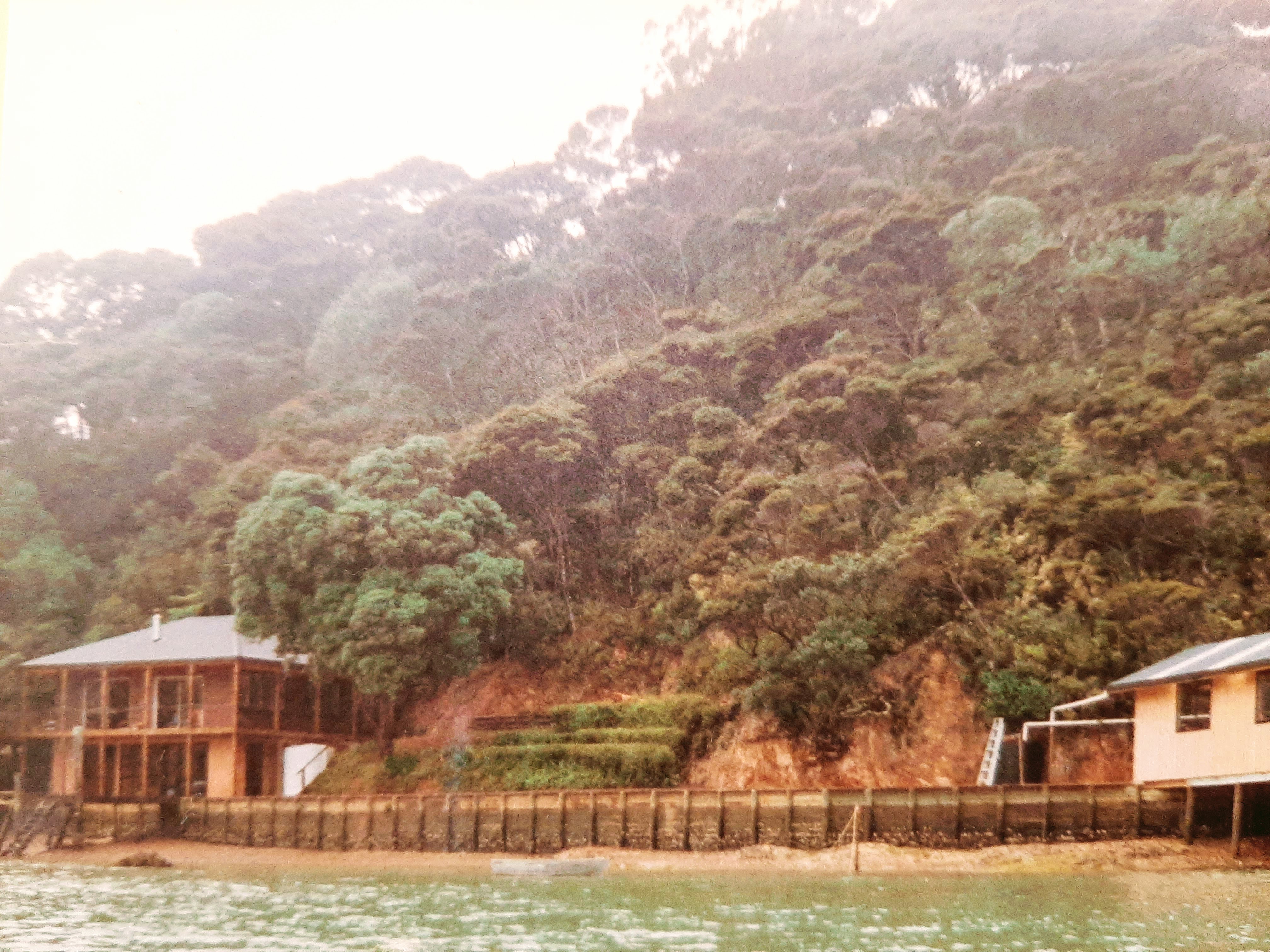
4. The Maori named Great Barrier Island Aotea, which translates to White Cloud, appropriate for the secluded cove we nestled in off Port Fitzroy Harbor. Above forest-clad mountain ranges, white clouds often formed on peaks during the afternoon. The diverse eco-system was a refuge for rare species of birds and lizards among spectacular bluffs, bush, beaches, and wetlands. Hiking was superb on this wilderness island. One day we followed Kaiaraara stream to a series of cascading falls. Deep pools invited a cool swim. A loud fantail followed our trek, gobbling up insects we disturbed. Also spotted was the iridescent green native wood pigeon. Pausing during our 5-hour hike for a rain shower in a tramping hut, we read guest book notes from hikers around the world. The trail ended at a kauri dam built by early Europeans who exploited the land for lumber and other resources.

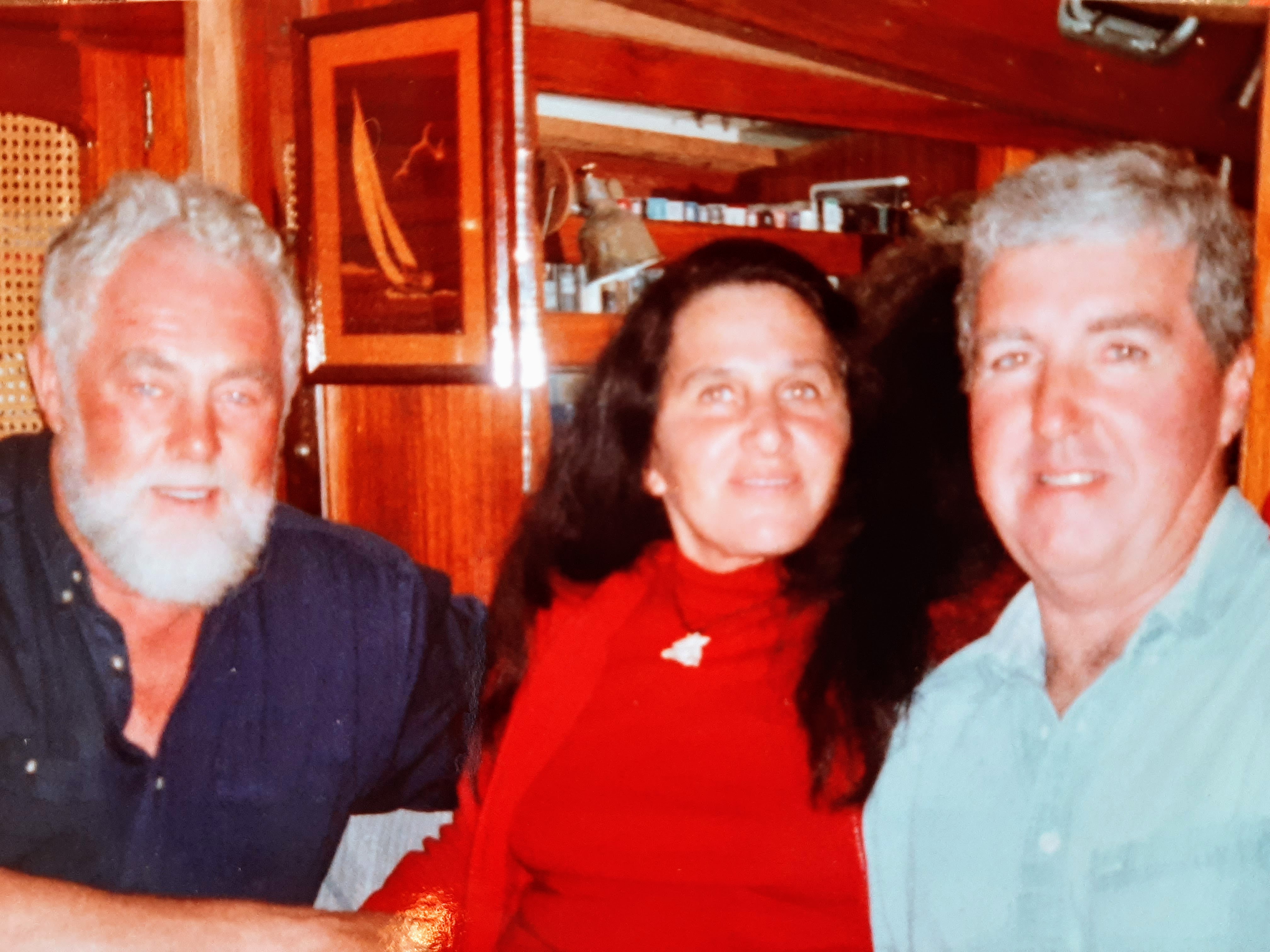
5. Special memories were made at North Cove on Kawau Island. During Russell’s Tall Ships race and dinner we had encountered cruising legend friends, Lin and Larry Pardey. We took them up on their invitation and anchored near their lovely home and large workshop for a week of celebrations and non-stop stories. A providential introduction to friend and editor of Sail Magazine led to my first published article.

Nearby Bon Accord Harbor offered a beautiful tramp to Mansion House with views of an old cement factory and copper mine ruins. Through brush we glimpsed darling wallabies and on the luxurious grounds peacocks strutted and chicken-sized brown wekas clucked accompanied by tuis, known for their mimicry and lively songs.

Of all the countries we’ve explored, I’d return to New Zealand in a heartbeat. It’s friendly folk, diverse natural beauty, and labyrinth of trails beckon both yachties and trampies. Here quiet paths and anchorages await every seeking soul.

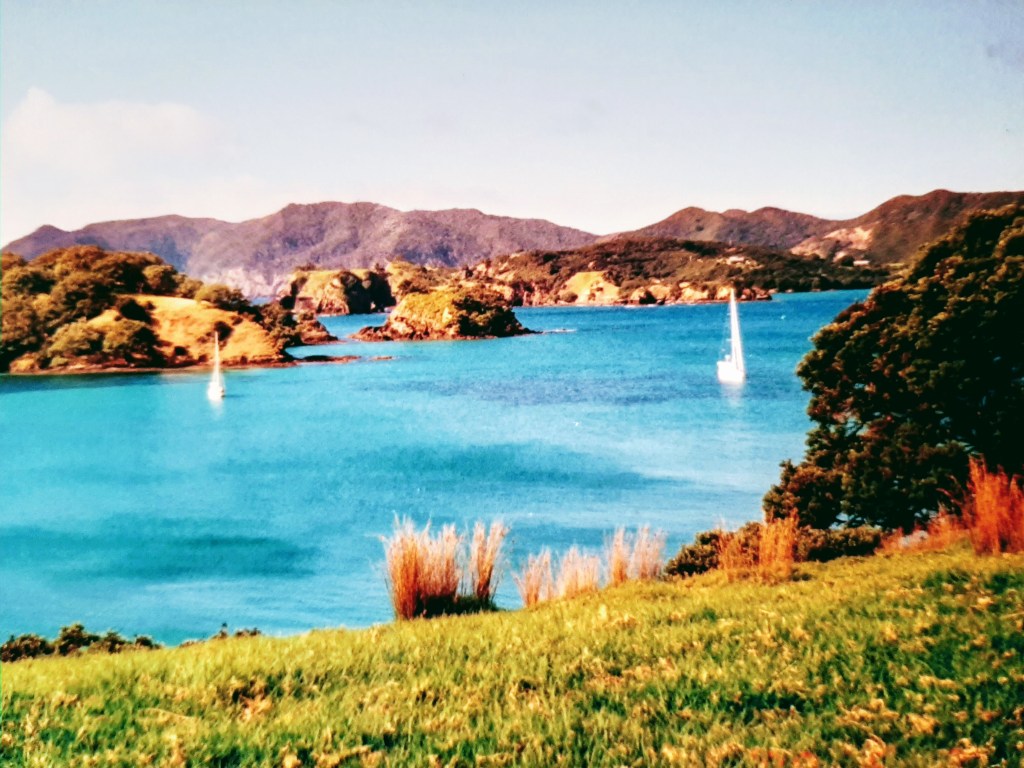
Rolling green hills on Urapukapuka Island held archeological tramps to several Maori sites.

He traveled light and often walked with no particular destination, because each inch of the path held answers and questions, the first step as rich as the last—from “John Muir, Nature’s Visionary “ by Gretel Ehrlich